Why Visual Merchandising Is More Than What Meets the Eye!
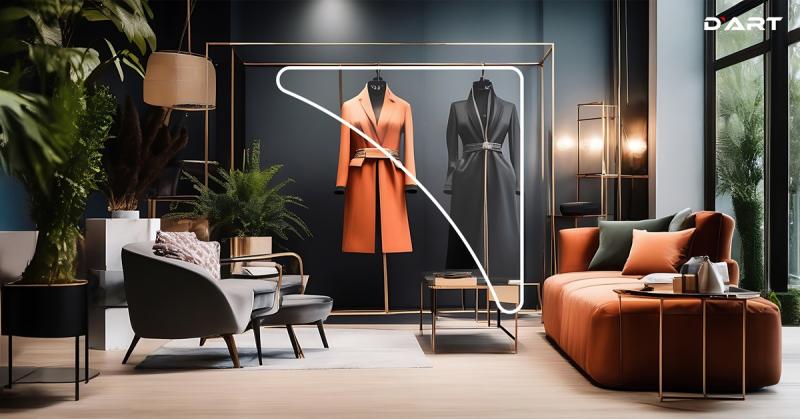
Whenever you walk into a well
designed and executed retail space, you will instantly get drawn to a unity of
colors, lighting, textures, and curated product arrangements. This first
impression, which generally is referred to as visual merchandising, is often
mistaken as purely aesthetic. But the main question that arises over here is
whether it is just about aesthetics or something far more strategic or
psychological is going on?
As the retail field undergoes
significant transformation, spaces are evolving into sensory experiences that
serve more than just point of sales. In this scenario, visual merchandising is
no longer about looking good or just ensuring functionality. Instead, it is
about guiding customers’ perception about the brand, influencing behavior, and
ultimately driving conversions.
The True Purpose of Visual
Merchandising
Retail visual merchandising is
basically one of the most significant tools for storytelling. It doesn’t just
make the store look good but also communicates brand identity, evokes emotion,
and influences customer decisions, that too without uttering a single word. A
well designed and executed display does more than showcasing products. Instead,
it creates an immersive journey that has a lasting impact.
Modern visual merchandising agencies that update themselves on a
regular basis adequately understand this shift. They integrate consumer
psychology, data analytics, and store design theory in order to go beyond
window dressing. As a result, they are able to trigger the mental and emotional
aspects that influence customers’ purchasing decisions and buying behavior.
Science Over Style: The
Psychology Behind the Practice
The concept of visual
merchandising deeply revolves around the science of human psychology and buying
behavior. Here are a few elements that you should consider when formulating
your VM strategies:
- Color
Psychology: Colors
are not chosen to match the season. Instead, they have a deep
psychological impact on the minds of human beings, further affecting their
buying decisions. This is exactly why a reputed visual merchandising
agency specifically guides its retail customers when selecting different
colours for their retail outlets.
- Eye Level Placement: Products at eye level
sell better. No, this is not accidental. Instead, it is a deliberate
tactic to align product visibility with consumer gaze patterns.
- Spatial Flow: The way a customer moves
through the store is influenced by its store layout design. Strategic
placements encourage lingering, impulse buys, or direct customers toward
high margin products.
- Lighting
Design: Lighting
not only highlights products but also manipulates the mood. Dim lighting
in luxury stores slows down the shopping pace, while bright lighting in
fast fashion speeds it up.
These techniques reflect a
layered and intelligent approach to consumer engagement—not mere visual appeal.
Data Driven Design: The Future of
Retail Visual Merchandising
With the rise of AI and retail
analytics, visual merchandising is entering a new era. Eye tracking heatmaps,
shopper dwell time metrics, and real time inventory data now inform design
choices. Smart displays even adjust content based on customer demographics or
time of day.
Retailers using these tools can
dynamically alter displays to respond to consumer behavior, optimize floor
plans for sales, and even predict future trends. It's a shift from reactive to
proactive merchandising—powered by insight, not instinct.
Conclusion: It's Not Just Window
Dressing
In a world where consumers are
bombarded with choices, retailers must move beyond passive aesthetics. Visual
merchandising, when executed with depth and strategy, becomes a powerful form
of non verbal communication—bridging the gap between product and purpose.
It's high time we stop viewing it
as just "what looks good" and start recognizing it for what it truly
is: a convergence of art, psychology, and commerce. So yes—visual merchandising
should absolutely be more than what meets the eye.
Also, in order to achieve this, brands can hire professional services and opt for a reputable retail advertising agency. These agencies align in store messaging with out of store promotions, ensuring consistency across platforms—digital, print, and physical space, further creating a seamless retail experience, from billboard to basket.


Post Your Ad Here
Comments