From Concrete to Smart Steel: How LGSF Is Changing the Way India Builds
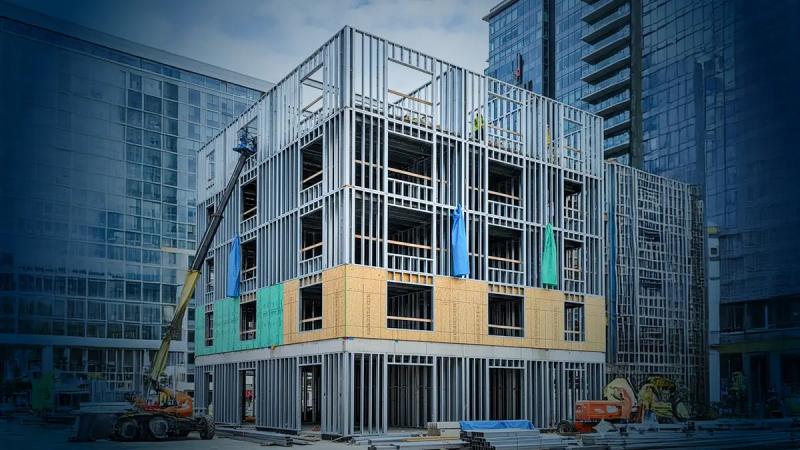
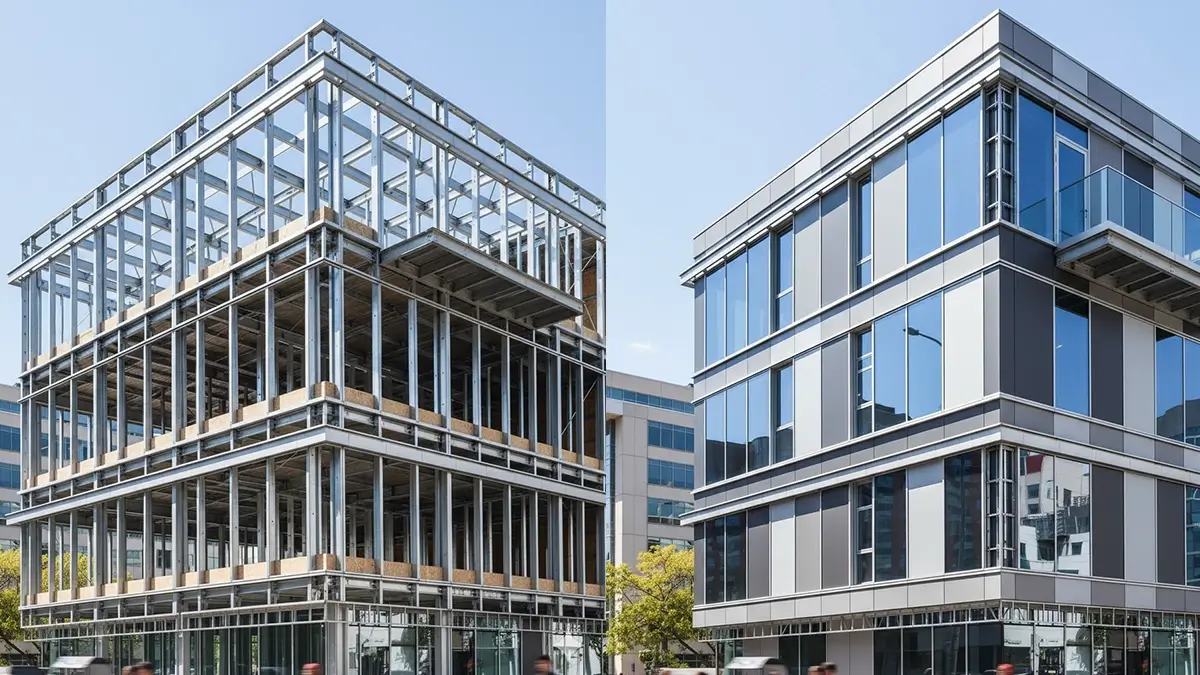
India is growing at a staggering pace. With cities expanding, new townships coming up, and demand for faster housing solutions increasing every year, the construction industry is under pressure to deliver buildings that are stronger, quicker to build, and more cost-efficient.
This is where Light Gauge Steel Framing (LGSF) has started changing the game. Although it has been widely used in many countries, LGSF is now gaining serious attention in India — and for good reason.
What Exactly Is LGSF? A Smarter Way to Build
LGSF (Light Gauge Steel Framing) is a construction method that uses thin, galvanized steel sections that are cold-formed into precise shapes like C-sections or U-sections. These metal frames become the backbone of the building — forming the walls, floors, and roof structure.
In simple terms, think of LGSF as a much stronger, more modern version of wooden framing, but with:
-
Greater accuracy
-
Lower weight
-
Higher strength
-
No issues like termites, mold, or shrinkage
With LGSF, most of the work happens in a factory:
steel coils go through roll-forming machines, parts are cut and punched according to the design, and ready-to-install components are delivered to the site.
This factory-made precision is one of the biggest reasons why LGSF buildings go up so quickly.
Why LGSF Is Becoming Popular for Multi-Storey Buildings in India
1. It Saves a Massive Amount of Time
LGSF suits India’s need for speed. While the foundation is being laid on-site, the steel components are fabricated in the factory at the same time.
Then, the frame is assembled quickly using screws and bolts — like installing a giant Meccano set.
Since there’s no curing time like concrete, the structure rises much faster.
For time-sensitive projects (residential blocks, hostels, schools, etc.), this can reduce overall construction timelines significantly.
2. Stronger Than It Looks
Despite being lightweight, LGSF has a very high strength-to-weight ratio. Buildings can go multi-storey without requiring heavy foundations.
Key advantages include:
-
Excellent earthquake resistance because the structure is light and flexible
-
Fire resistance since steel is non-combustible
-
Long life because galvanized steel resists corrosion
-
No termites or pests, unlike wood
This makes LGSF very suitable for India’s climate and seismic zones.
3. Freedom in Design
One underrated benefit of LGSF is design flexibility. Architects can create modern layouts, larger spans, and open spaces without worrying about heavy load-bearing walls everywhere.
It also integrates easily with cladding, drywalls, insulated panels, and many modern building materials — so the final look can be as contemporary or traditional as needed.
4. Predictable Costs and Less Waste
Since LGSF components are manufactured with machine-level accuracy:
-
Material waste is extremely low
-
Labour requirements are reduced
-
Foundations are smaller and cheaper
-
Budgets become more predictable
For developers, this reduces unexpected delays and hidden costs — something very common with traditional brick-and-mortar construction.
5. More Environmentally Friendly
LGSF is also appealing from a sustainability point of view:
-
Factory fabrication means less dust, noise, and waste on-site
-
Highly insulated LGSF walls help reduce cooling and heating costs
Given India’s rising focus on green construction, this is a major advantage.
How LGSF Is Already Changing Multi-Storey Construction
From student hostels and office buildings to housing blocks and training centers, LGSF is being used in more and more projects across India.
Imagine completing a multi-storey dormitory in a fraction of the time of conventional construction, or setting up an office complex with large open spaces that can be adapted as the business grows.
That’s the power of LGSF — speed without compromising safety or strength.
Why LGSF Fits India’s Future
India’s growth demands construction methods that can keep up with:
-
Rapid urbanization
-
Shorter project deadlines
-
Rising labour shortages
-
Climate challenges
-
The need for lighter, more energy-efficient buildings
LGSF offers a practical solution to all of these.
Final Thoughts
LGSF isn’t just a new material — it’s a new way of building. It brings together precision, speed, durability, and sustainability in a way that traditional methods struggle to match. As India continues to expand and modernize, systems like LGSF are likely to play a major role in shaping the cities of tomorrow.
The shift from concrete to smart steel has already begun — and it’s reshaping how India builds, one project at a time.

Post Your Ad Here
Comments