How Air Quality Inside Your Home Shapes Health, Comfort and Long Term Safety
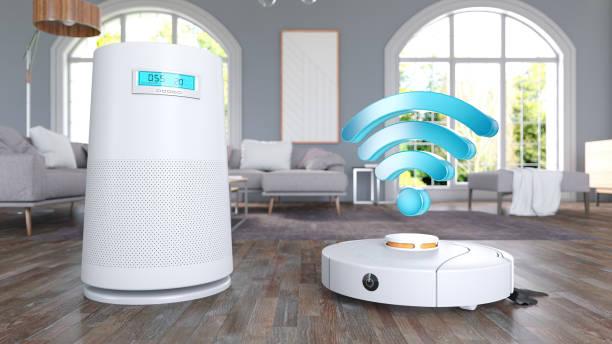
Most people think of air pollution as something that exists outdoors, coming from factories, traffic or industrial activities. Yet the air inside homes and buildings often carries more contaminants than the outside environment. Modern living spaces are built to be energy efficient which means they are also tightly sealed. While this improves temperature control, it reduces airflow and allows pollutants to accumulate indoors. Dust, chemicals, humidity and hidden mold colonies all influence the quality of the air you breathe every day. This is why Indoor Air QualityTesting has become an important part of maintaining a healthy living environment.
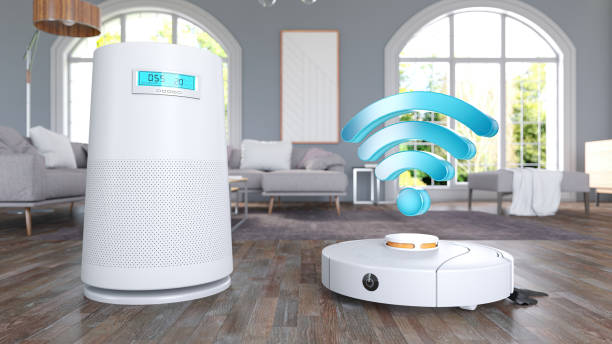
Indoor contamination does not always
appear suddenly. It builds up slowly, sometimes over months or years. Simple
activities such as cooking, cleaning and using personal care products release
small particles into the air. When these particles stay trapped inside, they
contribute to irritation, allergies or respiratory discomfort. Moisture also
plays a major role. If humidity levels stay high, mold begins to grow in hidden
areas such as behind walls, in attics, under sinks or inside HVAC systems.
Since mold spores spread through the air, identifying their presence requires
careful sampling and analysis. Professional indoor testing helps uncover what
the eyes cannot see.
Different mold species behave
differently. Some molds grow quickly in warm humid environments, while others
thrive in cooler damp spaces. Certain types release spores more aggressively
and spread throughout the home when disturbed even slightly. When professionals
test for mold types and concentrations, they collect air samples and compare
them with outdoor levels. This comparison helps determine whether mold growth
is natural and minimal or whether elevated indoor levels indicate a hidden
problem. Without proper testing it is difficult to know the extent of
contamination or whether it poses a risk to indoor air quality.
Another factor that affects indoor
air quality is ventilation. Homes that are tightly sealed for energy efficiency
often suffer from stagnant airflow. When air becomes stationary it allows
pollutants to settle into furniture, fabrics and ventilation ducts. Over time
even small amounts of mold or dust can accumulate and start affecting the
comfort of people living inside. Testing the air helps determine whether
ventilation adjustments or improvements are needed. Sometimes the issue can be
resolved by increasing airflow, while in other cases deeper cleaning or
moisture management becomes necessary.
Air quality problems are not limited
to mold. Indoor air often contains a mixture of pollen, volatile organic
compounds, bacteria, fibers, pet dander and even residue from cleaning
supplies. Many of these elements are too small to see. A property may appear
clean yet still contain airborne particles that irritate sensitive individuals.
Professional testing reveals the exact composition of the indoor atmosphere so
homeowners can decide which corrective steps are necessary.
Another area where Indoor Air Quality Testing becomes important is in newly renovated homes or offices.
Construction materials, paints and adhesives release chemicals that linger long
after the project is completed. These emissions can be mild or strong depending
on the type of products used. If people experience headaches, fatigue or
irritation in recently renovated spaces, air quality may be the cause. Testing
helps identify whether chemical residue or particulate matter is contributing
to the discomfort.
HVAC systems are common sources of
hidden air quality issues. When dust builds up inside ducts, it circulates
repeatedly through the home. If moisture enters the system, mold can grow
inside the ductwork. This spreads spores throughout the entire building every
time the system operates. Regular inspection and cleaning of HVAC components
along with air testing allow homeowners to maintain a healthier indoor
atmosphere. It is especially important for families with young children,
seniors or individuals with allergies or asthma.
In many properties the biggest
challenge is that indoor air problems rarely appear in obvious ways. A home may
smell normal and look clean yet still contain high concentrations of mold spores
or other contaminants. Professional testing provides accurate measurements
rather than assumptions. It offers a clear picture of what is happening inside
the air you breathe daily. Once the results are available, professionals can
recommend solutions which may include moisture control, improved ventilation,
deep cleaning, mold remediation or simple lifestyle adjustments.
Air quality also affects long term
property health. Moisture, mold and airborne particles settle into building
materials and shorten their lifespan. Carpets wear out faster, paint peels
sooner and wooden structures weaken more quickly in unhealthy air conditions.
Testing and addressing indoor air problems not only protect people but also
preserve the overall structure of the home.
Creating a healthier indoor space
begins with understanding what is present in the air. Accurate testing provides
that understanding. With the right information homeowners can take steps to
protect their families, improve comfort and reduce long term maintenance
issues. Clean air supports better sleep, fewer allergies and a more pleasant
living environment. When the air is healthy the entire home feels healthier.

Comments