Nematicides Industry Outlook: Growth Fueled by Soil Health Innovations
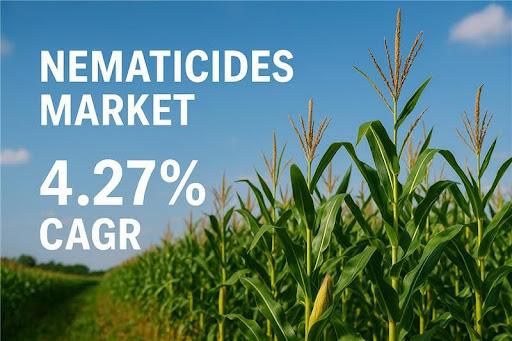
The global Nematicides Market continues to gain importance as agricultural producers worldwide confront rising threats from destructive nematodes that damage roots, reduce yields, and compromise overall crop health. According to recent estimates, The Nematicides Market Size was valued at USD 1.90 Billion in 2023 and is expected to reach USD 2.77 Billion by 2032, growing at a CAGR of 4.27% over the forecast period of 2024-2032. This steady growth reflects a broader agricultural trend toward sustainable and high-efficiency crop protection solutions, particularly as growers face increased pressure to meet food demand, boost soil health, and enhance productivity per hectare.
The Nematicides Market is seeing a significant shift toward more advanced, safer, and eco-friendly formulations. Traditional chemical nematicides are gradually being supplemented or replaced by biological products, driven by sustainability goals, stricter environmental regulations, and the need for long-term soil fertility. This shift is pushing manufacturers to invest in R&D for next-generation nematicides that offer superior efficacy while minimizing ecological impact. Farmers, particularly in regions with heavy horticulture and high-value crop output, are increasingly turning to these modern solutions to protect crop quality and reduce economic losses associated with nematode damage.
Market Drivers Fueling Expansion
One of the primary drivers of growth is the increasing global awareness of the economic burden caused by plant-parasitic nematodes. These microscopic pests can reduce crop yields by up to 20–40% in severely affected fields, resulting in billions of dollars in losses annually. This economic strain has encouraged farmers to adopt nematicides as a preventive as well as curative solution. Additionally, expanding commercial agriculture and the rising cultivation of high-value crops such as fruits, vegetables, spices, and ornamental plants are creating stronger demand for targeted nematode management products. These crops are particularly vulnerable to soil-borne nematodes, and even minor infestations can severely affect marketable quality.
Increasing concerns about soil health degradation have also led to the introduction of biologically derived nematicides, which offer effective control while supporting the long-term sustainability of farming systems. Governments and agricultural agencies across several countries are encouraging the use of biological nematicides by offering subsidies, awareness programs, and approvals for low-toxicity formulations. Growing adoption of precision agriculture is another critical driver, enabling farmers to detect nematode infestation patterns more accurately and use nematicides more efficiently. Rising food demand, rapid population growth, and shrinking agricultural land are further reinforcing the need for dependable crop protection solutions, ensuring that the market maintains a consistent growth trajectory throughout the forecast period.
Future Outlook
The future outlook for the Nematicides Market remains highly promising, particularly as the agricultural sector transitions toward integrated pest and disease management systems. With climate change altering pest behavior and increasing the spread of nematode species across new regions, farmers will require more advanced products to protect soil productivity. This trend is likely to accelerate the adoption of bio-based nematicides as well as combination products that work synergistically with fertilizers, soil amendments, and microbial agents.
The industry is expected to witness continued investment in formulation improvements, such as controlled-release technologies, microbial consortia, and residue-free contact nematicides. As regulatory frameworks tighten around chemical pesticide usage, demand for low-toxicity alternatives will grow. Furthermore, digital agriculture tools such as soil mapping, remote sensing, and AI-driven root-zone analysis will support smarter application of nematicides, increasing efficiency and reducing product wastage. Manufacturers that focus on innovation, safe chemistry, and sustainable solutions are likely to gain a competitive edge as market preferences evolve.
Conclusion
The Nematicides Market is set for steady and meaningful expansion driven by increasing agricultural productivity requirements, heightened awareness of nematode-related crop losses, and the shift toward sustainable pest management. With the market projected to reach USD 2.77 Billion by 2032, the industry is entering a phase of innovation characterized by eco-friendly formulations and advanced application technologies. The gradual move toward biological solutions, along with rising investment from major agrochemical companies, is expected to redefine how farmers protect their crops from soil-borne pests. As global food demand rises and agricultural conditions become more challenging, nematicides will remain an essential component of modern crop protection strategies, ensuring healthier soils, stronger yields, and improved profitability for growers worldwide.
FAQs
- What is the CAGR of the Nematicides Market?
The Nematicides Market is growing at a CAGR of 4.27% during the forecast period of 2024-2032. - What is the forecast value of the Nematicides Market by 2032?
The market is expected to reach USD 2.77 Billion by 2032. - Which region shows strong growth potential?
Regions with intensive horticulture and high-value crop production show the strongest growth potential due to increased focus on soil health and pest management.

Comments