In an increasingly digital and competitive environment, organizations rely heavily on services for IT and advanced business IT services to maintain operational efficiency, strengthen cybersecurity, and support long-term growth. As modern enterprises expand their digital ecosystems, the need for reliable, scalable, and expertly managed technology solutions becomes more crucial than ever. High-quality IT services empower businesses to streamline processes, optimize system performance, and build a secure technological foundation capable of supporting evolving demands. This comprehensive article explores the full spectrum of these essential services and emphasizes how they elevate business operations in a transformative digital climate.
The Strategic Value of Services for IT in Modern Businesses
Professional services for IT include a wide range of solutions designed to maintain, monitor, and support every aspect of an organization’s technological environment. These services extend beyond simple support and aim to create integrated, high-performing digital infrastructures that drive productivity and reduce operational challenges. From network optimization to system management, IT services ensure that businesses leverage technology in the most efficient and secure manner possible.
Modern enterprises depend on technology not just as a tool but as a backbone of daily operations. Whether enabling communication, storing data, running applications, or connecting customers, strong IT services create the stability necessary for seamless workflows. By partnering with trusted experts, organizations gain the assurance that their infrastructures are protected, optimized, and future-ready.
Why Business IT Services Are Essential for Growth and Continuity
High-performance business IT services offer strategic support tailored to an organization’s operational environment, industry requirements, and long-term objectives. These services ensure that technology functions as an enabler of growth rather than an obstacle. Well-structured IT solutions are crucial for strengthening business continuity, maintaining uptime, and enabling smarter, data-driven decision-making.
Businesses face challenges such as cyber threats, system failures, and increasing digital complexity. With professional support, companies receive proactive monitoring, rapid issue resolution, and ongoing optimization that minimize disruptions. Every component—from software applications to business-critical servers—is managed with precision and expertise, paving the way for stable and sustainable growth.
Core Components of Professional Services for IT
1. Network Infrastructure Management
A strong and secure network is essential for consistent business operations. Expert services for IT include network monitoring, bandwidth management, troubleshooting, and optimization to ensure reliable connectivity. These solutions enable smooth communication, efficient data transfers, and secure access across the entire organization.
2. Cybersecurity and Threat Prevention
Every business—regardless of size or industry—faces increasing cybersecurity risks. IT service providers deploy multi-layered protection strategies including firewalls, endpoint security, encryption, and real-time threat detection. With continuous monitoring and advanced cybersecurity frameworks, companies remain protected from malware, phishing attacks, ransomware, and unauthorized access attempts.
3. Data Backup and Disaster Recovery
Reliable data protection is a cornerstone of modern business operations. With professional data backup solutions, organizations ensure automatic, secure, and compliant storage of valuable information. Disaster recovery planning ensures that operations resume quickly in the event of unexpected system failures, natural disasters, or cyber incidents. These strategic measures safeguard business continuity and mitigate costly disruptions.
4. IT Consulting and Strategic Planning
Effective business IT services go beyond technical support and include strategic consulting that aligns technology with organizational goals. IT experts assess current infrastructures, recommend improvements, and design technology roadmaps for future expansion. This ensures that every investment supports productivity, scalability, and long-term success.
5. Cloud Services and Virtualization
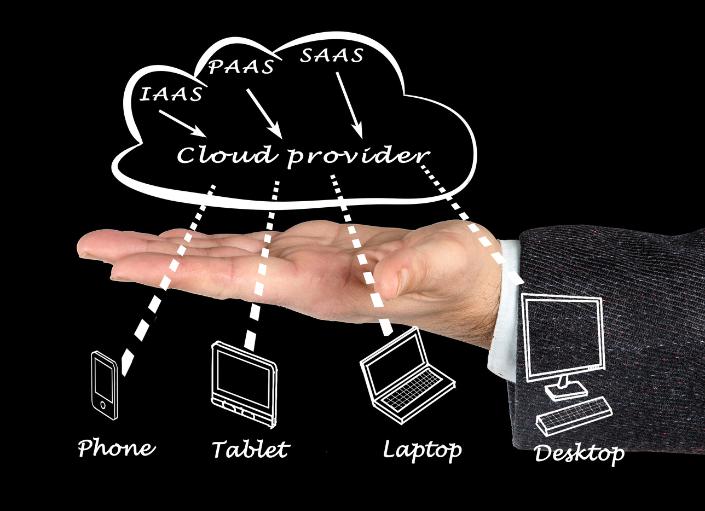
Cloud adoption continues to transform the way businesses store data, run applications, and support remote workforces. Professional IT services include cloud configuration, migration, management, and optimization. Virtualized systems reduce hardware costs, enhance flexibility, and allow businesses to scale effortlessly based on demand.
6. Help Desk and End-User Support
Help desk services provide timely and reliable assistance to employees facing technical issues. Whether dealing with login errors, software glitches, or device malfunctions, end-user support ensures minimal downtime and improved productivity. Fast resolution times contribute to smoother operations across all departments.
Key Benefits of Implementing Business IT Services
Enhanced Productivity and Performance
Optimized IT environments eliminate disruptions that hinder workflow. With professional oversight, systems operate more smoothly, applications run efficiently, and employees experience fewer interruptions. This enhanced stability fosters increased productivity and ensures that teams remain focused on mission-critical tasks.
Cost Efficiency and Predictable Spending
Outsourcing business IT services eliminates the need for in-house technical teams and reduces unexpected repair costs. Through structured service plans, organizations gain predictable monthly expenses, access to specialized expertise, and cost-effective management of all IT resources.
Stronger Security and Regulatory Compliance
Industries handling sensitive data must adhere to strict compliance requirements. Professional IT services integrate advanced security measures, documentation practices, and compliance protocols that protect organizations from legal and financial risks. This comprehensive protection strengthens customer trust and preserves organizational integrity.
Scalable Solutions for Business Growth
As companies expand, their technology requirements evolve rapidly. Managed and scalable IT services enable seamless integration of new devices, applications, and systems without performance degradation. Businesses can scale up or down effortlessly, ensuring long-term flexibility and operational consistency.
Competitive Advantage Through Innovation
Organizations equipped with strong IT services can adopt new technologies faster, respond more effectively to market changes, and deliver superior customer experiences. This ability to innovate becomes a powerful competitive advantage, enabling businesses to stay ahead in dynamic markets.
How Services for IT Support Digital Transformation
Digital transformation requires strong IT foundations capable of supporting cloud integration, automation, artificial intelligence adoption, and data-driven processes. Professional IT providers design solutions that help businesses transition smoothly into modern digital environments. By implementing best practices and future-ready technologies, organizations accelerate innovation and enhance efficiency across every department.
Aligning Business Strategy with IT Excellence
Modern organizations must view technology as a strategic asset rather than a mere operational necessity. When services for IT and business IT services are aligned with organizational goals, businesses achieve better performance, improved decision-making, and greater resilience. Strategic alignment ensures that every technological investment contributes to long-term success.
Conclusion
High-quality services for IT and comprehensive business IT services form the foundation of strong, secure, and future-ready organizations. Through advanced support, strategic planning, cybersecurity protection, and continuous optimization, these services empower businesses to operate efficiently and confidently in an increasingly digital landscape. Robust IT solutions drive performance, strengthen security, and support sustainable growth—enabling companies to achieve their full potential in a competitive market.


Comments