Why Winter is the Best Time for the Kedarkantha Trek: Snow Trails & Scenic Views
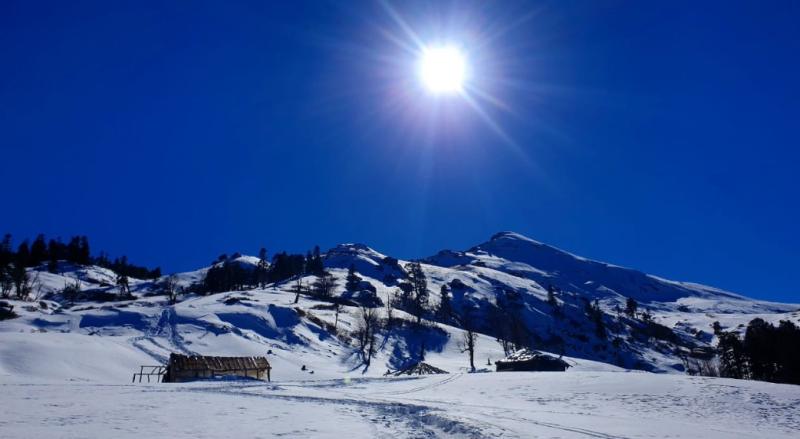
The Kedarkantha trek is one of the most popular winter treks in India, especially among people who want to enjoy snow and calm mountain views. Located in the Uttarkashi district of Uttarakhand, this trek offers a perfect mix of adventure and natural beauty. Many trekkers, from beginners to experts, choose the Kedarkantha trail because it is easy to moderate in difficulty and gives a complete Himalayan winter experience.
During winter, the entire route turns into a white wonderland. Snow covers the forests, meadows, campsites, and the summit path. The silent, fresh, and peaceful environment makes the trek feel magical. This is why winter is considered the best time for the Kedarkantha trek. In this article, you will learn why winter enhances the beauty of this trek and what makes the experience unforgettable.
About the Kedarkantha Trek
The Kedarkantha trek reaches a maximum height of about 12,500 feet, making it a great choice for beginners who want to try a high-altitude winter trek. The total distance is around 20 km, which is usually completed in 4 to 6 days. The trek route passes through dense forests of pine and oak, wide open meadows, mountain villages, a frozen lake, and finally the stunning Kedarkantha summit.
The trek is famous for its panoramic views of many Himalayan peaks such as:
-
Mt. Swargarohini
-
Mt. Bandarpoonch
-
Black Peak
-
Ranglana Range
-
Yamunotri Range
One of the most memorable parts of the journey is camping at Juda Ka Talab, a beautiful lake that freezes completely in winter. Trekkers often say that waking up near this frozen lake surrounded by tall trees is a magical moment they never forget.
Why Winter is the Best Time for Kedarkantha Trek
1. Beautiful Snow Trails Everywhere
The biggest reason winter is the best season for the Kedarkantha trek is the abundance of snow. From December to February, the entire trail is covered in thick white snow. Walking through soft snow, stepping between snow-laden pine trees, and seeing snowflakes rising with the wind create a true winter wonderland.
The forests look especially beautiful in winter. Pine and oak trees hold thin layers of snow on their branches, making the trail look like a scene from a movie. Many trekkers even prefer the Kedarkantha trek over other winter treks because of these clean and safe snow trails.
2. Clear Himalayan Views in Winter
Winter is the best time for clear mountain views. The cold, dry winter air makes the sky bright and clouds stay away most of the time. This gives trekkers crystal-clear views of snow peaks from almost every point on the trail.
From the summit, the sunrise is the main highlight. As the sun rises, the snowy peaks turn golden. Peaks like Swargarohini, Bandarpoonch, and Black Peak shine with a warm golden glow. Many trekkers say this moment feels spiritual and worth every step of the climb.
3. Perfect for Beginners Who Want a Snow Trek
The Kedarkantha trek is often recommended as the best beginner-friendly winter trek in India. Even though you walk on snow, the trail is safe and manageable with the right guidance. Because the trek is graded easy to moderate, it is ideal for:
-
First-time trekkers
-
Groups of friends
-
College students
-
Families
-
Solo travelers
Winter adds excitement but does not make the trail too hard. Guides help you use microspikes and gaiters, making the walk on snow comfortable. This makes Kedarkantha a great choice for anyone wanting to start their trekking journey in winter.
4. Juda Ka Talab: A Magical Frozen Lake
One of the biggest attractions during winter is Juda Ka Talab, a beautiful lake that freezes completely. The frozen surface shines under the winter sun, and tall trees around it create a peaceful atmosphere. This campsite feels secluded, quiet, and very calming.
Trekkers enjoy relaxing here, taking photos, and feeling the pure winter charm. Camping near a frozen lake is rare in Indian treks, and this makes Kedarkantha stand out.
5. Winter Camps Feel Like Snow Villages
Every campsite on this trek becomes a small snow village in winter. Tents are lined up on thick layers of snow, and warm lights glow in the evening as trekkers gather for food and stories. The entire experience feels cozy and joyful.
At night, the sky becomes incredibly clear. The stars shine brighter than usual, and on some nights, you can clearly see the Milky Way. Many trekkers say that stargazing during winter camping at Kedarkantha is a life-changing moment.
6. The Summit Climb is More Rewarding in Winter
The final climb to the Kedarkantha summit usually starts very early in the morning, around 3 AM or 4 AM. Winter makes this climb even more special. Walking on sparkling snow under the stars, with your headlamp lighting the trail, creates a magical experience.
As you reach the top just before sunrise, the cold wind and the silence make the moment unforgettable. When the sun rises and turns the mountains golden, all the tiredness disappears. This is why many trekkers say the summit view in winter is the best part of the entire trek.
7. Winter Brings Peace and Less Noise
Even though Kedarkantha is a popular trek, winter somehow keeps the trail peaceful. The snow absorbs sound, making everything quiet. Only the crunching of snow under your shoes and the wind moving through the pine forests can be heard.
This peaceful atmosphere helps you connect with nature. Many trekkers say winter Kedarkantha feels more like a spiritual journey than just a trek.
Weather Conditions: What to Expect in Winter
Understanding winter weather helps you prepare better. During December, January, and February, the temperature can drop to -5°C to -10°C at night. During the day, temperatures stay between 0°C to 5°C.
Winter weather is cold but manageable with proper clothing:
-
Thermal inner layers
-
Fleece jacket
-
Heavy padded jacket
-
Waterproof gloves
-
Woolen socks
-
Trekking shoes
-
Cap and muffler
You also need to carry sunglasses because snow reflects sunlight strongly during the day.
Difficulty Level in Winter
The Kedarkantha trek is easy to moderate even in winter, but snow adds a bit of challenge. You may walk slower because snow can be soft or slippery. Guides usually provide equipment like:
-
Microspikes
-
Gaiters
-
Trekking poles
These help you walk safely. For beginners, winter Kedarkantha is an ideal introduction to snow trekking and high-altitude hiking.
Who Should Choose the Winter Kedarkantha Trek?
Winter Kedarkantha is perfect for:
-
Beginners who want to try their first snow trek
-
Experienced trekkers who love winter landscapes
-
People who want clear mountain views
-
Those looking for a short Himalayan adventure
-
Travelers who want a peaceful and scenic experience
If you enjoy snow, forests, and calm views, this trek will suit you perfectly.
Best Months for the Winter Trek
The best winter months for Kedarkantha are:
December
Fresh snow begins to fall. Forests and campsites become covered in snow. Perfect for people who want a full winter feel.
January
The coldest but most beautiful month. Heavy snow everywhere. Stunning sunrise views and clean white landscapes.
February
Snow remains on the trail but the weather becomes a little warmer. Ideal for trekkers who want snow but prefer not-so-harsh cold.
Essential Tips for a Safe Winter Trek
-
Stay hydrated even in cold weather.
-
Walk slowly and steadily on snow.
-
Follow your guide’s instructions for safety.
-
Wear proper layers to avoid cold-related issues.
-
Carry energy snacks like dry fruits and chocolates.
-
Keep your phone warm to protect battery life.
-
Use sunscreen and sunglasses to avoid snow blindness.
Why Kedarkantha Stands Out Among Winter Treks
There are many winter treks in India, but Kedarkantha remains one of the top choices. Here’s why:
-
Easy to moderate difficulty
-
One of the best summit views in Uttarakhand
-
Beautiful dense forests covered in snow
-
Frozen lake campsite at Juda Ka Talab
-
Short itinerary, easy for beginners
-
Great support system with guides and porters
-
Safe and well-marked trail
It is the perfect combination of adventure and beauty.
Conclusion
Winter is truly the best time to do the Kedarkantha trek. The snow-covered trails, tall pine forests, frozen lake, quiet campsites, and golden sunrise from the summit make the experience unforgettable. Whether you are a beginner or an experienced trekker, Kedarkantha in winter offers a perfect blend of moderate adventure and breathtaking Himalayan scenery.
The trek stands out for its clear views, simple trail, and peaceful winter charm. If you want to witness the magic of the Himalayas in their full winter glory, the Kedarkantha trek should be at the top of your list.
Post Your Ad Here
Comments