Why Metal Frames Break and How Pros Fix Them?
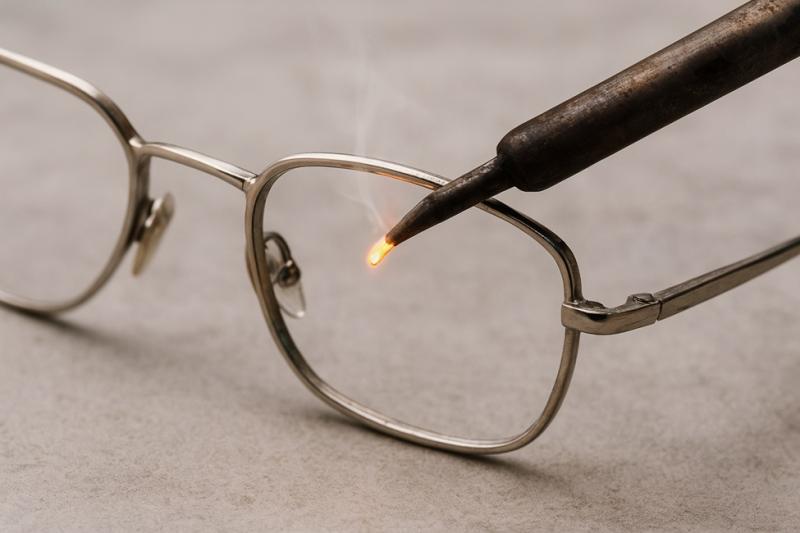
Metal eyewear has been a popular
choice for decades because it offers a sleek look, lightweight comfort, and
long-lasting durability. However, metal frames are not invincible. They bend,
weaken, and break under pressure, and they often fail at the most inconvenient
time. Many people wonder why this happens and how professional technicians
restore these frames to working condition. Modern techniques, such as eyeglass frame repair soldering, allow experts to bring damaged metal frames back to
life with precision. Understanding why frames fail and how professionals fix
them can help customers make responsible choices about maintenance, care, and
repair.
Understanding the Structure of Metal Eyewear Frames
Metal frames are not made from a
single material. The eyewear industry uses several alloys to balance strength,
flexibility, and comfort. Common materials include stainless steel, titanium,
aluminum, nickel silver, and memory metals. Each material has its own pros and
cons.
A stainless-steel frame may feel
sturdy, but it can become stiff at pressure points. A titanium frame offers
exceptional lightness and durability, yet it can snap if twisted repeatedly.
Nickel-based metals allow fine detailing, although they are more vulnerable to
stress from repeated bending or accidental impact. Understanding these
differences reveals why frames break in different ways and how experts must
approach each repair with a tailored strategy.
The design of a frame also
influences durability. Thin temples, delicate bridges, and small hinges provide
flexibility and a refined look, but they also create more stress points. Any
area that supports movement or carries weight is more likely to fail over time.
Common Reasons Metal Frames Break
Stress Fatigue from Daily Use
Every day wear introduces
constant pressure on metal frames. Opening and closing the temples generates
stress on the hinges. Taking eyewear on and off several times a day gradually
weakens joints. Repeated micro-bending, even when unintentional, contributes to
metal fatigue. Over time, the affected areas weaken and eventually crack.
Accidental Impact and Pressure
Many breaks occur because of
unexpected accidents. Sitting on a pair of glasses, dropping them on a hard
surface, or crushing them inside a bag can bend or snap the frame. Metal may
look rigid, but even small impacts can weaken thin sections or misalign the
geometry of the eyewear.
Corrosion From Sweat and Moisture
Skin oils, sweat, and
environmental humidity slowly wear down metal surfaces. Certain alloys corrode
faster than others. When corrosion creeps into hinges or joints, the metal
becomes brittle. Continuous wear while exercising, exposure to salty air, or improper
cleaning contribute to faster deterioration.
Over-adjusting the Frame
Some customers try to adjust
their eyewear at home without proper tools. Pulling the temples outward,
twisting the nose bridge, or bending the frame to improve comfort often causes
unintended damage. Metals bend only to a limited degree before they weaken
internally. A minor bend may seem harmless, but it increases the risk of future
breakage.
Manufacturing Weaknesses
While most reputable brands
produce high-quality eyewear, not all frames are created equal. Thin welds,
improperly aligned hinges, or low-quality materials sometimes lead to premature
failure. Even a minor manufacturing defect becomes more pronounced over the
years of use.
Areas Where Metal Frames Commonly Break
The Hinge Area
Hinges endure constant motion.
They open and close hundreds of times each month. The screws loosen over time,
the joint becomes misaligned, and the metal eventually weakens. Most
metal-frame repairs involve hinge issues because this area experiences continual
strain.
The Nose Bridge
The bridge supports the entire
weight of the eyewear. A strong impact or repeated flexing can crack thin metal
in the middle. Once a bridge begins to weaken, the crack spreads quickly
because the center of a frame absorbs pressure from every direction.
The Temples
The temples are long and narrow,
which makes them vulnerable to bending and twisting. Someone may accidentally
sit on the frame or remove it too quickly, causing the temples to bend out of
shape. Frequent bending eventually leads to a clean break.
The Rim Around the Lenses
Many frames use very thin metal
to hold lenses securely. If metal fatigue or corrosion develops, the rim can
break near the screw or along the curve. Even a slight crack can cause the lens
to become loose.
How Professional Technicians Restore Broken Metal Frames?
Repairing metal eyewear requires
a combination of skill, specialized tools, and knowledge of different metals.
Professional repair shops have years of experience working with delicate
frames, and they understand how to fix them without damaging lenses or creating
new weak points.
Precision Alignment Before Any Repair
The first step is always
assessment. A technician studies the break, checks the frame geometry, and
identifies all areas affected by the damage. If the frame is bent, the expert
realigns it before welding or bonding. Repairing a misaligned frame without proper
adjustment may solve the immediate break, but will create long-term problems.
Specialized Welding Methods
Professionals use high-precision
welding systems that generate a controlled amount of heat. Too much heat can
discolor the metal or distort thin frame sections. Expert welders understand
how to target only the cracked area, leaving the rest of the frame unharmed.
Laser welding is one of the most
advanced techniques used today. It creates a strong, clean bond without adding
bulk. Experts choose the correct filler material that matches the original
metal to ensure a durable weld.
Micro-Soldering for Thin or Delicate Areas
Some frames require delicate
soldering techniques that involve extremely thin welding tips and precise
temperature control. This method is ideal for eyewear with intricate designs,
very thin rims, or decorative elements. When performed correctly, the repaired
area blends with the original metal and maintains structural strength.
Strengthening the Repaired Area
After welding or soldering, the
technician may reinforce the repair to prevent a future break. This may involve
adding filler metal, smoothing the repaired area, or applying a protective
finish. Proper reinforcement ensures long-term durability.
Final Finishing and Polishing
A professional repair is not
complete until the frame looks clean and polished. Technicians buff out rough
edges, blend the finish, and align the entire frame so that it feels
comfortable and balanced. A high-quality repair should restore both strength and
appearance.
When Is a Repair Better Than Replacement?
Many customers assume a broken
frame cannot be fixed. In reality, skilled technicians can repair most metal
breaks unless the material is extremely brittle or the damage is too extensive.
Repair is often faster and more affordable than buying new eyewear, especially
when the frame is from a luxury brand, a discontinued model, or a sentimental
pair.
Repair also supports
sustainability. Restoring a frame reduces waste, lowers environmental impact,
and keeps a trusted pair of glasses in service for years.
Eyeglass Repair USA: Experts in Nationwide Metal Frame Restoration
Eyeglass Repair USA has earned a
strong reputation for restoring damaged eyewear with high precision and
excellent craftsmanship. The company serves customers nationwide and handles
all types of metal frame issues, including broken hinges, cracked bridges,
warped temples, and damaged rims. Their team uses advanced repair methods and
professional equipment to restore strength, comfort, and alignment. Many
customers rely on their services when other shops cannot fix complex breaks.
Eyeglass Repair USA focuses on quality, careful handling, and dependable
results.
Final Thoughts
Metal eyewear frames combine
elegance and durability, but they still endure stress from daily wear,
accidental impact, corrosion, and natural fatigue. No frame lasts forever
without proper care. When damage occurs, professional technicians use precise
tools, advanced welding techniques, and careful alignment methods to restore
frames to their original strength. Expert repair extends the life of eyewear,
reduces waste, and saves customers from expensive replacements. Understanding
how professionals fix metal frames creates confidence in the repair process and
encourages customers to choose skilled services when their frames break.
Post Your Ad Here
Comments