Workshops Metal Buildings: A Complete UK Guide to Modern Metal Workshop Structures
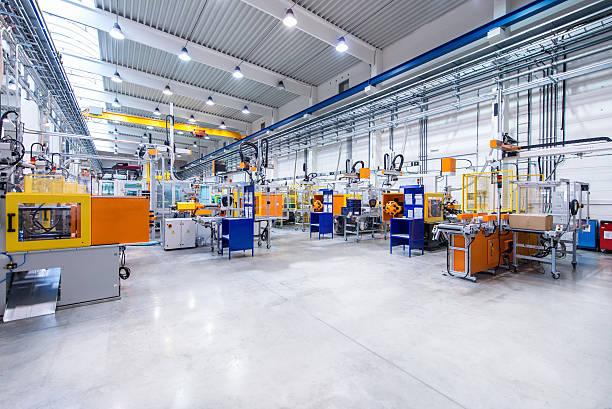
Workshops metal buildings have become an increasingly popular choice across the United Kingdom for anyone seeking a resilient, affordable and highly customisable workspace. Whether you are a hobbyist looking for a place to work on personal projects, a farmer in need of a dependable building for machinery, or a business owner requiring a professional unit for engineering or manufacturing, workshops metal buildings provide a long-lasting solution suited to virtually any environment.
Thanks to their durability, quick assembly, weather resistance and flexible design choices, metal buildings have overtaken wooden sheds and masonry-built structures as the go-to option for modern workshops. This in-depth guide explores everything you need to know about workshops metal buildings—from the materials used and common sizes to costs, benefits, installation and maintenance.
What Are Workshops Metal Buildings?
Workshops metal buildings are structures made primarily from steel or other metal components, designed specifically to serve as functional working spaces. Their frames, cladding and roofing are usually manufactured from durable steel, giving them exceptional strength and longevity.
These buildings come in countless sizes and configurations. A compact workshop might measure 12 × 18 ft, while larger agricultural or industrial metal buildings can extend to 60 × 100 ft or even larger. They can be fitted with roller doors, windows, insulation, internal walls, heating systems and LED lighting, making them suitable for everything from car repairs to large-scale production.
Why Workshops Metal Buildings Are Popular in the UKEngineered for British Weather
The UK is known for its unpredictable and often challenging climate. Heavy rain, strong winds, snow and dampness can cause serious issues for timber buildings. Workshops metal buildings, on the other hand, are galvanised and designed to withstand harsh conditions without warping or deteriorating.
Low Maintenance
Metal buildings require significantly less upkeep than wooden structures. They do not rot, split or attract insects. Annual cleaning and small inspections are usually enough to maintain them for decades.
Fast Construction Compared to Brick or Wood
Most workshops metal buildings arrive as prefabricated kits, ready for assembly. Even larger buildings can often be put together in days rather than the weeks or months required for traditional construction methods.
Cost-Effective
Metal is widely regarded as one of the most economical materials for building workshops. Lower labour costs, rapid installation and reduced maintenance all contribute to long-term savings.
Customisable to Suit Any Purpose
Whether you need a car workshop, an agricultural machinery shed, a home workshop or an industrial unit, metal buildings can be adapted to suit any requirement. Choose from different roof styles, insulation levels, doors, window placements and interior layouts.
Clear-Span Layouts
Metal framing allows for wide open spaces without support beams. This is essential for workshops that require manoeuvrability, large equipment or multiple workstations.
Sustainable Choice
Steel is recyclable, and many workshops metal buildings are made using a high proportion of recycled content. Their long lifespan further reduces environmental impact.
Superior Fire Resistance
Unlike timber, metal is non-combustible. This makes metal workshop buildings a safer choice, particularly for work involving welding, cutting or machinery.
Common Uses for Workshops Metal Buildings
Because of their versatility, workshops metal buildings suit a wide range of industries and purposes:
• Automotive repair garages
• Agricultural machinery storage
• Woodworking shops
• Metal fabrication and engineering
• Construction firm storage
• Hobby workshops
• Home-based businesses
• Light industrial manufacturing units
• Commercial storage
• Trade-based workshops (plumbing, electrical, joinery)
Their adaptability makes them an excellent long-term investment for both domestic and commercial applications.
Popular Sizes for Workshops Metal Buildings in the UK
Workshops metal buildings are available in a huge variety of sizes. Some of the most common include:
Small Workshops (Domestic Use)
Ideal for garden projects, hobby work or small trades.
• 10 × 10 ft
• 12 × 16 ft
• 14 × 20 ft
• 16 × 24 ft
Medium Workshops (Trades + Small Businesses)
Popular with mechanics, farmers and craftsmen.
• 20 × 20 ft
• 24 × 30 ft
• 28 × 36 ft
• 30 × 40 ft
Large Workshops (Agricultural + Commercial)
Used for machinery, engineering, storage and production.
• 40 × 60 ft
• 50 × 80 ft
• 60 × 100 ft
Extra-Large Industrial Buildings
For manufacturing, warehousing or fleet management.
• 60 × 150 ft
• 80 × 200 ft
If you need a bespoke size, metal buildings can usually be made to any dimensions.
Materials Used in Workshops Metal BuildingsSteel Frames
The framework of the building is usually made from galvanised steel, providing excellent strength and corrosion resistance. This is the backbone of the whole structure.
Steel or Aluminium Cladding
Exterior walls and roofs are typically made from coated steel sheets. Some customers choose aluminium for additional corrosion protection, especially near the coast.
Insulation Options
To ensure a comfortable working environment and reduce condensation, workshops metal buildings can be fitted with:
• Fibreglass insulation
• Rigid foam boards
• Double-layer foil insulation
• Closed-cell spray foam
Concrete Slab Base
Most metal workshops require a concrete slab foundation. This supports heavy machinery and ensures long-term stability.
Design Considerations for Workshops Metal BuildingsPurpose of the Workshop
Always start by defining how the workshop will be used. This will determine:
• Size
• Door types
• Height
• Electrical needs
• Insulation
• Windows and ventilation
Location on Your Property
Choose a level area that offers:
• Adequate drainage
• Good access
• Space for vehicles
• Proximity to power and utilities
Ventilation
Workshops involving fumes, heat or dust require proper ventilation. Options include:
• Ridge vents
• Roof turbines
• Powered extractor fans
• Louvered vents
Lighting
LED lighting is the most efficient choice for workshops. Skylights and translucent panels can also reduce costs during daylight hours.
Electrical Setup
Plan out:
• Number of sockets
• Any 3-phase requirements
• Overhead lighting placement
• Heating options
Security
Metal buildings can be enhanced with reinforced doors, shutters, alarm systems and strong locks.
How Workshops Metal Buildings Are Installed1. Site Preparation
The ground is cleared and levelled. Drainage is prepared if necessary.
2. Concrete Base
A reinforced concrete slab is poured. In the UK, this typically costs £80–£140 per m².
3. Delivery of Metal Components
Prefabricated steel frames and cladding panels arrive on-site.
4. Erecting the Frame
The metal structure is bolted together and anchored to the concrete base.
5. Adding Roof and Wall Panels
Steel cladding, trims, gutters and roofing sheets are attached.
6. Fitting Doors, Windows and Insulation
Roller shutters, personnel doors, insulation and windows are installed.
7. Internal Fit-Out
Electricity, heating, workbenches and partitions can then be added.
8. Final Inspection
Ensures all components are fitted correctly and safely.
Costs of Workshops Metal Buildings in the UK
The cost varies depending on size, features and specifications. Typical price ranges include:
Building Kit Cost
• Small workshops: £1,500–£4,000
• Medium workshops: £5,000–£12,000
• Large workshops: £15,000–£40,000
Concrete Base
£80–£140 per m²
Installation Labour
£20–£50 per m²
Insulation
£1,000–£6,500 depending on size and type.
Doors and Windows
Roller shutters: £600–£2,200
Windows: £150–£350
Personnel doors: £180–£450
Electrical Work
Domestic level: £1,000–£3,000
Commercial/industrial: £5,000–£20,000
Benefits of Choosing Workshops Metal Buildings Over Wood or Brick
• Faster installation
• More affordable overall
• Superior longevity
• Resistant to fire and pests
• Less prone to damage
• Better span widths
• Lower maintenance costs
• Flexible customisation
For most users, the combination of strength, cost and speed makes metal the obvious choice.
Maintenance Tips for Long-Lasting Workshops Metal Buildings
• Clean the walls and roof yearly
• Inspect flashing and fixings after storms
• Clear gutters and downpipes
• Touch up scratches to prevent rust
• Lubricate door tracks and locks
• Replace damaged panels promptly
With minimal care, workshops metal buildings can last 40–60 years or more.
Conclusion
Workshops metal buildings offer one of the most reliable, economical and adaptable building solutions available in the UK today. Whether for domestic hobbies, commercial trades, agricultural tasks or industrial operations, these buildings provide exceptional durability, clear-span interiors, rapid construction and low operating costs. A well-designed metal workshop will continue to serve you efficiently for decades.
Post Your Ad Here
Comments