Adjusting tyre pressure for off-road driving- safe ranges for UK motorists
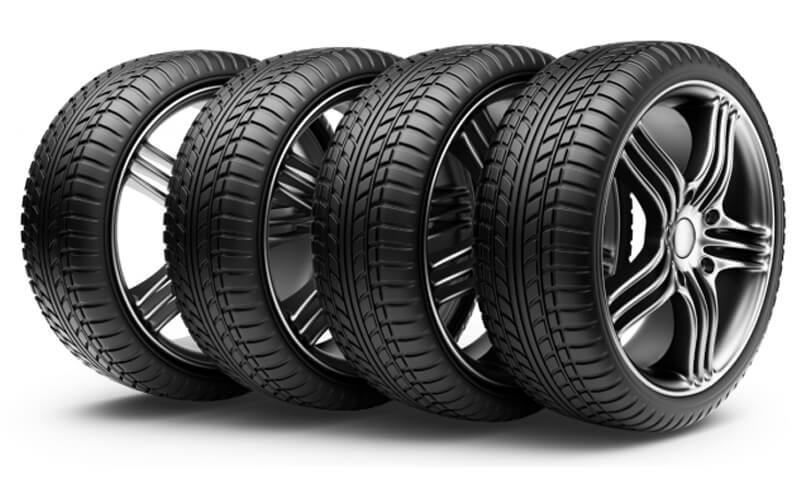
The majority of motorists in the UK believe that tyre pressure is only important in the day to day drive. However, once you get to rough sand, mud, gravel or rocky tracks, the pressure completely alters the amount of grip, comfort and traction received. A tyre which is well inflated can bend to the ground. Tyres that are over-inflated turn hard and lose their feel. Tyres that have been under inflated may swell, overheat and even explode.
Suppose you are going on an off-road adventure. Rather than relying on your guesses with regard to the amount of air to release, adopt an easy but safe trick, which will keep your tyres in proper condition, and provide you with good handling. This post will tell you why you need to adjust tyre pressure before you are on the dirt, and how to open it again before you are on the road.
The importance of changing pressure.
As you release some air, the rubber is branched out- the contact patch is bigger. The bigger the patch the more traction and reduced wheel spin and this is significant when dealing with uneven surfaces.
There is the pressure you have to maintain in a safe zone. If you go too low:
- The tyre can come off the rim
- The wall of the side may pinch or tear.
- Accumulation of heat, which destroys the rubber.
As car owners in the UK, in need of a dose of off-road adventure, it would help you to keep your car and tyres safe by knowing the correct ranges.
Find out where to start: road pressure.
Check normal road pressure before you change anything. The recommended pressure is available:
- Inside the driver door
- Near the fuel cap
- In the vehicle handbook
In the UK, everyday driving is performed with 3035 psi in most typical cars. Bigger 4x4s may use a bit higher.
The safe tyre pressure ranges on off-road surfaces.
Each surface requires a varied installation. This is a simple road map that should be followed by motorists in the United Kingdom:
Gravel or mud roads - drop to 26-28 psi.
Gravel is not in need of extreme grip, but just needs to be stable. A little less pressure will make the ride easier and the tyre will remain solid against small stones.
Muddy tracks – drop to 22?26?psi
More flex allows the tread to sink and minimises wheel slipping.
Soft sand – drop to 16?20?psi
Sand desires the largest area of contact. Reduced pressure causes the tyre to float rather than scratch. Too high and you’ll sink.
Rocky terrain – drop to 22?26?psi
Too low and you will have sidewall damage. Go not for grip, but control.
They are broad principles. The limits can be changed by the build of the tyre, the load and type of the car. Always bring the pressure down slowly, no sudden decrease.
How to deflate safely
- Park on level ground.
- Use a pressure gauge.
- Blow down via the valve.
- Examine after each 3-5 seconds of discharge.
Don’t guess by eye. Even professionals are incapable of doing it without a gauge.
Check inflate and re-enter the road.
Tyres that are used on roads require the appropriate pressure so that they feel normal on asphalt. Tyres that have been under-inflated:
- Lower fuel economy
- More edge wear on the tread
- Heavy, wobbly steering
- Additional heat in the motorway speeds.
Before you strike the open roads thus re-inflate.
Re- inflation routine:
- Pull over onto a safe place on the highway.
- Use either a portable compressor or strike the nearest air point.
- Huff back to normal road pressure (check handbook).
Most off-road lovers are equipped with a small compressor to enable them to adjust tyre pressure on the spot.
Quick safety checklist
Before you deflate:
- Shed extra weight.
- Do not take sharp turns of low pressure.
- Maintain low speeds with soft tyres.
How to select cheap tyres without compromising on safety.
It is believed that only fancy tyres can do off-road. That’s not always true. When changing the tyres to mixed use on the road and off-road, many of the UK drivers contemplate low-cost options, e.g. finding cheap tyres in Birmingham. It is just that the tyre conforms to the appropriate load index, speed rating and safety requirements.
Even cheap tyres can rock if:
- Pressure is set right
- Tyres are checked regularly
- They match the car’s specs
The manner in which you utilise them is more important than the cost of your cheapest tyres in Birmingham.
Conclusion- tyre pressure provides control.
Off road driving is not about speed, but rather about control and traction. The correct pressure cushions your tyres, maintains grip and ensures that the ride is safe.
Remember:
- Deflate within safe ranges
- Adjust for the terrain
- Never empty the road without inflation again.
Tyres support your weight of safety - treat them, and they will support you in all your destinations wherever you go.
Post Your Ad Here
Comments