Wall art Australians Love and Why Prints Get More Love
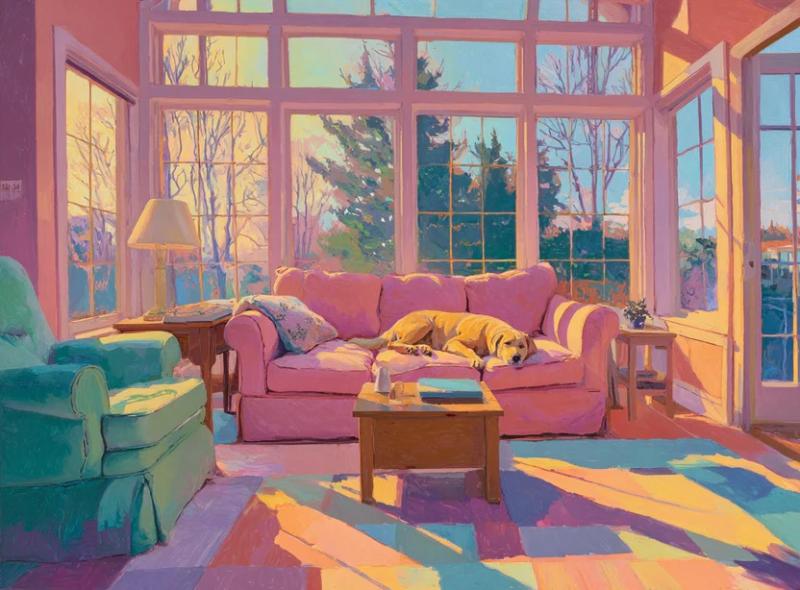
Wall art in Australia is more than decoration. It’s a way people bring landscape, light and personality into homes that range from inner-city apartments to coastal cottages. In 2024–25 the market shows a clear appetite for bold statement pieces, nature-inspired works and tactile, textured art — while practicality and price push many buyers toward high-quality prints. Here’s a clear guide to what Australians like, how tastes differ by generation, why textured pieces endure, and why prints are a smart, cost-effective choice.
The Genres Popular in Australia Right Now
Across galleries, online sellers and interior-design roundups, several themes keep appearing:
-
Abstract and oversized statement art. Large abstract art collection that anchor a room remain popular for modern living spaces and renovations.
-
Biophilic and landscape imagery. Works that reference Australian coastlines (coastal wall art), native flora, and natural palettes are in demand as people bring the outdoors in.
-
Pattern, colour and mid-century inspired pieces. Patterned or graphic prints that add energy to minimalist rooms are trending, particularly for renters and younger buyers who want big impact on a budget.
These genres reflect both global design movements and Australia’s particular relationship with nature, light and open space.
How Wall Art Choices Vary Between Generations
Generational differences shape not just style but spending and prioritisation.
-
Younger Australians (Gen Z and Millennials) tend to make decor a priority even under cost-of-living pressures. A consumer insight report found younger Aussies are less willing to cut back on home decor and more likely to use their space to express identity. That means bold, personalised wall art, eclectic prints, and art-as-personal-branding are common choices.
-
Gen X and older Millennials often spend more on renovations and investment pieces (including original art) when they have the budget — Houzz data shows Millennials increased renovation spend and Gen X still account for substantial project budgets. This group blends statement pieces with investment purchases.
-
Baby Boomers are more likely to engage with arts and culture in traditional ways and may favour originals, locally produced artworks, or pieces with provenance. Reports on arts perceptions among Baby Boomers indicate a sustained interest in cultural participation and quality art experiences.
Put simply: younger buyers prioritise personal expression and affordability; mid-life buyers mix investment with style; older buyers often value provenance and originals.
Why Textured Art Stays Evergreen
Textured art taps a different sense than colour alone. Three reasons textured/3D art keeps selling:
-
Tactile and sensory appeal. Raised surfaces, mixed media and sculptural canvases add depth and invite closer inspection — they change with light and angle, which keeps interiors feeling dynamic.
-
Perceived luxury and longevity. Texture signals craft and can elevate a space without needing bright colour or huge pieces. Retail trend reports and galleries list textured/3D works among growing consumer favourites for 2024–25.
-
Versatility. Textured pieces work as focal points in minimalist rooms or as anchors in layered, bohemian interiors — they age well visually because their impact is structural rather than purely topical.
Because texture plays with shadow and material, a relatively small textured piece can feel more “valuable” than a larger flat print.
Why Prints are a Cost-effective, Smart Solution
Not everyone can (or wants to) buy originals. Prints offer several practical advantages:
-
Affordability. Prints (open-edition or limited edition) typically cost a fraction of originals, letting buyers access works by desirable artists or large-format pieces at much lower prices. Retail and gallery guides consistently note price bands: prints often sit in the $25–$500 range while originals start higher.
-
Variety and flexibility. Prints allow people to change art with trends or move between rentals and permanent homes. If a homeowner wants a seasonal or statement look without long-term commitment, prints are ideal.
-
Quality options are widely available. Advances in giclée printing, archival inks and better paper/canvas mean prints can closely replicate colour and detail while offering longevity when framed and cared for correctly. Limited-edition prints still offer collectors’ value without the price of an original.
-
Good framing multiplies perceived value. A modestly priced print, well-mounted and framed, often reads as high-end in a room. That’s why many interior designers recommend investing a bit in framing rather than only the artwork itself.
Quick Practical Tips for Buyers in Australia
-
Renters: consider lightweight framed prints or canvas prints that hang easily and can be swapped when you move. (Affordable → high visual impact.)
-
If you want texture on a budget: look for mixed-media prints, relief prints, or smaller sculptural pieces rather than large original canvases.
-
Invest in archival printing and UV-protective glazing for pieces that will be in bright rooms to preserve colours.
Bottom Line
Australians today love a mix of bold abstracts, nature-led art and tactile, textured pieces — but buying choices are strongly influenced by generation and budget. Younger people favour personal, affordable art (prints and statement works); older buyers are likelier to invest in originals and pieces with provenance. Because textured art delivers long-lasting visual interest and prints offer accessibility and flexibility, combining a textured focal piece with curated prints is a popular, cost-effective strategy for Australian homes.
Post Your Ad Here
Comments