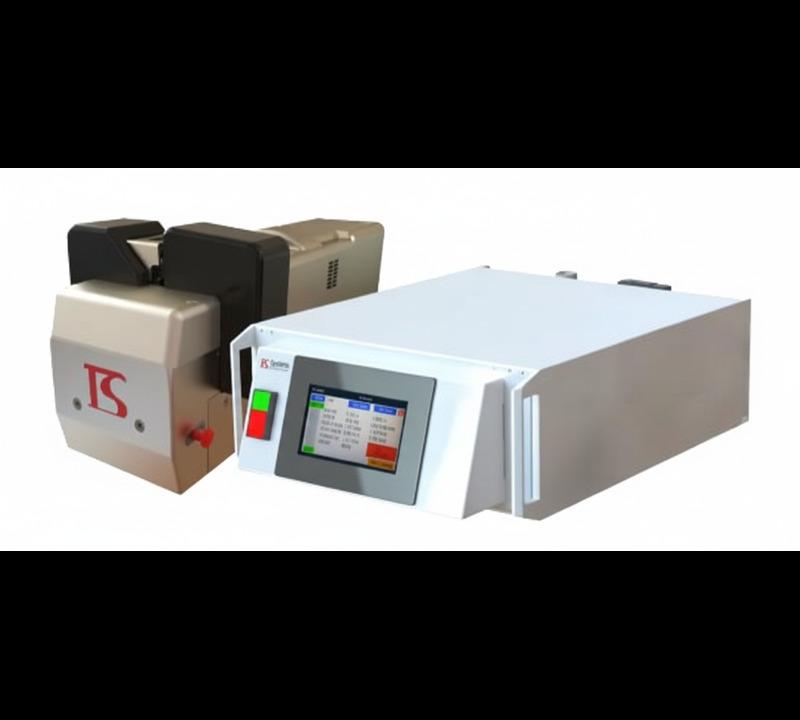
When it comes to modern vehicles, electrical systems play a crucial role in powering everything from the engine control unit to infotainment and safety components. Ensuring strong, durable, and accurate wiring connections is essential for performance, safety, and reliability. That’s where Wire Splicing for automotive applications becomes critical. Proper splicing not only helps maintain optimal electrical flow but also prevents future breakdowns, short circuits, and system failures. In this article, we explore the best practices for achieving long-lasting wire splicing connections, drawing on the engineering expertise of Tech Sonic India.
Why Quality Wire Splicing Matters in Automotive Systems
Automotive wiring is exposed to harsh conditions—temperature fluctuations, vibrations, moisture, dust, and constant movement. A weak splice can lead to intermittent faults, voltage drops, or even a complete system shutdown. Hence, achieving a reliable splice ensures:
-
Stable electrical transmission
-
Reduced chances of corrosion
-
Improved vehicle safety
-
Longer lifespan of electrical components
-
Prevention of costly repairs
Because vehicles rely heavily on electronic systems, professional-grade wire splicing has become more important than ever.
Types of Wire Splicing Methods Used in Automotive
There are several ways to perform Wire Splicing for automotive, each with its own advantages:
1. Mechanical Splicing
This includes crimp connectors, butt connectors, and terminals. It is commonly used in automotive workshops because it is quick, consistent, and requires minimal equipment. Heat-shrink connectors further improve water resistance and strength.
2. Solder Splicing
Soldering provides a strong, conductive joint and is ideal for sensitive circuits. However, it requires skill and should be done carefully to avoid overheating, which can damage wire insulation.
3. Ultrasonic Wire Splicing
This is the most advanced method used in automotive manufacturing. Tech Sonic India, known for its precision ultrasonic machines, offers high-quality solutions for creating strong metallurgical bonds using ultrasonic energy. These splices are consistent, vibration-resistant, and ideal for mass production.
Best Practices for Long-Lasting Automotive Wire Splicing
To ensure durability and reliability, follow these industry-recommended guidelines:
1. Use the Right Tools and Connectors
Always match the connector size with the wire gauge. Poor tool quality or incorrect crimp sizes lead to loose joints that can fail under vibration.
2. Strip Wires Properly
Avoid nicking or cutting conductor strands when stripping insulation. Damaged strands weaken the splice and reduce current-carrying capacity.
3. Ensure Clean and Untarnished Wire Ends
Dirt, corrosion, or oxidation can prevent proper bonding. Clean wires before splicing, especially in older vehicles.
4. Choose Heat-Shrink Tubing for Protection
After splicing, use heat-shrink tubing for insulation and waterproofing. This adds mechanical strength and prevents corrosion caused by moisture.
5. Follow Correct Soldering Techniques
When soldering:
Incorrect soldering can result in brittle connections.
6. Test the Connection Thoroughly
Measure resistance, check voltage continuity, and gently tug the wires to ensure the splice is secure. Proper testing reduces the risk of future failures.
7. Use Ultrasonic Splicing for High-Precision Needs
For OEM-level quality, ultrasonic splicing is the gold standard. With solutions from Tech Sonic India, manufacturers achieve consistent connections ideal for EVs, sensors, harnesses, and safety electronics.
Common Mistakes to Avoid in Automotive Wire Splicing
-
Using electrical tape instead of proper connectors
-
Overheating wires during soldering
-
Mixing different wire gauges
-
Ignoring waterproof sealing in exposed areas
-
Skipping resistance or continuity testing
Avoiding these mistakes ensures reliability and reduces maintenance costs.
Conclusion
Reliable Wire Splicing for automotive is vital for ensuring the durability, safety, and efficiency of a vehicle’s electrical system. Whether you’re working on repairs, custom aftermarket installations, or large-scale manufacturing, following best practices guarantees long-lasting performance. With advanced solutions from Tech Sonic India, automotive professionals can achieve superior-quality splices that withstand challenging conditions and support modern vehicle electronics.