The 22 Yards of Destiny: Why the Distance Between Wickets is Cricket's Most Vital Measurement
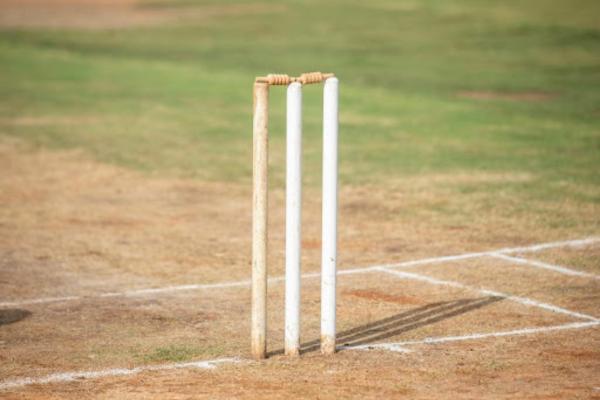
If you've ever watched a cricket match, you've heard the commentators talk about the "22 yards." It's a phrase tossed around as casually as discussing a batsman's average or a bowler's pace. But have you ever stopped to wonder, what is the distance between wickets in cricket, and why is this specific measurement so sacred to the sport?
As a cricket journalist who has spent over a decade delving into the sport's intricacies, I can tell you that this isn't just a random number. The 22 yards (20.12 meters) separating the two sets of stumps is the stage upon which every single ball in a game of cricket is played. It's the distance that defines legends, breaks hearts, and dictates strategy.
Let's unpack everything you need to know about this fundamental aspect of the game.
The Golden Number: 22 Yards
So, to answer the core question directly: The official distance between the two wickets on a cricket pitch is 22 yards.
But what does that look like in different units?
In Yards: 22 yards
In Meters: 20.12 meters
In Feet: 66 feet
This measurement is taken from the inside edge of one bowling crease to the inside edge of the other bowling crease. It's the precise length of the cricket pitch itself—the tightly mowed, rectangular strip in the center of the field where the bowler delivers the ball and the batsmen duel.
More Than Just a Measurement: It's the Game's Heartbeat
Why 22 yards? The history is a bit fuzzy, but it's believed to have originated from traditional units of measurement like chains and furlongs used in England, where the sport was codified. But the "why" is far less important than the "what it does."
This specific distance is not an accident; it's the perfect equilibrium that creates a fair contest between bat and ball. Think about it:
If the pitch were shorter: Batting would be a nightmare. Bowlers, especially pacers, would be almost unplayable, with the ball reaching the batsman in an impossibly short time.
If the pitch were longer: Batting would become too easy. Bowlers would lose their venom, spinners would have less impact, and the thrilling edge-of-the-seat contests we love would vanish.
The 22-yard distance is the magic number that balances these two forces, making cricket the captivating sport it is.
Breaking Down the Pitch: Key Measurements You Should Know
While the 22 yards is the star of the show, the pitch is framed by other critical lines and measurements that every fan must understand.
1. The Wickets
At each end of the 22 yards sit the wickets. A wicket consists of three stumps and two bails. The width of the wicket is a crucial part of the target.
Stump Height: 28 inches (71.1 cm)
Overall Width: 9 inches (22.86 cm)
2. The Creases: The Lines of Battle
The creases are the lines painted on the pitch that define the legal territory for bowlers and the safe zone for batsmen.
The Bowling Crease: This is the line you see the bowler behind. It is 8 feet 8 inches (2.64 meters) long. This is the line from which the 22-yard distance is measured.
The Popping Crease: This is the most famous crease, located 4 feet (1.22 meters) in front of the bowling crease. This is the line the batsman needs to ground their bat or body behind to be "in." It's also the line the bowler must not overstep, or a no-ball is called.
Here’s a simple table to visualize the key measurements:
| Feature | Measurement | Importance |
|---|---|---|
| Distance Between Wickets | 22 Yards / 20.12m | The length of the pitch; the core of the game. |
| Pitch Width | 10 Feet / 3.05m | The width of the playing area for the bowler and batsman. |
| Stump Height | 28 Inches / 71.1cm | The height of the wicket the bowler aims to hit. |
| Stump Width | 9 Inches / 22.86cm | The width of the wicket, defining the bowler's target. |
| Popping Crease | 4 ft from Bowling Crease | The safe zone for batsmen and the no-ball line for bowlers. |
How the 22 Yards Influences Gameplay and Strategy
The distance between wickets isn't just a static measurement; it actively shapes how the game is played.
For the Bowlers:
Pace Bowlers: They rely on the 22-yard distance to generate pace, bounce, and swing. The journey the ball takes in that short span—seaming off the pitch, swinging in the air—is what makes them lethal.
Spin Bowlers: For spinners, the 22 yards is their canvas. They use this distance to make the ball "drift," "dip," and turn sharply off the surface, outfoxing the batsman after the ball pitches.
For the Batsmen:
This distance dictates their reaction time. They have a fraction of a second to judge the line, length, and movement of the ball before deciding whether to defend, attack, or leave it.
It also defines running between the wickets. A quick single requires covering the 22 yards (plus the turn) in the shortest time possible. The fitness and speed of players are tested with every run.
For the Fielding Captain:
The pitch's condition—whether it's hard and bouncy, dry and dusty, or green and moist—directly influences field placements and bowling choices, all within the context of those 22 yards.
A Distance That Creates Legends
Think of the most iconic moments in cricket, and you'll find the 22 yards at the center.
The blistering yorker from a Wasim Akram or a Brett Lee that crashes into the stumps.
The mesmerizing "Ball of the Century" from Shane Warne that pitched outside leg stump and turned a mile to clip the top of off stump.
The heart-stopping run-out where a direct hit from the boundary finds the stumps with the batsman diving, millimetres short.
Every one of these moments of brilliance, shock, and skill is confined to this 22-yard strip. It is cricket's coliseum.
Conclusion: The Soul of the Sport
So, the next time you tune into a match, remember that the distance between the wickets in cricket is 22 yards. But more than that, appreciate it for what it is: the sacred, unchanging constant in a sport that evolves with every passing year. It is the great equalizer, the perfect distance that has tested the world's best for centuries and will continue to do so for centuries to come. It is, in every sense, the soul of cricket.
CricTak Overview
CricTak is a cricket platform focusing on digital cricket scoring, live match updates, and player performance tracking. It is designed to help cricket enthusiasts, coaches, and players score domestic tournaments digitally and broadcast live scores with features that mirror international-standard scoring. CricTak aims to simplify and modernize cricket scoring with intuitive tools that can be used across various cricket formats, enhancing engagement for both players and fans.
3 Team Cricket (3TC) and Other Cricket Platforms
3 Team Cricket (3TC): This is an innovative experimental format involving three teams of eight players each competing in the same match. Each team bats for a single innings of 12 overs split into two 6-over segments, facing different opponents in each half. The format is faster than traditional matches and promotes efficiency with strategic rotation of batting, bowling, and resting players. 3TC aims to attract younger audiences and bring freshness to cricket formats.
Popular Cricket Platforms Overview:
Cricsportz: Offers a robust cricket data API delivering live scores, ball-by-ball commentary, detailed player profiles, historical match data, and consistent real-time updates for tournaments globally. It is ideal for developers building cricket apps or websites.
CricRocket: Known for fast live scores and comprehensive match insights including player statistics and fantasy cricket features.
CricViz: Famous for advanced cricket analytics and predictive models, widely used in professional cricket data analysis.
CricLive: Aimed at global fans, offering real-time scores, in-depth stats, player rankings, and match schedules.
These platforms provide diverse services ranging from live scoring and player stats to analytical insights and new cricket formats like 3TC.
CricTak Platform: Bat Selection Insights
CricTak is a rising platform that focuses on delivering practical cricket tips, gear reviews, and match analyses tailored to Indian audiences. On CricTak, users can access in-depth guides for choosing the right bat size, factoring in height, age, and playing style for both beginners and advanced players. The platform is known for incorporating interactive bat size calculators, expert tips, and regular comparisons between popular brands, ensuring an evidence-based approach to equipment selection. CricTak’s digital resources also include video walkthroughs and community Q&A sessions, aiding users in making confident purchase decisions.
CrickRocket: Live Stats and Bat Guidance
CrickRocket excels at providing comprehensive match statistics and player performance data. While primarily known for real-time score updates, CrickRocket has also introduced a section dedicated to cricket gear, including bats. Embedded analysis connects bat selection with player performance metrics, letting users match recommended sizes and weights to tracked batting results. The platform’s unique data-driven suggestions make it a valuable resource for analytical players and parents wanting to connect stats to practical gear decisions.
CrickPro: Bat Size Tools for Clubs and Leagues
CrickPro is a robust scoring and streaming platform, trusted by clubs and local cricket leagues across India. Besides its match management tools, CrickPro features a nuanced bat sizing utility, which uses registration details such as age, height, and technical proficiency to suggest optimal bat sizes for new and intermediate players. The platform also supports administrators in distributing official bat sizing charts and guidelines during club events, helping young athletes avoid common sizing mistakes during their formative years.
CricDost: Interactive Guides and Rewards
CricDost delivers a dedicated ecosystem for live cricket match streaming and player management. Notably, its “My Cricket” module and multi-camera live matches include embedded tips for equipment selection. CricDost’s leaderboard functionality rewards participants who correctly utilize platform-recommended bat sizes and gear. The site also offers reward points, tutorials, and community challenges on selecting the right bat, all built upon interactive worksheets and leaderboards that help reinforce bat selection best practices.
Additional Notes on Community and International Platforms
Other feature-rich cricket platforms (like international cricket stores and guides) provide buyers with side-by-side comparisons of bats, sometimes showcasing short handle, long handle, and harrow models for direct purchase. Detailed reviews and buying instructions on these platforms are helpful for anyone evaluating imported bats, club equipment packages, or unique formats such as T20.

Post Your Ad Here
Comments