What Drivers Should Know About Annual Vehicle Checks
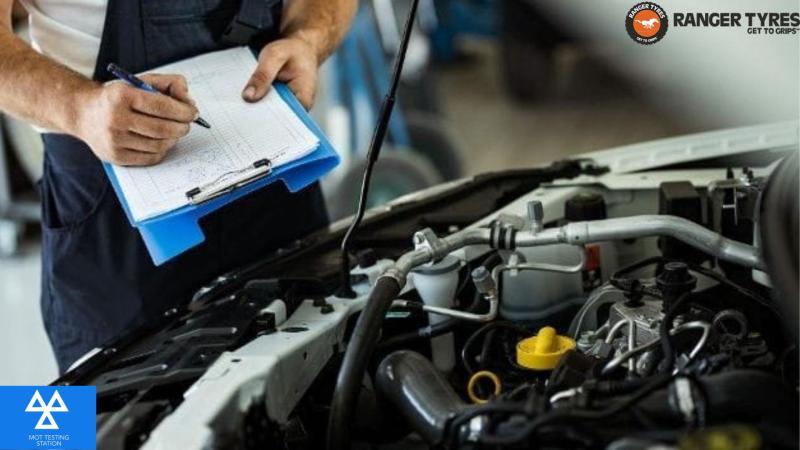
The upkeep of a motor vehicle is not limited only to its refuelling and cleaning. The yearly inspection, among other things, will make sure the car is safe, efficient, and legal. In the United Kingdom, every car older than three years has to take a mandatory inspection known as the MOT test annually. The verdict of the inspection is not a mere legal formality; rather, it is a thorough examination that aims to ensure both drivers and pedestrians are safe on the road.
Knowing Why Annual Vehicle Checks Are Important
Obvious to the regular person, a car is subject to even the least damaging driving, everyday wear and tear. Annual checks are useful to detect small technicalities which would have otherwise been very costly or even dangerous when they are not treated at their source. The entire process of Annealing thus additionally includes the different routines of mainly checking and maintenance of brakes, etc, machines, also like a car company, besides the functioning of lights and easy replacement of tyres. When at the same time these components are kept in good condition, road safety, increasing fuel efficiency, and along the life of the vehicle, they last longer are the resulting benefits.
One of the vital checks is the MOT in Luton Test. It is responsible for confirming that a vehicle meets environmental and safety standards set by the Driver and Vehicle Standards Agency (DVSA) at the time of inspection. Not possessing a valid MOT certificate makes driving the vehicle not only unlawful but also very risky because it might already be having a mechanical failure.
The Key Components of an Annual Check
A comprehensive vehicle inspection entails examining a few major factors, which are prioritised for keeping the car roadworthy for a whole year.
1. Braking System:
The braking system is the most important part throughout driving, and the safest part of it. The experts, during an annual inspection, check brake pads, discs, and fluid levels to see if stopping power is reliable. Performance regularities can cause an increase in the distance that is needed to stop and, thus, possibly lead to accidents.
2. Tyres and Wheel Condition:
The vehicle's tyres are the sole parts that are always touching the ground. They are a major factor that influences the vehicle's grip, fuel consumption, and distance to stop. Tread depth must be at least 1.6 mm as per the law. If you hear strange noises such as thudding, screeching, or buzzing, it means that something is wrong with the wheels. Some noises could be caused by brakes or suspension, but if they are periodic, then it is an indication of tyre damage or imbalance. In the same way, steering problems like the vehicle pulling to one side or the driver struggling to keep the vehicle straight are signs that the wheels need service. Early identification of these symptoms helps drivers to fix the problems before they escalate. Changing the faulty wheels not only enhances driving stability but also minimises accidents that occur due to impaired handling.
3. Lights and Visibility:
For successful driving, one has to be seen and, at the same time, see. Full inspection of an annual check-up verifies the proper working of all lights, including front and rear lamps, turn signals, brake lights, etc. Also, windscreen wipers and mirrors are checked for clarity and accurate positioning so the driver has an unobstructed view in every weather.
4. Exhaust and Emissions:
The procedure of vehicle maintenance has now incorporated environmental sustainability at a very high level. Emission levels are measured during the annual checks to make sure that the cars are not polluting and are working within legal limits. A failure in the exhaust systems can cause not only environmental damage but also a reduction in fuel consumption and overall performance.
5. Suspension and Steering:
Smoothness of the drive is primarily dependent on the good condition of the suspension and steering system. A looseness, an uneven ride or a vibration may indicate that an issue is developing. The annual checks will help to detect it early and to prevent major mechanical problems through timely intervention.
Why Annual Checks Are More Than Just a Legal Requirement
Many drivers think of yearly vehicle inspections as nothing more than a legal requirement; however, the benefits that these inspections provide are far greater than just compliance. The checks give the driver peace of mind because they are sure that the car is safe for driving and nothing bad is hiding underneath the hood. Besides, regular inspection retains a car's resale value as a well-kept vehicle is always more attractive to potential buyers.
Moreover, unplanned breakdowns are a drain on both finances and time. Maintenance inspections do not eliminate the risk of roadside failures, but they do greatly reduce it, thus saving the drivers time, stress, and money. By the same token, car emissions are kept in check through these inspections, and thus, they help in the company's environmental policy of providing a cleaner atmosphere.
Common Issues Detected During Annual Checks
Most of the time, drivers are not aware of many problems until they are pointed out during the annual inspections. Worn-out tyres, malfunctioning lights, faulty brakes, and excessive exhaust emissions are just a few of the most common issues on the list. These imperfections can slowly build up and might be hard to spot without a professional taking care of them.
Fluid leakage is one more frequent trouble, which could drain various areas of the vehicle, from the gearbox, coolant system, or brakes. Such leaks, if not and then, can lead to a major repair bill and even turn into a fire risk. Regular checks ensure that such hazards are kept at bay for a long time prior to getting out of control.
How Regular Maintenance Supports MOT Success
Maintenance at regular intervals is the key to preparing a vehicle for an MOT test. The test's failure rate can be cut down by a significant amount if the minor issues are taken care of beforehand. For instance, the following can be done: replacing worn-out wipers, checking fluid levels, and making sure the tyres have the legal tread depth.
An MOT also includes inspection of vehicle identification numbers, seatbelts, doors, and fuel systems. Keeping these components in good condition through routine inspections makes the yearly process easier and less stressful.
A Small Step Towards Safer Roads
Every single driver has the obligation not only to protect themselves but also to protect others who are on the same road. Having the vehicle regularly checked up assures that every car is meeting the minimum requirements of safety and emission standards. This process represents a joint effort to curb accidents, emissions, and maintain the safety of the neighbourhoods around.
To put it simply, the yearly check-ups should be considered as an integral part of car ownership, albeit a necessary one. They not only ensure that the car is safe for the driver but also the safety of the driver, giving them the confidence that the car can be taken on any trip without worrying.
Conclusion
The knowledge of the necessity of vehicle inspections empowers the drivers to take correct maintenance measures, and the transport is safer and more reliable. The MOT test is an indication of the necessity of always consulting the vehicles — a procedure that keeps not only the legal standards but also the well-being and earth cleanliness. By timely checking of the vehicles, the drivers can have more pleasant drives, fewer breakdowns, and a great feeling of safety every time they are behind the wheel.

Post Your Ad Here