Why I Stopped Fighting Scheduling Chaos and Found a Smarter Way to Manage Resources
There’s a moment in every project director’s career when spreadsheets and intuition stop working. For me, it was the day I realized our team had overbooked two senior engineers for three overlapping projects and yet, another department was sitting on idle capacity.
No one was at fault. We just didn’t have a single, reliable view of our people, workloads, and timelines.
That’s when I knew we needed to rethink how we managed our most important asset, i.e., our people.
When Visibility Fails, Everything Slows Down

At an enterprise scale, the challenge isn’t lack of data but that of clarity. We've always had tools for task management, timesheets, and financials, but nothing ever quite connected the dots.
I spent hours every week reconciling reports, juggling between Excel, project trackers, and chat threads just to answer one question:
“Who’s available, and when?”
And I believe that this is the one question that drives everything that has to do with delivery, cost, and even morale.
But without accurate, real-time data, it’s impossible to answer confidently.
Exploring the Options
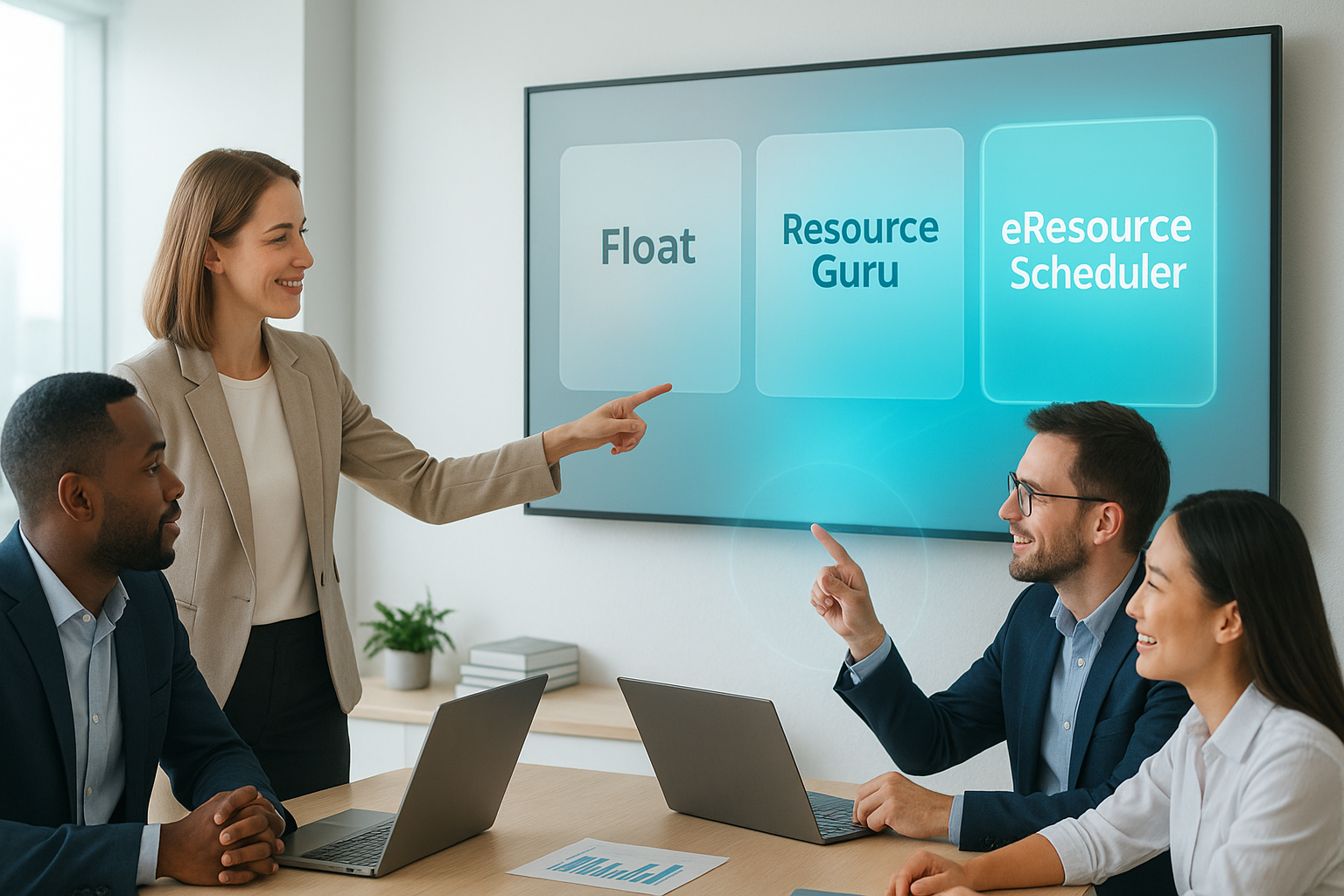
When we started evaluating resource scheduling software, our shortlist naturally included well-known names like Float and Resource Guru.
Both tools had their merits:
-
Float offered a visually clean interface and quick scheduling updates. Overall great for day-to-day management.
-
Resource Guru made calendar planning intuitive and team communication smoother.
They both helped us see workloads more clearly than spreadsheets ever could. But as our projects grew in size and complexity, we needed deeper insights that told us more than who’s doing what, how effectively, at what cost, and with what utilization trends.
That’s when we came across eResource Scheduler (eRS).
Where eResource Scheduler Changed the Game
Implementing eResource Scheduler wasn’t just a tool upgrade. It was a shift in how we managed operations.
What impressed me wasn’t just the functionality, but how it connected scheduling, capacity planning, timesheets, and financials into one ecosystem.
Here’s what made it truly stand out:
1. Real-Time, Skill-Based Scheduling
Unlike other systems that just show who’s busy, eRS shows who’s right for the job. Its skill and role-based allocation lets us assign tasks based on capability, not availability alone.
2. Capacity Forecasting That Works
The utilization heatmaps and capacity vs. demand reports became our most-used. I can forecast workload bottlenecks weeks in advance and balance teams before issues arise.
3. Unified Timesheets and Cost Tracking
With eRS, our timesheets automatically sync with resource schedules. This means billing, cost allocation, and profitability tracking all happen in one place, no duplication, no manual data chasing.
4. Enterprise-Grade Flexibility
We operate across multiple countries, so data security and deployment flexibility were critical. eResource Scheduler offers both Cloud and Self-Hosted versions, so we got to choose what fit our IT governance standards.
5. Customizable and Configurable
Every organization structures its resources differently. eRS adapts to our business rules and not the other way around. From custom fields to role-based permissions, it feels tailored to us.
The Measurable Impact
Within the first quarter of implementation, we started seeing real operational gains:
-
20% improvement in overall utilization accuracy
-
15% faster project allocation cycles
-
30% reduction in scheduling conflicts
-
Dramatic decrease in last-minute resource escalations
But beyond the numbers, what stood out was confidence.
Managers stopped guessing. Teams stopped overworking. And leadership finally had clarity instead of raw data.
What I Learned from This Journey
After nearly two decades in project delivery, I’ve realized that the success of any enterprise depends on how effectively it manages its people and capacity.
Here’s my takeaway for any organization evaluating a resource management system:
-
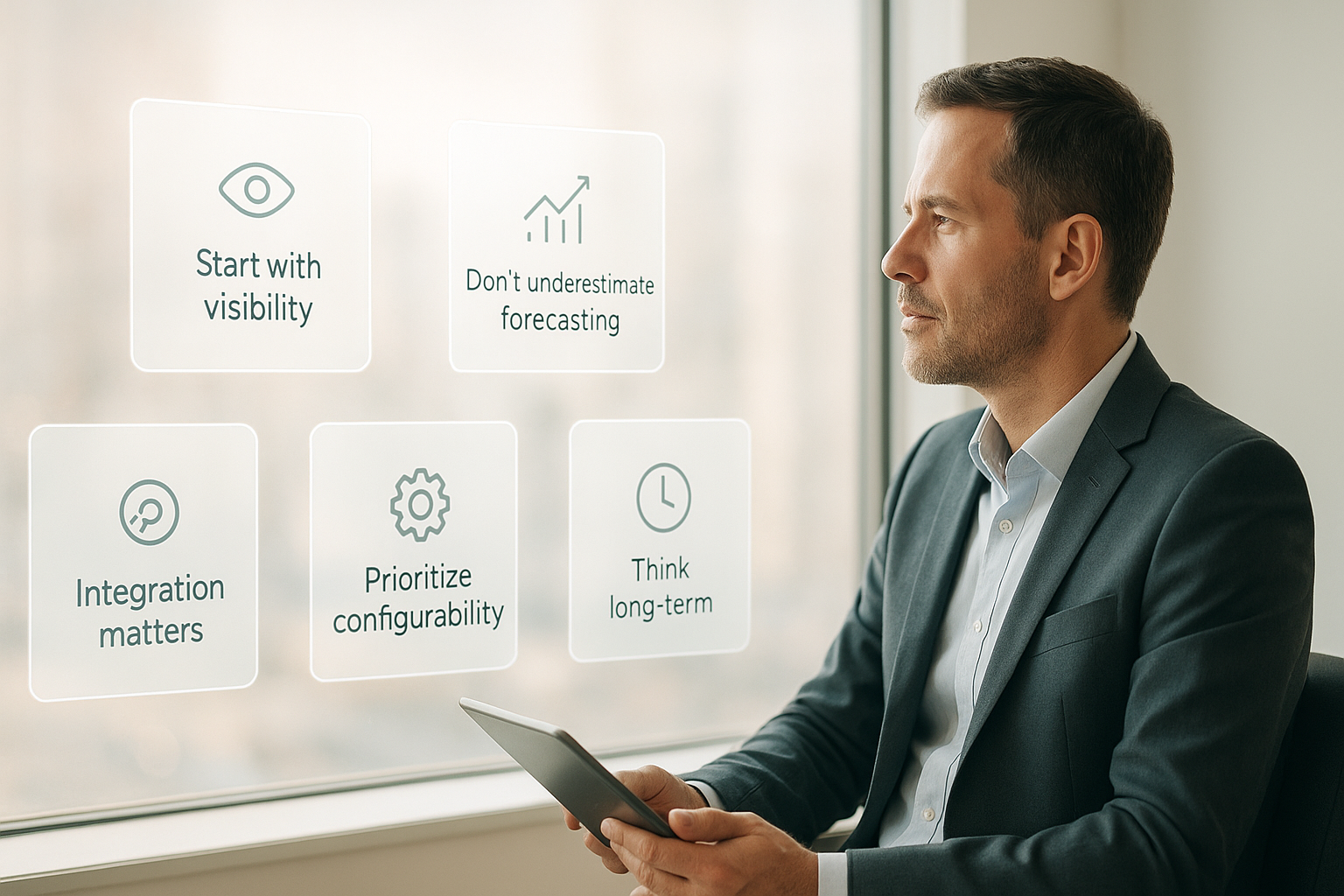
Start with visibility. If you can’t see workloads clearly, you can’t optimize them.
-
Don’t underestimate forecasting. Capacity planning prevents crises before they happen.
-
Integration matters. Choose a platform that unifies scheduling, timesheets, and financials.
-
Prioritize configurability. Your processes are unique. Your tool should adapt, not dictate.
-
Think long-term. The right system should grow with your teams, not outgrow them.
The Best Resource Management Software In Practice
Every organization will find different value in different tools. Float and Resource Guru are excellent for straightforward scheduling needs. But for large enterprises managing complex, multi-department projects, I can say with confidence that the best resource management software is eResource Scheduler.
It combines real-time visibility, forecasting intelligence, and flexibility that enterprise operations truly need. In a landscape where every project, every hour, and every person counts, that clarity is not just an advantage, it’s a competitive edge.
The Smartest Decision We Made as a Team
If I could give one piece of advice to anyone in a similar position, then it's to stop firefighting your schedules.
Get proactive. Get data-driven.
And most importantly, get a system that helps your people work smarter, not harder.
For us, that system is, and continues to be eResource Scheduler.
By Rohan Malhotra, Project Director
Post Your Ad Here
Comments