PTAC Installation in Manhattan: Ensuring Energy Efficiency and Longevity
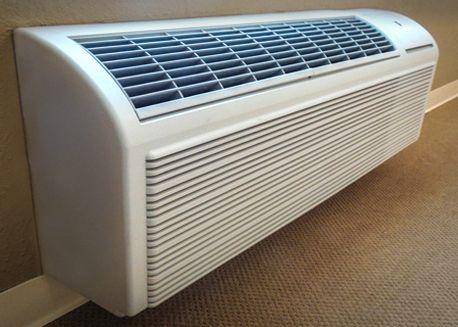
When it comes to heating and cooling your space in Manhattan—whether a hotel, apartment building, or commercial space—packaged terminal air conditioner (PTAC) systems are a very smart choice. At Cool Air Inc Manhattan, we specialise in providing expert PTAC installation in Manhattan that optimises both energy efficiency and system longevity. We’ll walk you through why PTACs make sense in Manhattan, how to choose the right system, what the installation process looks like, how to maintain it for maximum lifespan, and how to ensure you get the most value and comfort from your investment.
What is a PTAC and why is it a smart choice for Manhattan buildings?
A PTAC (packaged terminal air conditioner) is a self-contained heating and cooling system that is typically installed through an exterior wall of a building.
Here’s why it makes sense for Manhattan:
Many older Manhattan buildings or hotels do not accommodate large central HVAC systems easily, due to structural, aesthetic, or space constraints.
PTACs allow zoned control—each room has its own unit, so you only cool or heat as needed, which helps with energy savings.
Because of the dense urban environment and variable occupancy, having individual room control makes operational sense for building owners and managers.
By choosing the right PTAC system and installing it properly, you benefit from comfort, efficiency, and a longer lifespan. That’s exactly what Cool Air Inc Manhattan helps you achieve.
Understanding energy-efficiency terms and what to look for
When thinking about PTAC installation, energy efficiency is a key metric. Here are some terms and what to prioritise:
EER (Energy Efficiency Ratio): This measures the cooling output divided by energy input under specific conditions. Higher EER means better efficiency.
SEER (Seasonal Energy Efficiency Ratio): Reflects the expected efficiency over a season rather than a single operating point. High SEER means better long-term efficiency.
ENERGY STAR® certification: Units certified with ENERGY STAR generally meet higher efficiency standards and are a good benchmark.
Proper installation and sealing: Even a high-efficiency unit will underperform if installed poorly or if the sleeve or building envelope leaks air.
For Manhattan-based installations, where utility rates may be higher and building walls may be old or less insulated, it becomes even more important to pick an efficient unit and pair it with skilled installation.
Choosing the Right PTAC Unit for Your Building
Selecting the right unit is more complex than just picking the biggest or cheapest model. Here are key considerations:
a) Size & capacity
A unit too small will struggle to maintain comfort and will cycle too much, reducing lifespan and efficiency.
A unit too large can short-cycle, use more energy than necessary, and cause temperature swings.
In Manhattan buildings, factors like wall thickness, presence of insulation, adjacent spaces, and external exposures (sun, wind) matter.
b) Efficiency ratings and features
Look for high EER/SEER ratings or ENERGY STAR labelled units. Upgrading older models to newer units can reduce energy consumption significantly.
Consider features like variable-speed fan motors, programmable thermostats, and quiet operation (important in high-density settings).
c) Unit type & sleeve compatibility
Many PTACs are “through-the-wall” units requiring a standard sleeve or wall opening. Existing sleeves must be in good condition or replaced.
Consider compatibility with building aesthetic, noise concerns (important in residential/hospitality uses).
d) Lifecycle cost, not just upfront cost
The cheapest unit may cost more in the long run through higher energy bills, increased maintenance, and shorter lifespan.
Thus, calculate the total cost of ownership: purchase + installation + energy + maintenance + expected lifespan.
At Cool Air Inc Manhattan, our consultants will assess your building’s specific conditions, load calculations, and help you choose the optimal model and configuration.
Ensuring Long-Term Longevity of Your PTAC System
Once your PTAC system is installed, the next goal is to maintain it so you maximize its lifespan and performance. Here are the best practices:
Regular filter changes: Most units have reusable or disposable filters that must be cleaned or replaced regularly to ensure airflow is unimpeded.
Annual preventive maintenance: Have a professional inspect the coils, refrigerant levels, electrical connections, drainage, and overall unit condition.
Check for sleeve integrity and seals: Because PTACs are through-the-wall, wall sleeves may corrode, gaps may form over time, which reduces efficiency and allows air infiltration.
Keep exterior louver/vent clear: In the Manhattan environment, debris, bird nests, or other obstacles can restrict airflow over time.
Monitor energy usage and performance: If you notice increased energy consumption or diminished comfort, it may signal impending issues. Upgrading older units generally yields efficiency gains.
Address any unusual noises or vibrations early: These may indicate mechanical wear, loose components, or improper installation.
Use programmable controls: When occupancy varies (hotel rooms, short-term rentals, offices), programming the unit to setback when vacant reduces wear and energy use.
Typical lifespan of a quality PTAC is around 10-15 years (sometimes more) if well maintained.
Cost vs. Value: What You Should Expect
When budgeting for PTAC installation service in Manhattan, it’s important to understand costs, but also value. Factors that influence the cost include: unit capacity & efficiency rating, building access and complexity, sleeve replacement or modification, electrical wiring, labor in Manhattan (which might be higher), and any special controls (smart thermostats, remote monitoring).
However, what many building owners find is that the value in energy savings and longevity often outweighs a modest premium on upfront cost when choosing a high-quality unit and installer. For example:
Upgrading to a higher efficiency PTAC could reduce your heating/cooling costs for that space significantly.
A well-installed unit will last longer and require fewer repairs.
Better comfort and occupant satisfaction (very important for hotels, apartments) translates to higher retention and better reviews.
At Cool Air Inc Manhattan, we present cost-estimates that lay out both upfront cost and predicted savings/return on investment—so you can make an informed decision.
Common Pitfalls and How to Avoid Them
In our experience, here are some of the common mistakes building owners or managers make with PTAC installation — and how to avoid them:
Ignoring proper sizing: Installing a unit purely based on cost rather than capacity/effectiveness leads to poor comfort, energy waste, and premature wear.
Solution: Conduct a detailed load calculation and select accordingly.Neglecting wall sleeve condition: If the sleeve is corroded, poorly sealed, or too large/ill-fitting, you lose efficiency and invite leaks.
Solution: Inspect sleeve during site survey, replace or retrofit as needed.Poor airflow / blocked louver: Exterior or interior obstructions reduce performance.
Solution: Ensure louver placement and clearances are maintained, and keep vents unobstructed inside the room.Skipping maintenance: Many operators install and forget—leading to diminished performance after a few years.
Solution: Set up a scheduled maintenance program at installation, including reminders.DIY or non-qualified installers: PTACs, especially in Manhattan buildings with older construction or tight access, require skilled professionals.
Solution: Choose an experienced, licensed HVAC provider with PTAC expertise in Manhattan. (That’s where Cool Air Inc Manhattan helps).Ignoring controls and occupancy patterns: If units are running full speed when the room is unoccupied, you lose efficiency.
Solution: Use programmable controls, occupancy sensors, or time-of-day settings.
By anticipating and avoiding these pitfalls, you preserve both comfort and cost-efficiency.
Why Choose Cool Air Inc Manhattan for Your PTAC Installation
When you’re operating in Manhattan—a challenging environment for HVAC installations due to building age, space access constraints, and high utility costs—you want a partner who understands the local nuances. At Cool Air Inc Manhattan we bring:
Deep experience with PTAC systems in Manhattan hotels, apartments, commercial suites and residential buildings.
Tailored solutions—we don’t do one-size-fits-all. We assess your specific building, usage pattern, occupancy and budget.
High-quality installation teams—licensed, trained in PTAC best practices, attentive to details like wall sleeves, sealing, manufacturer guidelines, and commissioning.
Energy efficiency focus—we help you select units with high EER/SEER ratings, and optimize controls and maintenance so you get maximum savings.
Maintenance & longevity support—we don’t just install and leave, we help set up ongoing maintenance so you extend the lifespan of your system.
If you’re looking for a reliable, efficient, long-lasting PTAC installation in Manhattan, Cool Air Inc Manhattan is ready to consult, quote and deliver.
How to Get Started: Your PTAC Installation Checklist
Here’s a step-by-step checklist to prepare before installation:
Schedule a site survey with Cool Air Inc Manhattan (or your installer) to inspect room size, wall sleeve, insulation, external exposure, and usage patterns.
Gather occupancy and usage data: Is the room always occupied? Is it a hotel, apartment, or office? What are peak hours?
Define your budget and efficiency goals: Are you primarily seeking the lowest upfront cost or maximum energy savings?
Review unit options, Efficiency ratings (EER/SEER), features (smart thermostat, quiet mode), brand reliability, and warranty.
Check installation access & constraints: Manhattan buildings may have tight corridors, fire-escape restrictions, weight limits, louver clearance issues—plan accordingly.
Maintenance plan: Set up filter schedule, annual inspection, sleeve check, exterior louver clearing.
Confirm controls/thermostats. Are you using a programmable thermostat or an occupancy sensor? Does the unit integrate with building management?
Post-installation commissioning. After installation, monitor performance for a few weeks, check comfort levels, check energy usage, and adjust controls if needed.
Following this checklist will ensure your project is smooth and you get the value you expect.
The Manhattan Building Context: Why Quality Matters
Working in Manhattan gives us some unique considerations, which highlight why installation
Post Your Ad Here