Supply Chain ESG Assessment: Your Complete Guide to Supplier Compliance in 2026
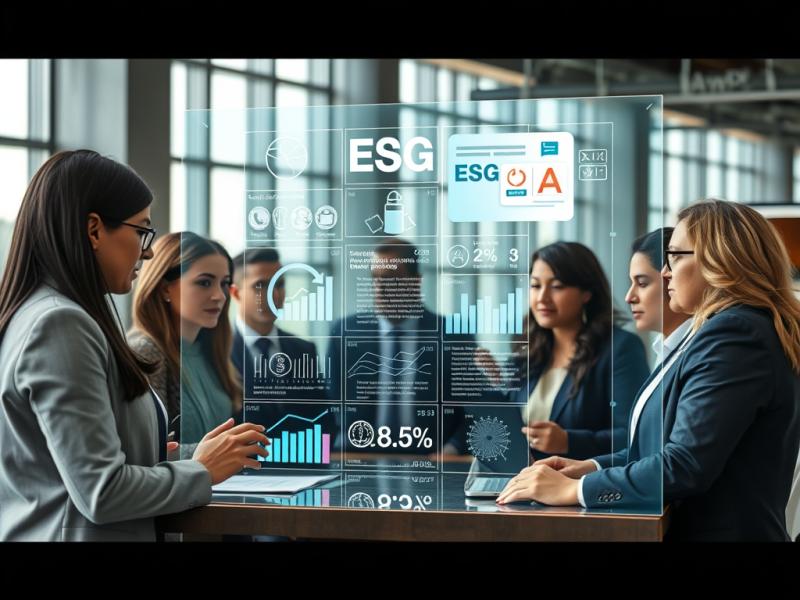
Your customer just sent an ESG questionnaire. Deadline: 60 days. Failure to comply: removal from approved vendor list.
Sound familiar? You're not alone. 63% of SME suppliers are facing this exact scenario right now. Large enterprise customers aren't asking about ESG anymore—they're demanding it. And they won't renew contracts without it.
Welcome to the new reality of supply chain management. ESG supplier assessment isn't optional—it's the price of doing business with enterprise clients and staying compliant with evolving regulations.
What Is Supply Chain ESG Assessment?
Supply chain ESG assessment is the systematic evaluation of your suppliers' environmental, social, and governance practices to identify risks, ensure compliance, and drive continuous improvement across your supply network.
You're examining three critical areas:
Environmental impact: Carbon emissions, waste management, energy usage, and climate commitments
Social responsibility: Labor practices, human rights, workplace safety, and diversity programs
Governance standards: Ethics policies, transparency, anti-corruption measures, and compliance frameworks
Why Supply Chain ESG Compliance Matters Now
Three forces are making supplier ESG assessment mandatory:
1. Regulatory Pressure: EU CSRD, Germany's LkSG, UK Modern Slavery Act, and US SEC climate rules now hold companies accountable for their entire supply chain.
2. Customer Demands: Enterprise clients require ESG data as a condition of vendor approval. Without compliance, you risk losing contracts, being excluded from RFPs, and facing contract non-renewal.
3. Financial Stakes: Companies face regulatory fines up to €20 million, lost revenue from major clients, and increased costs when scrambling for last-minute compliance.
Real example: A European retailer paid €4.2 million in fines and lost 23% market value after suppliers violated labor standards.
What Your Customers Are Actually Asking For
Enterprise clients evaluate suppliers across four critical areas:
1. Carbon Footprint & Climate Data: Your GHG emissions (Scope 1, 2, 3), energy usage, and decarbonization roadmap. Your customers need this to report their Scope 3 emissions under CSRD and SEC climate rules.
2. ESG Ratings & Certifications: EcoVadis scores (45+ acceptable, 65+ preferred), CDP ratings, and ISO certifications. These standardize supplier comparisons and demonstrate credibility.
3. Supply Chain Due Diligence: Proof you're managing ESG risks in your own supply chain—Supplier Code of Conduct, screening processes, audit results, and traceability systems.
4. Labor & Social Compliance: Evidence of fair wages, workplace safety, human rights protection, diversity programs, and prevention of child/forced labor.
How to Conduct Effective Supplier ESG Assessment
Phase 1: Map Your Supply Chain (Weeks 1-2)
List all suppliers and categorize by spend, criticality, and location
Identify high-risk suppliers based on geography, industry sector, and spend volume
Prioritize critical suppliers for initial assessment
Phase 2: Set ESG Standards (Week 3)
Review customer requirements and select relevant frameworks (GRI, SASB, ISO 26000)
Develop or adopt a Supplier Code of Conduct
Define minimum vs. preferred ESG standards
Phase 3: Deploy Assessments (Weeks 4-8)
Create ESG questionnaires covering all relevant topics (20-30 questions to start)
Implement supplier portal for data collection
Provide guidance and support resources to suppliers
Monitor responses and validate data
Phase 4: Analyze & Score (Weeks 9-10)
Score suppliers using weighted criteria
Identify red flags and critical issues
Categorize suppliers into risk tiers (low, medium, high)
Phase 5: Drive Improvement (Ongoing)
Share results with suppliers
Develop corrective action plans for high-risk suppliers
Offer training and capacity-building support
Schedule follow-up assessments quarterly or annually
Phase 6: Report Compliance
Compile data into dashboards
Track metrics: % suppliers assessed, average ESG score, risk reduction
Prepare responses to customer questionnaires
Document improvements for stakeholders
Common Challenges (And Solutions)
Lack of Standardized Metrics: Adopt widely recognized frameworks (GRI, SASB) and use platforms like EcoVadis that standardize across customers.
Supplier Resistance: Simplify initial questionnaires, provide clear guidance and templates, offer training webinars, and build capability gradually.
Data Verification: Cross-reference self-reported data with third-party sources, require evidence for critical claims, and conduct sample audits for high-risk suppliers.
Cost Concerns: Build business cases showing total cost of non-compliance, factor ESG into total value assessments, and recognize that ESG leaders deliver better quality and reliability.
Turning ESG Assessment into Competitive Advantage
Win More Business: RFPs increasingly include ESG criteria. Companies with documented supplier ESG programs score higher and win more contracts. One UK manufacturer won a €3.2M contract over a cheaper competitor due to comprehensive supplier ESG management.
Command Premium Pricing: Suppliers with EcoVadis Gold/Platinum ratings command 8-12% price premiums versus non-rated competitors.
Reduce Risk: Companies with robust programs experience 31% fewer supply chain disruptions, 27% lower quality incidents, and 40% better supplier retention.
Attract Investment: ESG-focused investors increasingly screen for supply chain risks, offering better terms to companies with strong programs.
Conclusion: Act Now
Supply chain ESG assessment has moved from "nice to have" to "must have." Companies that act now—systematically assessing suppliers and building robust documentation—will thrive. Those that wait risk losing major customers, facing penalties, and falling behind competitors.
Ready to take control of your supply chain ESG compliance?
Impact Maker's Supply Chain ESG Assessment provides everything you need: proven frameworks, supplier-friendly technology, automated analysis, and expert guidance.
Start your free ESG assessment today: https://funnel.impactmaker.co/68f6b3db584337003cc9941f/
In just 15 minutes, you'll receive a personalized assessment of your current readiness and a clear roadmap for improvement.
Since 2023, ImpactMaker has helped 28+ suppliers maintain vendor status with Fortune 500 clients through pragmatic, business-focused ESG compliance programs. Your largest client's next ESG questionnaire could arrive tomorrow—will you be ready?
About ImpactMaker
ImpactMaker helps SMEs (50-750 employees) respond to enterprise ESG requirements and build competitive supply chain sustainability programs. Ready to discuss your specific challenges? Schedule a free consultation: Book a Call.

Post Your Ad Here
Comments