Creating Seamless Navigation: The Role of Custom Wayfinding Signs in Large Facilities
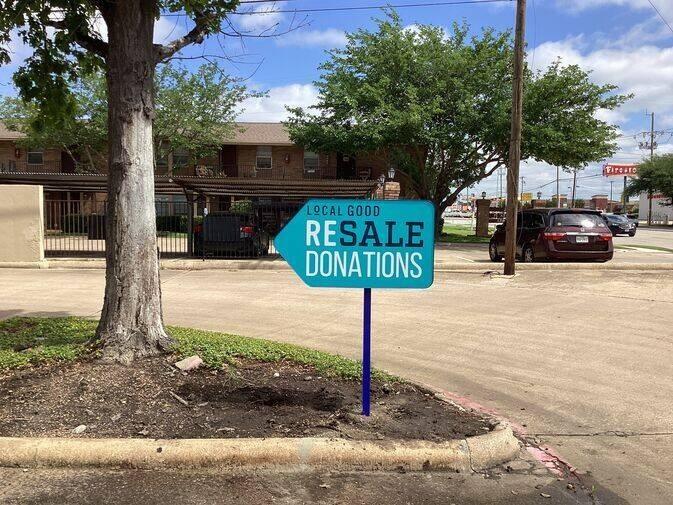
In today’s fast-paced world, people expect clarity and convenience wherever they go — from hospitals and airports to corporate campuses and shopping malls. When a visitor enters a large facility, the ability to navigate without confusion is essential to creating a positive experience. This is where custom wayfinding signage plays a crucial role.
Whether you manage a multi-floor office building, a healthcare complex, or a sprawling university campus, effective wayfinding signs do more than just point directions — they communicate your brand’s professionalism, improve traffic flow, and enhance user satisfaction.
What Is Wayfinding Signage?
Wayfinding signage refers to the visual cues — including directional signs, maps, symbols, and floor graphics — that help people move efficiently through a space. These signs guide visitors to their destination, prevent confusion, and reduce the need for human assistance.
A well-designed wayfinding system typically includes:
-
Directional signs: Indicating pathways to key areas like restrooms, departments, or exits.
-
Identification signs: Labeling rooms, floors, or departments.
-
Informational signs: Providing additional context, such as opening hours or accessibility options.
-
Regulatory signs: Ensuring safety and compliance with local codes.
When these elements are thoughtfully designed and strategically placed, they create an intuitive journey for every visitor — without requiring them to ask for help.
Why Custom Wayfinding Signs Matter in Large Facilities
Large facilities often have complex layouts that can easily confuse first-time visitors. Standard or generic signs might fail to address unique spatial challenges or align with your brand’s design language. That’s why custom wayfinding signage is so valuable.
Here are the main reasons custom designs make a difference:
1. Enhanced User Experience
The main goal of wayfinding is to make navigation effortless. Custom signage allows you to use consistent color codes, fonts, and symbols that align with your building’s layout and your brand identity. This visual consistency builds trust and comfort — visitors subconsciously feel guided and cared for.
2. Brand Reinforcement
Every touchpoint in a facility reflects its identity, and signage is no exception. Custom wayfinding signs can incorporate your brand’s colors, logo, and typography to create a cohesive look throughout your space. This transforms simple navigation tools into an extension of your brand story.
3. Improved Operational Efficiency
When people can find their way easily, it reduces frustration and saves staff time. In facilities like hospitals, efficient navigation can even have life-saving implications. For businesses, clear signage helps customers reach service areas faster — improving satisfaction and overall workflow.
4. Accessibility and Inclusivity
Modern custom wayfinding designs take into account accessibility needs, including tactile Braille lettering, ADA compliance, and high-contrast visuals for people with low vision. This ensures your facility is welcoming to everyone, regardless of ability.
5. Long-Term Cost Efficiency
Though custom signage requires an upfront investment, it pays off in the long run. Durable materials, consistent design systems, and flexible mounting options ensure signs last longer and remain effective even as layouts change.
Design Principles Behind Effective Wayfinding Signage
Creating a successful wayfinding system is both a science and an art. Here are key design principles professionals follow:
1. Clarity and Simplicity
Messages must be short, direct, and readable from a distance. Using universal icons alongside text improves comprehension for diverse audiences.
2. Consistency
All signs should follow a unified design language — consistent fonts, colors, and shapes make navigation intuitive.
3. Visibility
Strategic placement and proper lighting are essential. Signs should be positioned at decision points — intersections, elevators, and entryways — where visitors naturally pause.
4. Logical Flow
Wayfinding should tell a story, guiding users step by step from entrance to destination. A logical sequence minimizes confusion and enhances spatial memory.
5. Integration with Architecture
Custom signage should complement the architectural and interior design of the facility. When integrated seamlessly, it enhances aesthetics rather than cluttering the space.
Applications Across Different Sectors
Custom wayfinding signage serves a wide range of industries, each with unique needs:
-
Healthcare Facilities: Clear signs reduce patient anxiety and help them locate departments, wards, or emergency exits quickly.
-
Educational Campuses: Students and visitors can easily navigate multiple buildings, classrooms, and auditoriums.
-
Corporate Offices: Streamlined internal navigation boosts productivity and creates a professional environment.
-
Shopping Malls and Airports: Directional and digital wayfinding systems help manage heavy foot traffic efficiently.
-
Hotels and Resorts: Signs guide guests effortlessly through amenities like restaurants, spas, and conference halls.
The Future of Wayfinding: Digital Integration
As technology advances, many facilities are integrating digital wayfinding systems — interactive kiosks, QR code maps, and mobile navigation apps — alongside traditional signage. These digital tools enhance flexibility, allowing real-time updates and multilingual options.
However, static custom signage remains the foundation of any effective system. The best results often come from combining both digital and physical solutions — creating a truly seamless navigation experience.
Conclusion
In large facilities, navigation is more than just moving from point A to point B — it’s about creating a positive, stress-free experience for every visitor. Custom wayfinding signage plays a pivotal role in achieving that goal by combining clarity, design, and brand identity.
From improving user satisfaction to reinforcing brand consistency, investing in professional, well-planned wayfinding solutions ensures that your facility is not just functional — but welcoming, efficient, and memorable.
Post Your Ad Here
Comments