How Frequently Should Forklift Operators Receive Refresher Training?
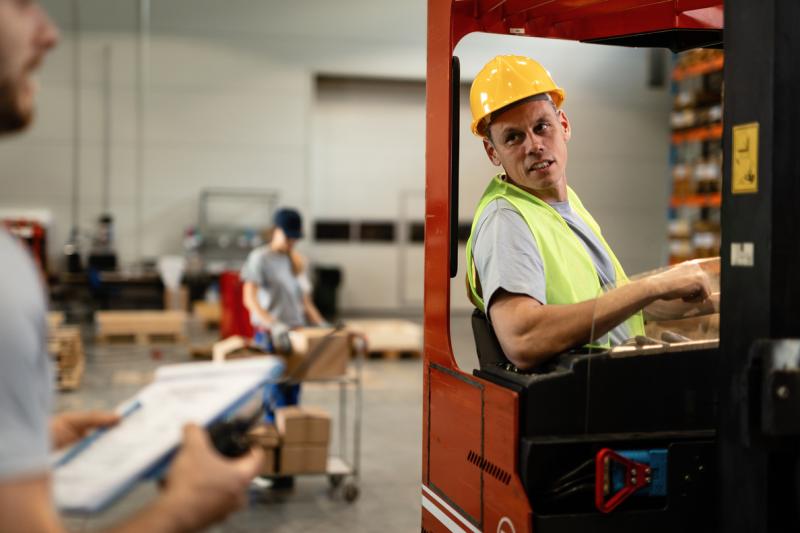
Forklifts are essential tools in various industries, from warehousing to construction, enabling efficient movement and handling of heavy materials. However, without regular training, forklift operations can become hazardous, leading to accidents that endanger both operators and bystanders. To ensure safety and efficiency, forklift operators need refresher training at appropriate intervals. But how often is this training necessary, and what factors influence the timing?
In this
article, we’ll explore the importance of refresher training for forklift
operators, the frequency recommended by industry standards, and how forklift training services in Surrey, Hampshire and Croydon can help
operators stay compliant and skilled.
Why Is Refresher Training Important for Forklift
Operators?
Refresher
training is crucial for forklift operators for several reasons:
- Skill Reinforcement and
Hazard Awareness:
Over time, operators can become complacent or develop bad habits.
Refresher training reinforces best practices, reminds operators of
potential hazards, and ensures they remain vigilant.
- Adapting to Changes in
Equipment and Regulations: With technological advancements, forklift
models and safety protocols often evolve. Training updates operators on
any new features or regulatory changes, helping them operate newer models
safely and remain compliant with workplace safety laws.
- Reducing Accidents and
Enhancing Safety: A
well-trained operator is less likely to cause accidents. Refresher courses
can lower accident rates, leading to fewer injuries and less downtime due
to damaged equipment.
- Compliance with Regulatory
Standards: In
many regions, health and safety regulations mandate periodic refresher
training. For example, OSHA in the United States requires training
whenever there’s an indication of unsafe operation, an accident, or a
change in workplace conditions that could affect safety.
Recommended Frequency for Refresher Training
While
there isn’t a universal standard for how often operators should receive
refresher training, various guidelines offer recommendations:
- Every Three Years: Many health and safety
standards suggest that operators should undergo refresher training every
three years. This timeframe helps maintain competency, ensuring that
operators stay updated with the latest safety protocols and technological
developments.
- Following an Accident or
Near-Miss: If
an operator is involved in an accident or near-miss incident, refresher
training is typically recommended. This approach helps address any skill
gaps or unsafe practices that may have contributed to the incident.
- Changes in Equipment or
Workplace Environment: When new forklifts are introduced or
significant changes are made to the operating environment, such as a
reorganization of the warehouse layout, operators should undergo
additional training. New equipment often requires operators to learn
specific handling techniques, and a changed workspace may come with new
safety considerations.
- Observed Decline in
Performance: If
supervisors notice a decline in an operator’s performance, such as
reckless driving or consistent safety lapses, refresher training should be
arranged. This helps maintain high standards and prevents potentially
dangerous habits from becoming ingrained.
For
operators in Hampshire, Surrey, and Croydon, these training standards are
crucial, as these areas often feature warehouses, construction sites, and
industrial facilities where forklift use is common. Local providers of forklift training in Croydon, Hampshire and Surrey can offer
industry-specific refresher courses that meet both regulatory and safety needs.
Benefits of Regular Refresher Training
Investing
in refresher training brings multiple benefits for both operators and
employers:
- Enhanced Operational
Efficiency:
Well-trained operators work more efficiently, reducing material handling
time and minimizing the risk of damaging goods. This operational advantage
is especially significant in high-demand areas such as Surrey and Croydon,
where warehouses and distribution centers play a critical role in the
supply chain.
- Compliance with Legal
Standards: In
the UK, the Health and Safety Executive (HSE) recommends that operators
undergo training every few years to comply with workplace safety laws.
Regular refresher training ensures that operators in Hampshire, Surrey,
and Croydon remain compliant, reducing the risk of legal repercussions.
- Cost Savings: Accidents caused by poorly
trained operators can lead to costly repairs, legal issues, and
compensation claims. Refresher training mitigates these costs by
preventing accidents, making it a worthwhile investment for companies.
- Improved Job Satisfaction: Operators who receive
regular training feel more competent and valued, leading to greater job
satisfaction and, ultimately, lower turnover rates. By engaging in
refresher courses, operators enhance their skills and boost their
confidence.
Choosing a Reliable Training Provider
Finding a
reputable training provider is essential for effective refresher courses. When
selecting a provider in areas like Hampshire, Surrey, and Croydon, consider the
following factors:
- Certification and
Credentials:
Look for providers that comply with local and international forklift
training standards. Certification ensures that the training adheres to
safety protocols and industry best practices.
- Customized Course Offerings: Different industries have
different requirements, so choose a provider that tailors courses to
specific industries, such as warehousing, construction, or retail. This
ensures that operators receive relevant training for their particular work
environments.
- Hands-On Training: Practical, hands-on
training is essential for forklift operation. Providers should offer
realistic training environments where operators can practice skills and
simulate real-life scenarios.
- Experienced Trainers: The experience and
expertise of trainers play a significant role in the effectiveness of
refresher courses. Trainers with industry experience can provide valuable
insights, making the training more relevant and impactful.
- Flexibility and Availability: In busy regions like
Croydon and Surrey, where the demand for forklift operations is high,
training providers that offer flexible schedules can help companies
arrange training without disrupting operations.
Conclusion
Regular
refresher training is vital for maintaining safe and efficient forklift
operations, especially in high-demand regions like Hampshire, Surrey, and
Croydon. A recommended interval of every three years, along with additional
training following incidents or equipment changes, can keep operators sharp,
reduce accident rates, and enhance compliance with health and safety
regulations.
By
choosing a reputable training provider, businesses can ensure their forklift
operators remain well-equipped to handle the challenges of their roles.
Investing in quality training not only fulfills legal obligations but also
fosters a culture of safety, efficiency, and professionalism, ultimately
benefiting both operators and the organization as a whole.
If you’re
looking for reliable forklift training in Hampshire, Surrey, or Croydon, consider
reaching out to a certified provider who can help you create a safer and more
productive workplace.

Post Your Ad Here
Comments (1)
Ankaoutdoor Com3
ankaoutdoor
best toilet cubicle & restroom company