What Is a Skip Bin? A Complete Guide for Australians
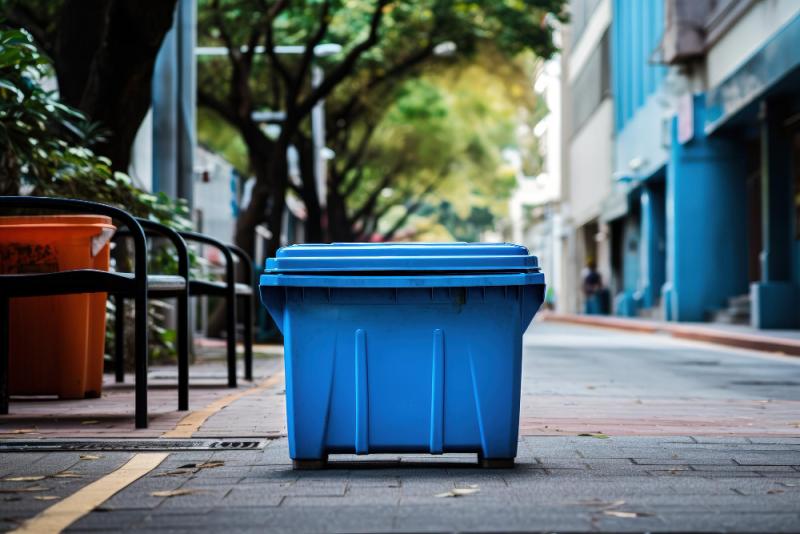
Ever stared at a pile of old furniture, garden waste, or renovation debris and thought, “How on earth do I get rid of all this?” That’s where skip bins come to the rescue. In Australia, skip bins are the go-to solution for homes, businesses, and construction sites alike. They make clearing waste simple, safe, and stress-free.
In this guide, we’ll cover everything you need to know about skip bins, what they are, the different types, how to choose the right size, and tips for hiring skip bins in Australia.
What Exactly Is a Skip Bin?
A skip bin is a large, open-top container designed for rubbish. Picture a giant trash can delivered to your property: you fill it up, and the skip bin company collects it for disposal or recycling.
Skip bins are perfect for waste that’s too bulky or heavy for standard council collection, like:
-
Construction and demolition debris
-
Old furniture and appliances
-
Garden clippings and tree branches
-
General household junk
Types of Skip Bins in Australia
Brisbane skip bin providers offer a variety of sizes and styles to suit different needs:
-
Mini Skips (2–3 cubic meters): Ideal for small home renovations or spring cleaning projects.
-
Midi Skips (4–6 cubic meters): Perfect for bigger garden clean-ups or medium-sized construction jobs.
-
Large Skips (8–12 cubic meters): Great for large-scale renovations or demolition waste.
-
Roll-on/Roll-off Bins (10+ cubic meters): Used mainly for commercial projects and major construction sites.
How to Choose the Right Skip Bin Size
Choosing the right size prevents overpaying and avoids the frustration of an overflowing bin. Here’s a simple approach:
-
Estimate your waste volume in cubic meters.
-
Match it to the skip bin size.
-
Ask your provider for advice; they handle these questions every day.
Tip: Always round up slightly to make sure you have enough space.
What You Can (and Can’t) Put in a Skip Bin
Most skip bins accept general household or construction waste. But in Australia, certain items are banned for safety and environmental reasons:
-
Not allowed: Asbestos, chemicals, tyres, paints, batteries, fridges/freezers (without proper handling).
-
Allowed: Timber, metals, plastics, bricks, concrete, household junk, garden waste.
Check with your provider for a full list before you start filling your bin.
How to Hire a Skip Bin in Australia
Hiring a skip bin is simple if you follow these steps:
-
Pick the right size and type based on your waste.
-
Find a reputable provider, look for reviews, licenses, and eco-friendly disposal practices.
-
Schedule delivery and pick-up at times that work for you.
-
Fill it responsibly and avoid overloading or adding banned items.
Pro tip: Some councils in Australia require permits for skip bins on public streets. Check local regulations to avoid fines.
Skip Bin Costs in Australia
Skip bin pricing usually depends on:
-
Size of the bin – larger bins cost more.
-
Type of waste – some items, like construction waste, can be pricier to dispose of.
-
Rental duration – most companies charge per day or per week.
For a typical home clean-up, mini skips are usually the most affordable option. Always request a clear quote before booking.
FAQs About Skip Bins
Q: How long can I keep a skip bin?
A: Most providers offer 3–7 days, but extensions are usually possible for an extra fee.
Q: Can I put my skip bin on the street?
A: Only with council permission. On private property, you usually don’t need a permit.
Q: Do skip bins get recycled?
A: Many Australian skip bin companies sort and recycle waste wherever possible. Ask your provider about their recycling policies.
Final Thoughts
Skip bins are a stress-free way to manage large amounts of waste, whether you’re tackling a home renovation, clearing out your garden, or managing construction debris. By choosing the right size, hiring a reliable skip bins provider in Gold Coast, and following local guidelines, you can make clean-ups easy, safe, and eco-friendly.


Comments