Chemical-Free Swimming What Natural Pools Really Mean
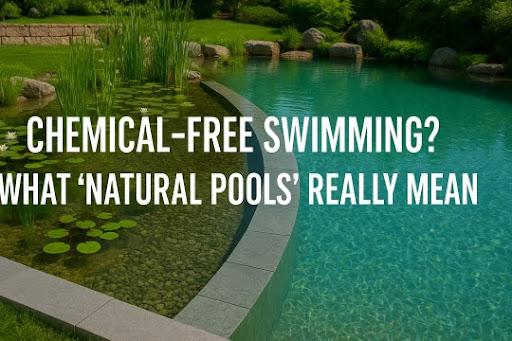
The idea of swimming in crystal-clear water,without chlorine, bromine, or any synthetic chemicals,sounds too good to be true. Yet, a growing number of homeowners are asking for just that: chemical-free swimming.
Natural pools, also known as swimming ponds or bio-pools, are marketed as the eco-friendly, skin-friendly, and aesthetically pleasing alternative to traditional chlorinated pools. But what do they actually involve,and are they as low-maintenance and safe as they seem?
Here’s what you need to know before diving into the world of natural pools.
What Is a Natural Pool?
A natural pool is a man-made swimming area that mimics the self-cleaning processes found in lakes and wetlands. Instead of relying on chemicals to kill bacteria and algae, it uses:
Biological filtration through plants and beneficial bacteria
Mechanical filtration via skimmers and gravel beds
A regeneration zone, separate from the swimming area, where plants purify the water
Water circulates continuously between the swimming zone and the regeneration zone, staying clean through natural ecological balance.
The Core Components of a Natural Pool
Natural pools may vary in design, but most include:
Swimming zone , where people swim. This part is lined and often looks like a traditional pool.
Regeneration zone , a shallow area with aquatic plants like reeds, water lilies, and grasses.
Pump and circulation system , moves water between zones to maintain flow and filtration.
Biological filter , a gravel or rock bed with microorganisms that break down organic matter.
When designed and maintained properly, natural pools can stay clear, safe, and free of synthetic chemicals year-round.
Are They Truly “Chemical-Free”?
Yes,natural pools eliminate the need for chlorine, bromine, or saltwater chlorinators. But that doesn’t mean they are maintenance-free or hands-off.
They still require:
Water testing (though not for chemical levels)
Pump maintenance and seasonal care
Managing plant health and balance
Debris skimming and sediment removal
While the water may be less harsh on skin and eyes, it won’t have the sterile “pool smell” of traditional setups. The water is biologically alive, which means trace microbes are present,but in a healthy, self-regulated balance.
Companies like Vista Pools LLC now offer natural pool installation and hybrid models that combine aesthetics with low-impact water care.
Climate Considerations
Natural pools thrive in temperate or warm climates where plant life can flourish. If you're based in the desert southwest, for instance, consulting a local expert in Henderson pool service
can help determine if native plants and materials can sustain the filtration ecosystem.
Cold climates require different design considerations, such as deeper regeneration zones or hybrid heating systems.
FAQs
Is a natural pool safe for kids?
Yes, when designed correctly. The water is clean but not sterile. Supervision is still required, as with any swimming body. Sloped entries and shallow plant zones should be fenced or protected for toddlers.
Can I convert my traditional pool into a natural one?
In many cases, yes. Conversions involve reconfiguring your plumbing, installing a regeneration zone, and removing chlorination systems. Work with a professional like Vista Pools LLC to assess feasibility.
Will the water turn green or murky?
If properly maintained, no. Algae is naturally present but is kept in check by competition from plants and microbes. Clear water is achievable,but it won’t always look like a hotel pool.
How much does it cost to build a natural pool?
Natural pools often start at $80,000 to $120,000, depending on design, size, and location. Ongoing maintenance costs are generally lower, as you're not purchasing chemicals.
What kind of plants are used in natural pools?
Common choices include:
Hornwort
Water lilies
Reeds and grasses
Duckweed
Marsh marigold
These plants absorb nutrients and outcompete algae, helping keep the water balanced.
Conclusion: Natural Pools Offer Beauty with Responsibility
Natural pools provide a compelling alternative to traditional chlorine systems. They offer chemical-free swimming, lush visual appeal, and environmental harmony. But they also require understanding, seasonal upkeep, and design precision.
If you value sustainability and are open to a more organic swimming experience, a natural pool might be the right choice. Before starting, consult with professionals who specialize in ecological water systems. Whether you're seeking a full build-out or exploring hybrid options, Vista Pools LLC and trusted Henderson pool service providers can guide the journey.
Clear water doesn’t have to come from chemicals,it can come from nature, engineered with care.

Comments