Contact Lens Case Design Boxes: A Complete Guide to Modern Packaging Innovation
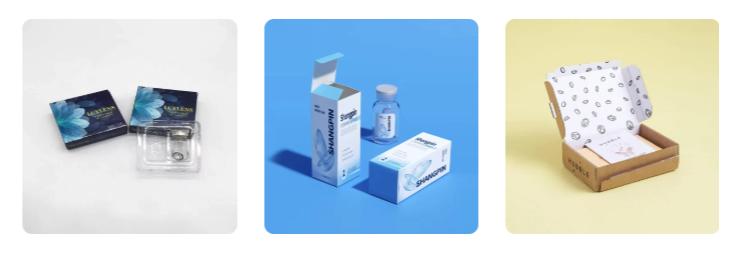
In the competitive world of optical products, packaging plays an essential role far beyond mere protection. Contact lens case design boxes have evolved into powerful tools for branding, hygiene, convenience, and sustainability. Whether it’s a luxury lens brand or an affordable daily-wear option, the way contact lenses are packaged can significantly impact consumer perception and purchasing decisions.
This article explores how the design, structure, and functionality of contact lens case boxes are changing — and why innovation in this niche packaging segment is vital for brands looking to stand out in a crowded marketplace.
Why Packaging Matters in the Contact Lens Market
The contact lens industry blends health, beauty, and technology — three categories where trust and presentation are paramount. Packaging for contact lenses must convey safety, hygiene, and precision, while also appealing to lifestyle and aesthetic expectations.
Consumers today associate packaging quality with product quality. A well-designed contact lens case box communicates care, professionalism, and value. Moreover, as more consumers purchase lenses online, unboxing experiences have become a central part of brand storytelling and customer retention.
Core Functions of Contact Lens Case Design Boxes
1. Protection and Sterility
The primary purpose of any packaging is to protect the product. Contact lenses require sterile environments, meaning packaging must guard against moisture, dust, and bacterial contamination.
Boxes are typically constructed using rigid paperboard or coated cartons that shield blister packs or vials, ensuring product safety during storage and transit.
2. Ease of Storage and Use
Contact lens packaging must be compact, durable, and easy to open. Good design ensures that the lenses and their accompanying case fit snugly inside, reducing the chance of damage while enhancing user convenience.
3. Brand Communication
A contact lens box is a mini billboard. From typography to color psychology, every element communicates a message — whether that’s clinical precision, luxury appeal, or eco-conscious innovation. Leading brands use minimalist design, matte finishes, and embossed textures to establish trust and visual distinction.
4. Compliance and Information Display
Medical and cosmetic packaging must meet regulatory labeling standards. This includes ingredient lists, expiration dates, manufacturer details, and usage instructions. Well-designed boxes balance this information elegantly without compromising visual appeal.
Key Design Trends in Contact Lens Case Boxes (2025 and Beyond)
1. Sustainability and Eco-Friendly Materials
Consumers are increasingly aware of the environmental impact of single-use plastics and non-recyclable materials. As a result, packaging companies are introducing eco-friendly contact lens boxes made from:
-
Recycled cardboard and paperboard
-
Biodegradable laminates
-
Plant-based plastics and biopolymers
-
Soy-based or water-based inks
Brands that adopt sustainable materials not only reduce waste but also appeal to environmentally conscious consumers — a growing demographic among Gen Z and millennials.
2. Minimalist and Modern Aesthetics
The minimalist trend continues to dominate packaging design. For contact lens boxes, simplicity conveys purity and professionalism. Think clean layouts, white or pastel backgrounds, fine typography, and subtle metallic accents.
Minimalism also supports functionality: consumers can easily identify essential product information at a glance. This is especially important in optical retail, where packaging often competes on shelves in pharmacies and e-commerce product pages.
3. Custom and Luxury Finishes
Luxury contact lens brands increasingly use high-end finishing techniques to differentiate themselves. These include:
-
Foil stamping (silver, gold, or holographic)
-
Embossing and debossing for texture
-
Spot UV coating for visual contrast
-
Magnetic or slide-out rigid boxes for premium unboxing experiences
These tactile elements elevate perceived value and enhance brand memorability — crucial in a market where lenses are often similar in performance but differ in brand identity.
4. Smart Packaging and Digital Integration
Technology is reshaping how contact lens boxes communicate with consumers. Smart packaging features are becoming more common, including:
-
QR codes linking to usage tutorials or authenticity verification pages
-
AR (Augmented Reality) visuals that show lens colors or fitting demos
-
NFC tags for reordering and subscription management
-
Track-and-trace codes for supply chain transparency
These digital elements not only build engagement but also reinforce trust, particularly for medical-grade products.
5. Ergonomic and User-Centric Design
Practicality remains essential. A well-designed contact lens case box must ensure effortless handling, storage, and recycling.
Recent innovations include:
-
Slide-tray designs that organize lenses and accessories
-
Foldable compartments for travel-sized convenience
-
Reusable cases integrated with the outer box for sustainability
User-centric packaging reduces frustration, improves product experience, and fosters brand loyalty.
Materials Commonly Used in Contact Lens Packaging
The choice of material determines both the durability and sustainability of contact lens packaging. Common materials include:
| Material Type | Description | Benefits |
|---|---|---|
| Paperboard | Lightweight yet durable; often used for retail packaging | Eco-friendly, printable, cost-effective |
| Rigid Boxboard | Premium-grade material for high-end brands | Strong structure, luxurious feel |
| Plastic (PET/PP) | Used for protective inner trays or transparent windows | Moisture resistance, hygienic appeal |
| Biodegradable Films | New eco-materials made from cornstarch or cellulose | Sustainable and compostable |
| Recycled Kraft Paper | Brown textured paper used in minimalist designs | Natural aesthetic, fully recyclable |
Combining these materials smartly allows brands to achieve both functionality and aesthetics without compromising sustainability.
Sustainability: The New Standard in Contact Lens Packaging
As environmental consciousness becomes a business imperative, packaging design is shifting toward circular economy principles. This includes:
-
Designing for recyclability – using mono-materials or clearly labeled disposal instructions.
-
Reducing plastic usage – replacing inserts or trays with paper-based solutions.
-
Optimizing size and weight – minimizing materials to reduce carbon footprint during transport.
-
Encouraging reusability – offering refillable cases or subscription-friendly packaging.
Many brands are also partnering with recycling organizations to manage post-consumer waste and promote eco-education.
The Role of Branding in Contact Lens Case Design
Visual storytelling is the core of modern packaging. For contact lenses, effective branding involves:
1. Typography and Color Psychology
Typography should communicate clarity and precision. Sans-serif fonts are popular for their modern and clinical look, while color palettes often revolve around blues (trust), whites (cleanliness), and silvers (technology).
2. Logo Placement and Consistency
A consistent logo placement — typically centered or upper-left aligned — enhances brand recognition.
3. Lifestyle Imagery
Some brands integrate subtle visuals like eyes, water, or minimal icons to convey hydration, clarity, and comfort — reinforcing the emotional connection with users.
4. Differentiation by Lens Type
Distinct visual cues help users quickly identify between daily, monthly, or colored lenses, minimizing confusion and improving shelf navigation.
Contact Lens Box Design for E-Commerce and Shipping
With more consumers buying contact lenses online, packaging must withstand shipping conditions while maintaining visual appeal.
Important considerations include:
-
Compact, stackable dimensions for courier efficiency
-
Protective inserts to prevent movement and breakage
-
Tamper-evident seals for safety assurance
-
QR-coded instructions that reduce printed leaflets
In addition, brands should optimize packaging weight to minimize shipping costs — a key factor for subscription-based lens delivery services.
Custom Packaging: Tailoring Design to Brand Identity
Custom design is where creativity meets functionality. Packaging manufacturers offer a wide range of customization options for contact lens case boxes, such as:
-
Custom die-cuts for unique box shapes
-
Branded inserts or molded trays
-
Personalized sleeve wraps for promotional campaigns
-
Limited-edition prints tied to influencer or seasonal marketing
Customized packaging not only strengthens brand identity but also boosts perceived exclusivity — a major driver for repeat purchases in the beauty and lifestyle sector.
Cost Considerations in Contact Lens Box Design
The cost of packaging is influenced by factors such as material choice, printing method, and order volume. While eco-friendly or luxury finishes may increase initial costs, they often yield higher returns through brand differentiation and customer loyalty.
To balance cost and quality, companies should:
-
Order in bulk for economies of scale
-
Opt for local material sourcing
-
Use digital printing for small-batch or prototype runs
-
Limit unnecessary coatings and inserts
Sustainability can be both cost-efficient and brand-enhancing when approached strategically.
Future Outlook: Smart, Sustainable, and Personalized
The next decade of contact lens case design boxes will likely be defined by personalization, sustainability, and technology integration. Expect to see:
-
3D-printed prototypes for faster design testing
-
Bioplastic packaging with reduced carbon emissions
-
Interactive smart boxes that sync with mobile apps for reminders or lens care guides
-
AI-driven customization for dynamic on-demand printing
Brands that embrace these innovations early will gain a strong advantage in customer loyalty and environmental leadership.
The Art and Science of Contact Lens Packaging
Contact lens case design boxes exemplify the perfect blend of aesthetics, functionality, and responsibility. They protect sensitive medical products, communicate brand values, and reflect the growing demand for sustainable innovation.
In 2025 and beyond, the most successful packaging strategies will combine minimalist design, eco-conscious materials, and smart technology to create experiences that resonate with modern consumers.
Ultimately, great packaging doesn’t just hold a product — it builds trust, strengthens identity, and enhances everyday life.

Comments