Jute vs. French Linen Bite Tugs: Which Material is Best for Your Dog?
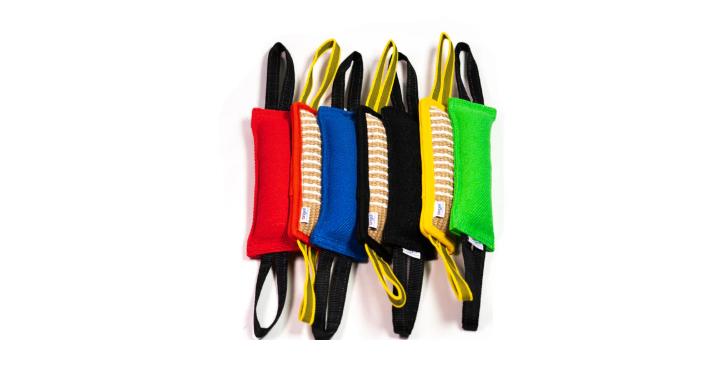
Choosing the right training gear for your dog can make all the difference in building proper grip, confidence, and obedience. Among the various options available for bite training, jute and French linen stand out as the two most popular materials used to make bite tugs. Each offers unique benefits, making the choice between them a matter of understanding your dog’s needs, training goals, and experience level.
Whether you’re training a working dog, a sport competitor, or simply engaging your pet in structured play, knowing the difference between jute and French linen can help you select the most suitable dog bite tug for your training routine.
Understanding Bite Tug Materials
A dog bite tug toy is designed to help dogs build jaw strength, control, and focus through interactive tugging sessions. The choice of material significantly affects how durable, safe, and comfortable the toy will be for both the dog and the handler.
Jute and French linen are the two primary fabrics used in professional-grade tugs. Both are tough, but they differ in texture, flexibility, and resistance — factors that directly impact training effectiveness.
What Is Jute?
Jute is a natural fiber derived from plants, often used in making burlap or sackcloth. In bite tugs, jute offers excellent durability and a slightly rough texture, making it ideal for developing a firm bite grip.
Key Characteristics of Jute Bite Tugs:
Durability: Extremely tough and long-lasting, suitable for strong chewers.
Texture: Coarse surface provides a better grip for dogs learning to bite firmly.
Eco-Friendly: Made from natural fibers, biodegradable, and safe for dogs.
Ideal For: Puppies, beginners, and dogs learning to build bite confidence.
Advantages:
Promotes solid bite development due to its texture.
Resistant to tearing and hard bites.
Great for outdoor use; easy to clean and maintain.
Drawbacks:
The rough texture can be harsh on sensitive mouths or young puppies.
Over time, it may fray with aggressive chewing or weather exposure.
What Is French Linen?
French linen is a synthetic fabric made from tightly woven fibers, known for its soft yet strong texture. It is often used by professional trainers for advanced training due to its smoothness and flexibility.
Key Characteristics of French Linen Bite Tugs:
Soft Texture: Gentle on the dog’s mouth while maintaining durability.
Flexibility: Easier to handle for complex bite exercises.
Aesthetic Appeal: Sleek appearance and lightweight feel.
Ideal For: Intermediate to advanced dogs or sport training.
Advantages:
Gentle on gums and teeth, reducing the risk of mouth irritation.
Lightweight, allowing quick, precise movements during training.
Maintains shape and strength even with repeated use.
Drawbacks:
Slightly less resistant to sharp or powerful bites compared to jute.
May wear out faster under heavy tugging from large breeds.
Jute vs. French Linen: Side-by-Side Comparison
Both materials are excellent, but their suitability depends on the stage of your dog’s training and the intensity of use.
Which Material Should You Choose?
The best material for your dog’s bite tug depends on your training objectives and your dog’s experience level.
1. For Beginners and Puppies – Jute
If your dog is new to bite training, jute is the perfect starting material. Its coarse texture encourages a strong, confident grip, helping dogs understand how to bite and hold properly. Additionally, the natural fibers make it safe and durable for early-stage training.
2. For Advanced or Sensitive Dogs – French Linen
For dogs that already have established bite strength, French linen provides a softer surface that allows for speed and precision. It’s also ideal for dogs with sensitive gums, ensuring comfortable yet effective grip practice.
3. For Trainers Working on Technique – French Linen
Because of its flexibility, French linen allows trainers to perform more dynamic exercises and improve targeting accuracy, making it popular in sports like Schutzhund and protection training.
4. For Heavy Biters and Outdoor Training – Jute
Jute is the go-to material for intense training or outdoor sessions. Its durability ensures the tug withstands rough surfaces, dirt, and moisture without tearing easily.
Maintenance and Care Tips
Regular Cleaning: Both jute and French linen should be wiped with a damp cloth after use. Avoid soaking them in water.
Check for Damage: Inspect seams and handles regularly to ensure safety.
Store Properly: Keep the tug in a dry place, away from direct sunlight or moisture to maintain material integrity.
Supervise Training: Never leave your dog unsupervised with the bite tug to prevent accidental chewing or damage.
Regular Cleaning: Both jute and French linen should be wiped with a damp cloth after use. Avoid soaking them in water.
Check for Damage: Inspect seams and handles regularly to ensure safety.
Store Properly: Keep the tug in a dry place, away from direct sunlight or moisture to maintain material integrity.
Supervise Training: Never leave your dog unsupervised with the bite tug to prevent accidental chewing or damage.
The Final Verdict
Both jute and French linen bite tugs have their place in effective dog training. If you’re just starting or training a puppy, jute offers the durability and grip resistance needed to build foundation strength. For advanced handlers or sensitive dogs, French linen delivers comfort, flexibility, and precision control.
Ultimately, many professional trainers keep both materials in their toolkit, using jute for power-building sessions and French linen for technique refinement. The best choice is the one that matches your dog’s current skill level, training purpose, and comfort.
Whether you’re using a simple jute tug or a premium dog bite tug toy, consistency and safety matter most. When used properly, these tools not only strengthen your dog’s bite and focus but also deepen your bond through structured, rewarding play.
Post Your Ad Here
Comments