Why Stainless Steel Wire Mesh Is the Ideal Choice for Industrial Filtration
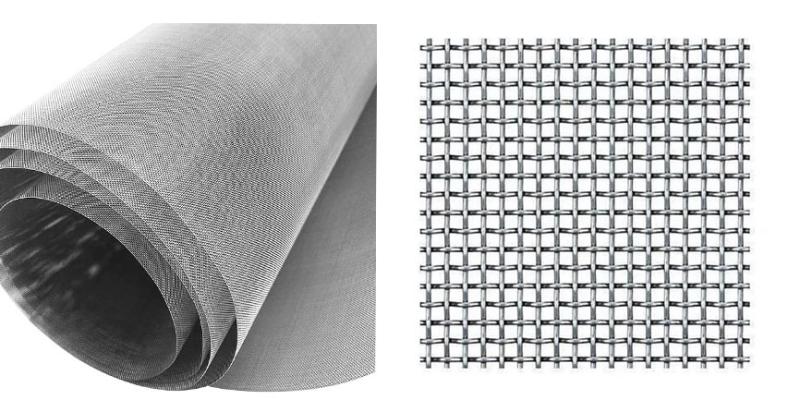
Industrial filtration plays a critical role in maintaining the efficiency, safety, and quality of manufacturing and processing operations. Whether it’s separating impurities in chemicals, refining petroleum, or purifying air and water, the choice of filtration material directly affects performance and productivity. Among all available materials, stainless steel wire mesh stands out as one of the most reliable and versatile solutions for industrial filtration systems.
Its strength, durability, and resistance to corrosion make it the preferred choice across multiple sectors, from oil and gas to pharmaceuticals and food processing. In this article, we’ll explore why stainless steel wire mesh has become the industry standard for high-performance filtration applications.
1. Exceptional Strength and Durability
The first and most important advantage of stainless steel wire mesh is its mechanical strength. Industrial filtration often involves exposure to high pressure, temperature fluctuations, and harsh working environments. Stainless steel offers excellent tensile strength and structural stability, ensuring that the mesh does not deform or break under stress.
Unlike plastic or fabric filters that tear or wear out over time, stainless steel maintains its shape and integrity even under demanding conditions. This means fewer replacements, lower maintenance costs, and a longer service life — all contributing to improved operational efficiency.
2. Corrosion and Chemical Resistance
In industries where filters are exposed to chemicals, moisture, and corrosive substances, material degradation is a major concern. Stainless steel’s natural resistance to oxidation and corrosion makes it ideal for such environments.
Grades like SS304 and SS316 are particularly popular because they can withstand acidic or saline conditions without rusting or leaching contaminants into the product stream. This resistance ensures that filtration systems continue to perform efficiently and hygienically, even after prolonged use.
For instance, chemical plants, desalination systems, and food processing units benefit greatly from stainless steel’s non-reactive surface — a key factor in maintaining product purity and system reliability.
3. Precision Filtration and Uniform Aperture
One of the defining features of stainless steel mesh is its uniform aperture size. This uniformity ensures consistent filtration accuracy, allowing industries to achieve precise separation of particles. Whether it’s removing fine impurities from liquids or trapping solid contaminants from air streams, stainless steel mesh delivers consistent results every time.
Manufacturers use different types of wire mesh cloth, such as plain weave, twill weave, or Dutch weave, depending on the level of filtration required. For fine filtration, Dutch weave meshes are ideal as they provide smaller openings and greater strength. The even distribution of pores helps prevent clogging and allows smooth flow, improving filtration efficiency.
4. High Temperature Tolerance
Industrial filtration systems often operate in extreme temperatures. Materials like nylon or polyester cannot withstand high heat and tend to deform, melt, or lose their filtering capability. In contrast, stainless steel wire mesh can endure high temperatures without compromising performance.
This property makes it especially useful in industries such as metallurgy, petrochemicals, and power generation, where heat resistance is crucial. Stainless steel maintains its mechanical and structural integrity in temperatures exceeding 800°C, making it a trusted solution for both hot gas and liquid filtration.
5. Easy Cleaning and Reusability
Another major reason why stainless steel mesh is preferred for industrial filtration is its ease of cleaning. Unlike disposable filter media that need frequent replacements, stainless steel mesh can be cleaned, sterilized, and reused multiple times.
Its smooth metallic surface resists clogging and allows easy removal of trapped particles. Cleaning methods like ultrasonic washing, reverse flow, or chemical soaking can effectively restore its filtration performance. This not only reduces downtime but also minimizes waste and operational costs over the long term.
6. Optimal Wire Mesh Weight for Performance
The wire mesh weight plays a crucial role in determining its filtration capacity and mechanical performance. Heavier meshes typically offer more strength and durability, making them suitable for coarse filtration or high-pressure applications. Lighter meshes, on the other hand, allow higher flow rates and are perfect for fine filtration where precision matters.
Choosing the right wire mesh weight ensures a balance between durability, flow rate, and filtration efficiency. Industrial engineers often calculate the appropriate mesh weight based on process conditions like pressure, flow rate, and particle size. This flexibility allows stainless steel mesh to be customized for nearly any type of filtration setup.
7. Cost-Effectiveness and Sustainability
While the initial cost of stainless steel may be higher than synthetic materials, its longevity and reusability make it a far more cost-effective solution in the long run. Because it can withstand harsh conditions and be cleaned repeatedly, the replacement frequency is much lower.
Additionally, stainless steel is 100% recyclable, contributing to a more sustainable industrial operation. Many manufacturers are now shifting to stainless steel filters as part of their eco-friendly initiatives, reducing waste and overall lifecycle costs.
8. Versatility Across Industries
The adaptability of stainless steel wire mesh extends far beyond traditional filtration. It is used in air filtration systems, oil and gas separators, pharmaceutical processing, and even in water treatment plants. Its hygienic, non-reactive nature makes it safe for food-grade and medical-grade filtration as well.
For example:
Chemical and Petrochemical Industries: Used in catalyst recovery, gas purification, and fluid filtration.
Food and Beverage Sector: Ensures hygiene by filtering impurities without altering product quality.
Mining and Metallurgy: Separates solid materials and assists in ore refining processes.
This versatility makes stainless steel mesh an indispensable material in modern industrial filtration systems.
Conclusion
In a world where industrial processes demand precision, durability, and efficiency, stainless steel wire mesh emerges as the most dependable filtration solution. Its combination of strength, corrosion resistance, temperature tolerance, and reusability makes it unmatched by other materials.
From fine wire mesh cloth used in delicate filtration to heavier meshes optimized through calculated wire mesh weight, stainless steel provides a level of performance that meets the diverse needs of modern industries.
Whether in oil refineries, water treatment plants, or food processing facilities, stainless steel wire mesh ensures clean, consistent, and reliable results, making it the ultimate choice for industrial filtration systems.
For More Article https://www.apsense.com/article/browse
Post Your Ad Here
Comments