The Future of Digital Marketing: AI, Personalization, and Customer-Centric Strategies
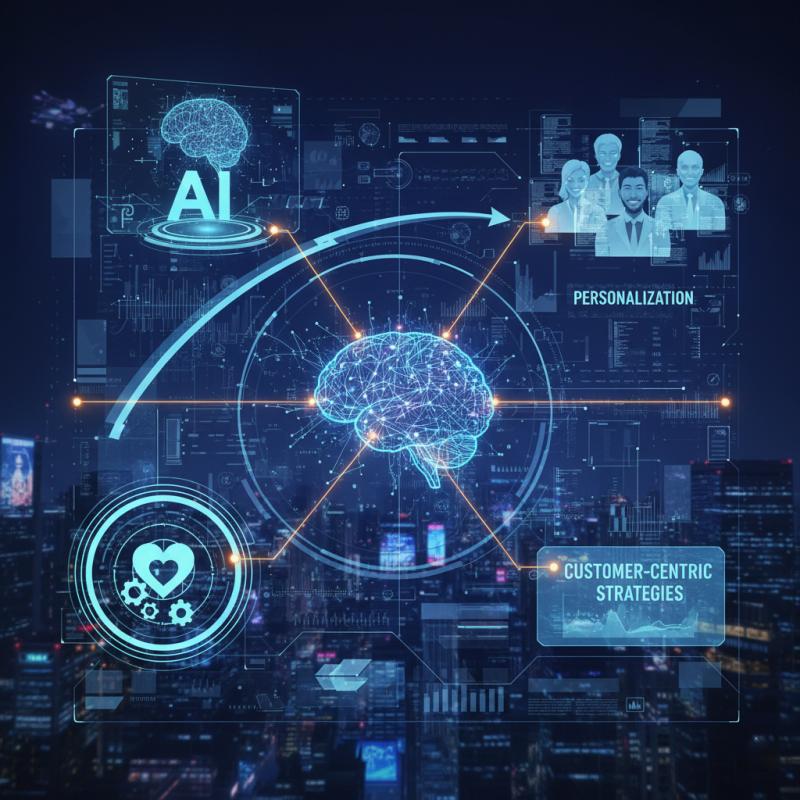
The digital marketing landscape is evolving at an unprecedented pace. What worked yesterday may be obsolete tomorrow. As we navigate through 2025 and beyond, three powerful forces are reshaping how brands connect with their audiences: artificial intelligence, hyper-personalization, and customer-centric strategies. Understanding and leveraging these trends isn't just an advantage—it's essential for survival in the modern marketplace.
The AI Revolution in Digital Marketing
Artificial intelligence has moved from buzzword to business imperative. Today's AI-powered marketing tools can predict customer behavior, automate complex campaigns, and deliver insights that would take human analysts weeks to uncover. Machine learning algorithms analyze millions of data points in real-time, enabling marketers to make split-second decisions that maximize ROI.
Chatbots and conversational AI are transforming customer service, providing 24/7 support while gathering valuable data about customer preferences and pain points. Predictive analytics help brands anticipate customer needs before they even express them, creating proactive marketing opportunities that feel almost magical to consumers.
Hyper-Personalization: Beyond First Names
Gone are the days when adding a customer's first name to an email subject line was considered personalization. Today's consumers expect experiences tailored to their unique preferences, behaviors, and contexts. Hyper-personalization uses AI, real-time data, and behavioral analytics to deliver individualized content, product recommendations, and offers.
Dynamic website content that adapts based on visitor behavior, personalized video messages, and customized product bundles are becoming standard expectations. Brands that master hyper-personalization see engagement rates increase by up to 300% and conversion rates double compared to generic campaigns.
The key is collecting and utilizing first-party data ethically and transparently. Build comprehensive customer profiles that track preferences, purchase history, browsing behavior, and engagement patterns across all touchpoints.
Customer-Centric Strategies: Putting People First
The future belongs to brands that genuinely prioritize customer experience over short-term profits. Customer-centric marketing means understanding the entire customer journey, identifying pain points, and creating seamless experiences across all channels.
This approach requires breaking down silos between marketing, sales, and customer service. Every interaction should feel connected and informed by previous engagements. Omnichannel strategies ensure customers can start their journey on one platform and seamlessly continue on another without friction.
Voice Search and Conversational Marketing
With smart speakers in millions of homes and voice assistants on every smartphone, optimizing for voice search is no longer optional. Voice queries are longer, more conversational, and intent-driven. Adapt your SEO strategy to target natural language patterns and question-based keywords.
Conversational marketing through messaging apps, live chat, and social media DMs creates immediate, personal connections with prospects. This real-time engagement significantly shortens sales cycles and improves customer satisfaction.
Privacy-First Marketing in a Cookieless World
As third-party cookies disappear and privacy regulations tighten globally, marketers must adapt to a privacy-first paradigm. Building trust through transparent data practices isn't just ethical—it's profitable. Consumers are willing to share data with brands they trust in exchange for genuine value.
Focus on building owned audiences through email lists, loyalty programs, and community platforms. Create compelling value propositions that encourage customers to willingly share their information. Zero-party data—information customers intentionally provide—is becoming the most valuable asset in digital marketing.
Immersive Experiences: AR, VR, and the Metaverse
Augmented reality and virtual reality are creating unprecedented opportunities for immersive brand experiences. From virtual try-ons to interactive product demonstrations, these technologies bridge the gap between online and offline shopping experiences.
Forward-thinking brands are already establishing presence in metaverse platforms, creating virtual showrooms, hosting events, and building communities in digital spaces. While still emerging, these channels represent significant opportunities for early adopters.
Sustainability and Purpose-Driven Marketing
Modern consumers, especially younger generations, expect brands to stand for something beyond profits. Purpose-driven marketing that authentically communicates your brand's values and commitment to social and environmental responsibility resonates deeply with today's conscious consumers.
Transparency about supply chains, sustainability initiatives, and social impact isn't just good PR—it's a competitive differentiator that builds lasting customer loyalty.
The Integration Imperative
The future of digital marketing isn't about choosing between AI, personalization, or customer-centricity—it's about integrating all three into a cohesive strategy. Use AI to enable personalization at scale. Let personalization inform your customer-centric approach. Allow customer feedback to guide your AI implementations.
The brands that will dominate tomorrow's marketplace are being built today. They're investing in AI capabilities, obsessing over customer experience, and personalizing every interaction. The question isn't whether you'll adopt these strategies—it's whether you'll lead the transformation or scramble to catch up.
The future of digital marketing is here. Are you ready to claim your place at the forefront, or will you watch your competitors leave you behind?





Post Your Ad Here
Comments