Reducing Wear and Tear: Best Practices for Cobblestone Crusher Longevity
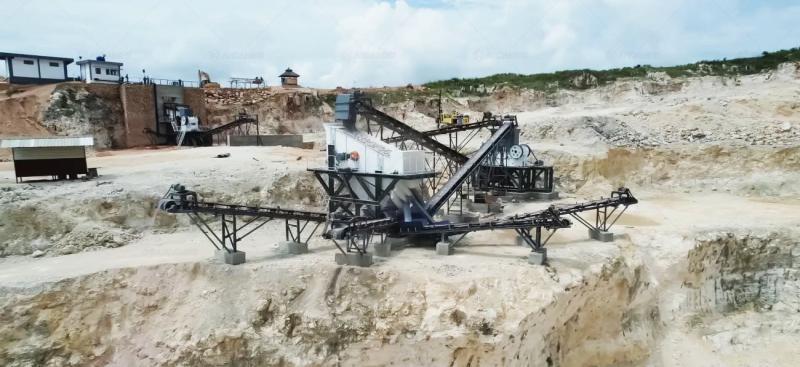
Cobblestone crushers are essential machinery in construction, road building, and landscaping projects. They allow contractors to efficiently crush cobblestones into aggregates suitable for concrete, asphalt, or decorative applications. However, like any mechanical equipment, cobblestone crushers experience wear and tear over time. This natural degradation can affect performance, increase maintenance costs, and shorten the machine’s lifespan if not properly managed. Implementing best practices to reduce wear and tear is crucial for maximizing efficiency and return on investment. This article explores key strategies for prolonging the life of a cobblestone crusher while maintaining high productivity, with special attention to rock crushing equipment.

Understanding Wear and Tear in Cobblestone Crushers
Wear and tear in a cobblestone crusher generally occur in high-stress areas such as jaws, hammers, impact plates, liners, and conveyor components. The hard and abrasive nature of cobblestones can accelerate material degradation, leading to decreased crushing efficiency, uneven particle sizes, and potential downtime. Recognizing the signs of wear—such as unusual noises, reduced output, and uneven aggregate size—is the first step toward proactive maintenance.
Cobblestone crushers are part of a broader category of rock crushing equipment, which includes jaw crushers, cone crushers, impact crushers, and portable units. Each type has its specific wear points and maintenance requirements. Understanding these nuances helps operators implement the right strategies to extend equipment life.
Selecting the Right Cobblestone Crusher for Your Needs
Choosing the appropriate cobblestone crusher for your project reduces unnecessary strain on the machine and minimizes wear. Consider factors such as:
-
Material Hardness: Some cobblestones are extremely hard, requiring crushers designed to handle high compression and impact forces.
-
Production Volume: Oversizing the machine for small-scale projects may increase wear due to inefficient operation, while undersizing it can overload components.
-
Aggregate Size Requirements: Crushers should be selected based on the desired output size to avoid excessive re-crushing, which accelerates wear.
By matching the crusher type to your operational needs, you reduce stress on moving parts and lower maintenance frequency.
Regular Inspection and Preventive Maintenance
Routine inspection is a cornerstone of reducing wear in rock crushing equipment. Key practices include:
-
Checking Liners and Plates: Regularly inspect jaw plates, cone liners, and impact plates for cracks, wear, and erosion. Replace worn parts promptly to avoid damaging other components.
-
Lubrication: Ensure bearings, shafts, and moving parts are properly lubricated. Poor lubrication increases friction, heat, and wear.
-
Belt and Conveyor Maintenance: Inspect conveyor belts, pulleys, and rollers. Misaligned or damaged belts can cause uneven load distribution, increasing stress on the crusher.
-
Fastener Tightening: Loose bolts, nuts, and mounting brackets can cause vibration and misalignment, accelerating wear in mechanical components.
Preventive maintenance not only prolongs the crusher’s life but also ensures consistent output quality.

Optimal Operating Practices
How a cobblestone crusher is operated has a significant impact on wear and tear. Best practices include:
-
Avoid Overloading: Feeding the crusher beyond its capacity increases stress on jaws, hammers, and motor components, accelerating wear.
-
Consistent Feeding: Use uniform feeding techniques to prevent sudden impacts, which can damage liners and hammers.
-
Control Moisture Content: Excessively wet cobblestones can cause clogging and increase abrasive wear, while overly dry, dusty material may increase friction and heat generation.
-
Gradual Start-Up: Avoid sudden full-load start-ups, which can shock the mechanical components.
By following these operating protocols, contractors can significantly extend the service life of their cobblestone crushers.
Using Wear-Resistant Materials and Parts
Investing in high-quality, wear-resistant materials for critical components is one of the most effective ways to reduce wear. Many manufacturers offer options such as:
-
Manganese steel jaw plates and liners for higher durability
-
Ceramic-coated hammers for impact crushers
-
Polyurethane or composite wear-resistant liners for conveyors
Upgrading to wear-resistant parts may increase initial costs but pays off in reduced downtime, fewer replacements, and higher overall efficiency.
Training and Skilled Operation
Human factors play a major role in the longevity of rock crushing equipment. Properly trained operators can:
-
Recognize early signs of wear and malfunction
-
Apply the correct feeding and operating techniques
-
Conduct routine inspections and minor adjustments
Regular training ensures that all personnel follow best practices consistently, preventing operator-induced wear.
Implementing Technology and Monitoring
Modern cobblestone crushers often come with monitoring systems that track vibration, temperature, and load. Integrating such technology allows operators to:
-
Detect abnormal stress or overheating
-
Schedule maintenance based on actual machine condition rather than fixed intervals
-
Avoid sudden breakdowns and extend component lifespan
These smart monitoring solutions are becoming increasingly common in advanced rock crushing equipment, enhancing both efficiency and durability.
Environmental and Site Considerations
Site conditions also affect wear. Dust, debris, and improper drainage can contribute to premature wear of moving parts. Minimizing exposure to abrasive elements, providing protective covers, and maintaining clean feed areas are simple but effective strategies for prolonging equipment life.

Conclusion
Reducing wear and tear in cobblestone crushers is critical for maintaining productivity, lowering maintenance costs, and maximizing ROI. By selecting the right crusher, performing regular inspections, adopting proper operating practices, using wear-resistant materials, and training skilled operators, contractors can significantly extend the lifespan of their equipment. Modern monitoring technologies further enhance this by enabling predictive maintenance and real-time performance tracking.
Cobblestone crushers are a key segment of rock crushing equipment, and applying these best practices ensures consistent concrete and aggregate production for construction, landscaping, and infrastructure projects. Prioritizing equipment longevity not only safeguards your investment but also contributes to smoother project execution and reduced operational costs over time.

Post Your Ad Here
Comments