Postpartum Depression and Anxiety: Essential Tips for Recovery
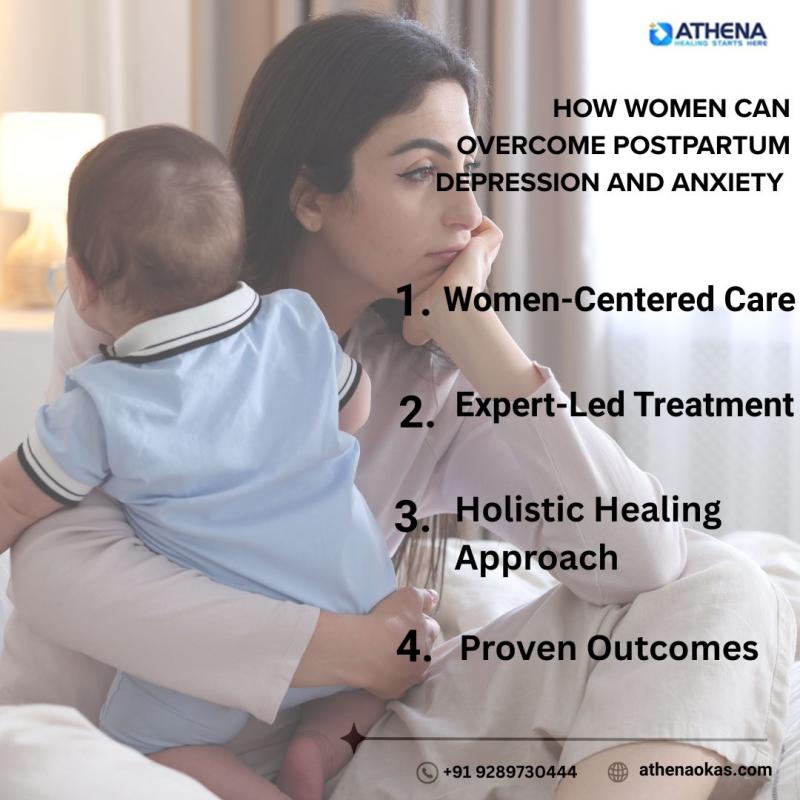
After childbirth, many women face the emotional and
psychological challenges of postpartum depression and anxiety. Though common,
these conditions are often underestimated, and many women suffer in silence.
This article provides effective tips for overcoming postpartum depression and
anxiety, stressing the importance of seeking professional support.
At Athena Okas, a reputable women’s
Postpartum Depression & Anxiety support centre in Gurgaon, we offer
specialized care for women facing these challenges. Whether you're struggling
with sadness, anxiety, or both, this guide offers key steps to help you recover
emotionally and mentally.
What Is Postpartum Depression and
Anxiety?
While “baby blues” are a normal part of the postpartum
experience, postpartum depression (PPD) is more serious and can last much
longer. The symptoms of postpartum depression include:
·
Persistent sadness or irritability
·
Difficulty finding joy in activities once loved
·
Feelings of guilt and worthlessness
·
Trouble connecting with your baby
·
Sleep disturbances (either insomnia or excessive
sleep)
·
Suicidal thoughts in severe cases
Postpartum anxiety, which can occur alongside postpartum
depression, includes symptoms such as:
·
Excessive worry about the baby’s health
·
Racing thoughts that prevent restful sleep
·
Panic attacks or physical symptoms like a rapid
heartbeat
·
Feeling overwhelmed by daily tasks
Both conditions can significantly affect your ability to
care for your baby and yourself, but with professional help, you can find
relief.
Steps for Overcoming Postpartum Depression and Anxiety
1. Seek Professional
Help
Consulting with a mental
health professional is one of the first and most important steps to
healing. At Athena Okas, we provide customized care for women suffering from
postpartum depression and anxiety through therapeutic treatments like Cognitive
Behavioral Therapy (CBT) and Interpersonal Therapy (IPT).
2. Consider
Medication
If your symptoms are severe, medication may be prescribed.
SSRIs and anti-anxiety medications are commonly used to treat postpartum
depression and anxiety. Always consult your healthcare provider to determine
the best course of action, especially if breastfeeding.
3. Create a Strong
Support System
A robust support system is crucial for emotional recovery.
Your family, friends, and partner can provide invaluable assistance, whether
through household help or emotional encouragement.
4. Focus on Physical
Wellness
A healthy body contributes to a healthier mind. Focus on
balanced nutrition, regular light exercise, and good sleep hygiene to support
your emotional recovery.
5. Practice
Mindfulness
Mindfulness exercises like deep breathing, meditation, and
muscle relaxation can help reduce anxiety and stress.
6. Be Patient with
Yourself
Understand that recovery is a process. Be kind to yourself,
acknowledge your progress, and remember that asking for help is a brave and
necessary step toward healing.
Athena Okas: The Support You Need
Athena Okas is dedicated to providing a
safe and supportive environment for women facing postpartum depression and
anxiety. Our team of experts is here to help you every step of the way, from
therapy to group support.
Conclusion
Postpartum depression and anxiety are real and challenging
conditions, but with proper support and treatment, recovery is possible. Reach
out to Athena Okas to begin your journey toward emotional wellness.
Frequently Asked Questions
1. What are the signs
of postpartum depression?
Common signs include
persistent sadness, irritability, fatigue, trouble bonding with your baby,
changes in appetite or sleep patterns, and overwhelming feelings of guilt or
worthlessness. If you’re experiencing any of these symptoms, it’s important to
seek professional help.
2. Can postpartum
anxiety affect a new mother?
Yes, postpartum anxiety can be just as prevalent as
postpartum depression. It can manifest as excessive worry, panic attacks,
racing thoughts, and fear of something happening to your baby.
3. How long does
postpartum depression last?
The duration of postpartum depression varies from woman to woman.
For some, symptoms may resolve within a few months, while others may experience
longer-term challenges. Seeking professional support can help reduce the
duration and intensity of symptoms.
4. How can I find a
postpartum depression support group near me?
Many hospitals, clinics, and rehab centers offer postpartum
support groups. Look for local options in your area or ask your healthcare
provider for recommendations. Athena Okas also offers group support for women
experiencing postpartum mental health challenges.
5. Is postpartum
depression treatable?
Yes, postpartum depression is treatable with a combination
of therapy, medication, and lifestyle changes. Early intervention is key to
effective recovery.
Post Your Ad Here
Comments