How Poor Sanitation Leads to Nursing Home Infections
It is not only a matter of looks for care homes to be clean; it is a matter of life and death. The elderly people who live in these homes often have weak immune systems, which makes them more likely to get sick. If you don't clean up after yourself, even a safe place can quickly become a place where diseases grow. Knowing how bad cleanliness can lead to infections in nursing homes can help families spot problems and make sure their loved ones are cared for in a safe and clean place.
The Link Between Sanitation And Infection
There aren't many places like nursing homes where a lot of people live close together and share bathrooms, dining rooms, and shared areas. Bacteria and viruses that are dangerous can spread quickly when staff don't follow good hygiene rules. When facilities don't follow their cleaning and sanitary routines, infections like urinary tract infections, respiratory illnesses, and stomach outbreaks happen a lot. Pathogens can live on surfaces like doorknobs, bed rails, medical equipment, and even personal care items that can affect people who are weak.
The Role of Staff Hygiene
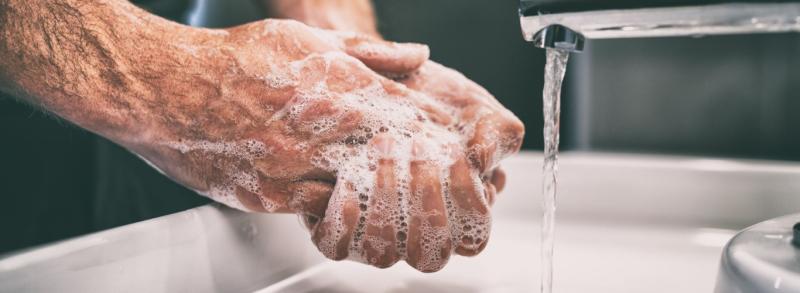
One of the most overlooked aspects of nursing home sanitation is staff hygiene. Caregivers and healthcare workers interact with multiple residents throughout the day, often helping with feeding, bathing, and wound care. Without proper handwashing between interactions, infections can transfer from one resident to another. Gloves and other protective gear must be changed regularly, and uniforms should be kept clean to prevent contamination. Staff training in infection control is essential, as even minor lapses can cause serious outbreaks in these sensitive environments.
Poor Facility Maintenance and Its Consequences
Sanitation is not limited to personal hygiene—it also includes the overall maintenance of the facility. Leaking pipes, mold growth, unclean ventilation systems, and dirty linens can all contribute to the spread of bacteria. Contaminated laundry can introduce pathogens back into residents’ rooms, while dirty kitchen areas can cause foodborne illnesses. When waste management is neglected, pests such as rodents or insects can carry infections through contaminated food or surfaces. Proper facility maintenance is vital to ensure residents are not exposed to harmful microorganisms.
Impact on Residents’ Health and Quality of Life
For elderly residents, even a minor infection can become life-threatening. Pneumonia, sepsis, and urinary tract infections can escalate quickly and require hospitalization. Being around dirty places for a long time lowers the immune system and raises the risk of getting infections again. In addition to physical health problems, poor sanitation affects mental well-being. Living in an unclean environment can cause distress, anxiety, and feelings of neglect among residents who rely on nursing staff for their safety.
Legal Accountability and Resident Rights
Families trust nursing homes to provide a clean, safe, and supportive environment. People can sue places when they don't follow through with their duty of care. Nursing home residents have the right to live in conditions that promote their health and dignity. If infections arise due to poor sanitation or negligence, legal action may be necessary to protect residents and prevent future harm. Understanding these rights and seeking guidance from professionals who specialize in elder neglect can make a difference in achieving justice for affected families.
Where to Learn More and Take Action
Awareness and proactive steps are key to ensuring the safety of nursing home residents. Families should regularly inspect facilities, ask questions about cleaning protocols, and monitor for signs of infection or neglect. If there are concerns about how poor sanitation has led to infection or injury, professional resources are available to help. For more information and legal assistance related to nursing home infections, visit https://nursinghomelitigator.com/practice-areas/infections/.
Final Thoughts
Sanitation standards in nursing homes are a reflection of the care and respect given to residents. When hygiene and cleanliness are compromised, lives are placed at risk. Recognizing the warning signs of poor sanitation and taking timely action not only protects loved ones but also encourages accountability within the elder care industry. Every resident deserves to live in a safe, clean, and nurturing environment—free from preventable infections caused by negligence.
Post Your Ad Here
Comments