Functional Exercises That Boost Athletic Performance Safely
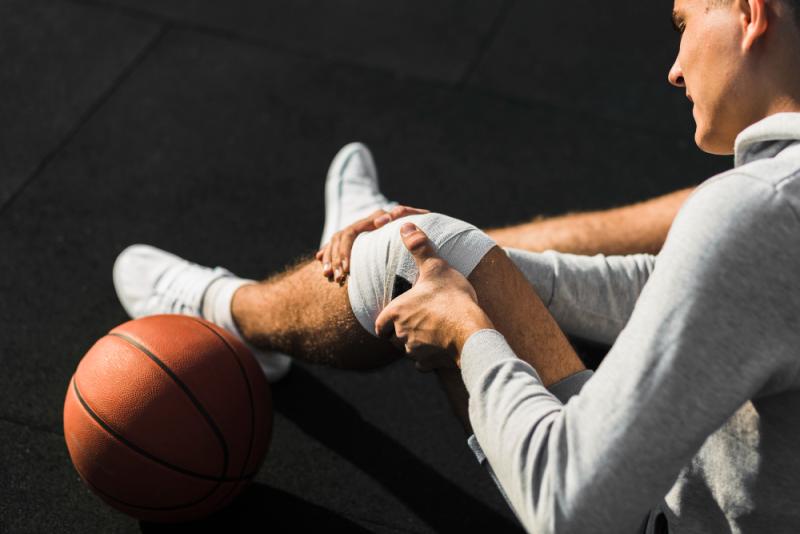
Athletes at every level—from weekend joggers to competitive players—know that performance isn’t just about pushing harder; it’s about training more innovatively. Functional exercises have become a core part of practical athletic training because they strengthen the body in ways that mimic real-life movements. For those exploring sports medicine in The Woodlands, these exercises are often recommended as a safe, sustainable way to improve performance while preventing injuries.
Functional training focuses on movements rather than isolated muscles, helping athletes build coordination, balance, and stability. You create a foundation for strength and longevity by targeting how your body moves.
1. Why Functional Training Matters for Athletes
Traditional workouts often isolate specific muscle groups, like bicep curls or leg extensions. While these can build strength, they don’t always prepare the body for the complex motions required in most sports. Functional training, on the other hand, engages multiple muscles and joints simultaneously—just like in athletic performance.
For example, squats, lunges, and rotational exercises train your body to move more efficiently and respond better under physical stress. Experts specializing in sports medicine in The Woodlands often emphasize these exercises because they reduce the risk of strain and overuse injuries common among athletes.
2. Top Functional Exercises to Try
Functional training doesn’t require complicated equipment—many exercises can be done using your body weight. Here are a few proven options that safely boost performance:
Squats:
A staple for building power, squats strengthen the quads, glutes, and hamstrings while improving joint mobility. They help athletes develop explosive strength for running, jumping, and sudden directional changes when performed correctly.
Lunges:
Lunges improve single-leg balance and stability, helping correct muscle imbalances. They also mimic real-world athletic movements, like sprint starts or pivoting in basketball and tennis.
Medicine Ball Throws:
These exercises build rotational power, essential for baseball, golf, and tennis. They also enhance coordination between the upper and lower body.
Planks and Stability Work:
Core strength supports nearly every athletic motion. Plank variations, side planks, and exercises on unstable surfaces like a BOSU ball help train the core to stabilize the spine and maintain balance during dynamic activities.
Deadlifts and Hip Hinges:
These movements reinforce proper lifting mechanics and strengthen the posterior chain, vital for sprinting, jumping, and endurance.
Integrating these exercises into your routine can enhance performance and resilience, creating a balanced foundation for more advanced training.
3. Preventing Injuries Through Smart Training
One of the most significant benefits of functional exercise is injury prevention. When your body moves efficiently, it distributes stress evenly across muscles and joints, reducing the chance of strain. Many athletes in sports medicine in The Woodlands programs focus on functional movement screening, which helps identify weak points and correct improper movement patterns before they lead to injuries.
Functional training also encourages active recovery—helping maintain mobility and blood flow while avoiding overtraining. It supports flexibility and stability, essential for athletes recovering from or trying to prevent injuries.
4. Balance, Recovery, and Progress
Performance isn’t only about how much you can lift or how fast you can move. It’s also about how well you recover and how efficiently your body performs repetitive motions. Functional training teaches body awareness, helping athletes understand how each part of their body contributes to movement.
By staying consistent with safe and balanced workouts, athletes can boost agility, endurance, and coordination without compromising joint health.
A Smarter Way to Train
Athletic performance isn’t just about raw power — it’s about how well your body moves, adapts, and recovers. Functional exercises help you build real-world strength, balance, and coordination, enabling you to train smarter, not just harder.
For those exploring sports medicine in The Woodlands, incorporating functional movement into your routine can make a lasting difference. By focusing on body awareness, proper form, and recovery, you’ll boost performance while keeping injuries at bay — helping you stay strong and consistent season after season.
Post Your Ad Here
Comments