What are Nitrosamines and Why is it Tough to Analyze them
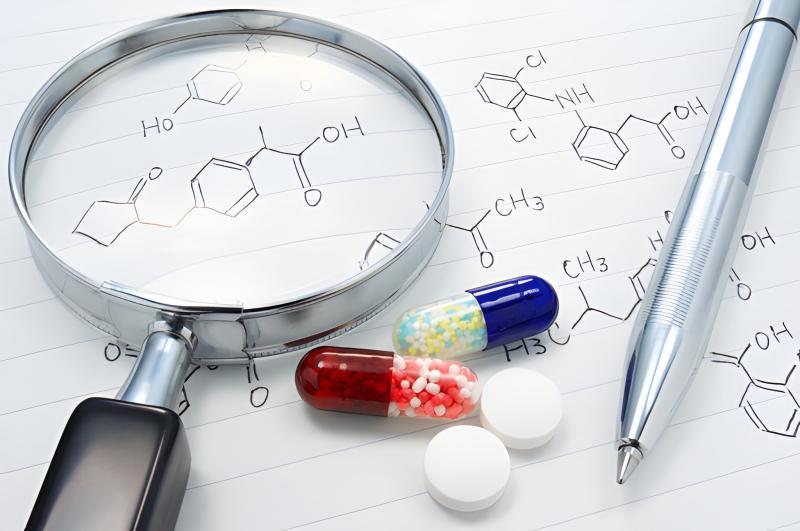
Nitrosamines are carcinogens produced by various natural and industrial processes. They are also found in a wide range of environments. In this blog, we are going to explain what nitrosamines are and why they are so dangerous. Additionally, we will list the sources of nitrosamines and the challenges faced in nitroamine testing.
Definition of Nitrosamines and Why They Are Dangerous
Nitrosamines (also known as n-nitrosamines) are a group of around 300 compounds. They all share the same basic N-N=O chemical structure. These nitrosamines are produced from a wide range of precursors under various conditions. Usually, when amines react with nitrosating agents in acidic conditions or at high temperatures, they are formed.
Several regulatory bodies and institutions have listed several nitrosamines as possible or known human carcinogens. The International Agency for Research on Cancer (IARC) has classified 24 n-nitrosamines as potentially cancer-causing. They have also identified N-Nitrosodimethylamine (NDMA) as "probably" a human carcinogen. Many studies have linked nitrosamines to development or reproductive toxicity, immunotoxicity, neurotoxicity, and systemic toxicity.
Sources of Nitrosamines
Nitrosamines are produced in several ways; their sources include foods, cosmetics, urine, disinfectants, cigarettes, rubber additives, dyes, steel, and polymers. They are also created from multiple industrial processes, such as printing, electroplating, dyeing, and tanning. Additionally, nitrosamines are produced during the manufacturing of pharmaceuticals, rubber, and pesticides, as well as in almost every kind of personal care product.
Challenges in Nitrosamine Testing
Take a look at some of the significant factors that make nitrosamine analysis challenging:
- Very Low Concentrations: If nitrosamines are present in water or soil at ng/1 or part-per-trillion levels, analysis becomes very expensive and time-consuming.
- Environmental Elements: Organic matter, metals, and other pollutants can make analysis difficult by masking or interfering with nitrosamine detection.
- Analytical Methods: Methods such as Solid Phase Extraction (SPE) or isolation of nitrosamines are very challenging, as they must be followed by complex instrument calibration and method validation using techniques such as GC-MS or LC-MS/MS.
- Lack of Standardized Methods: This can lead to inconsistent results across laboratories. As a result, it becomes tough to validate methods for each nitrosamine and sample type.
- Interferences and False Positives: Sometimes, when nitrosamine precursors such as amines and nitrates react during analysis, they can form nitrosamines artificially, or when laboratory materials containing nitrosamines lead to false positives.
Conclusion
As you can see, nitrosamines are very harmful, and it is pretty challenging to analyze them. Always buy high quality reference standards from a reputable and trusted supplier for a smooth analysis.
Post Your Ad Here
Comments