Poor Body Alignment: How Dubai Chiropractors Help You Stand Tall Again
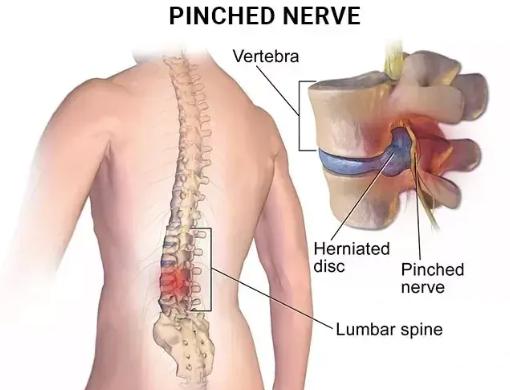
Poor
body alignment explained
Poor body alignment happens when
your head, shoulders, spine, hips, knees, and ankles don’t stack in their
natural positions. Over time, this imbalance overloads joints, tightens some
muscles while weakening others, and can trigger pain, fatigue, and reduced mobility.
Common signs include:
- Rounded shoulders, forward head, or a slouched upper
back
- Uneven shoulders or hips when standing
- Frequent neck stiffness, headaches, or jaw tension
- Lower back aches after sitting
- Knee or ankle discomfort during walks or workouts
- Feeling “crooked” in photos or mirrors
Also Check: Dubai Chiropractor on Poor Body Alignment
Why
it’s common in Dubai
Dubai’s fast-paced, desk-heavy
lifestyle and modern conveniences can quietly undermine posture:
- Long commutes and device use that push the head forward
- High-heel or fashion footwear increasing pelvic tilt
and foot strain
- Intense weekend sports leading to muscle imbalances
- Air-conditioned offices and low activity breaks
- Soft sofas and deep car seats encouraging slouching
- Rapid growth and stress, which tighten breathing
patterns and core stability
How
Dubai chiropractors assess alignment
A thorough posture evaluation looks
beyond pain points to find root causes:
- Health history and goals: job demands, training,
footwear, previous injuries
- Posture screening: front/side/back view, shoulder/hip
level, head position
- Functional movement: squat, hinge, gait, single-leg
balance
- Palpation and joint motion: where segments are stiff vs
hypermobile
- Neurological checks: reflexes, strength, sensation if
needed
- Imaging only when indicated: X‑rays or MRI for trauma,
persistent radicular symptoms, or red flags
You’ll receive a clear report showing what’s out of balance and how that affects your symptoms.
Evidence-based
chiropractic corrections
Chiropractors use hands-on and active-care
methods to restore alignment, reduce pain, and retrain posture.
Hands-on care:
- Spinal and extremity adjustments to improve joint
motion
- Gentle mobilization for those who prefer low-force
options
- Soft-tissue release for overactive traps, pecs, hip
flexors, calves
- Decompression/traction for disc-related irritation when
appropriate
- Instrument-assisted methods for precise, low-amplitude
input
- Kinesiology taping to cue posture and reduce strain
Active correction and rehab:
- Scapular setting and thoracic extension drills to
counter rounded shoulders
- Deep neck flexor activation for forward head posture
- Core and glute strengthening for pelvic control and
lumbar support
- Hip mobility and ankle dorsiflexion to improve squat
and gait mechanics
- Breathing retraining to reduce upper-trap overuse and
stabilize the spine
Ergonomic and lifestyle coaching:
- Desk setup: monitor at eye level, elbows at 90°, feet
supported
- Break strategies: microbreaks and posture resets
throughout the day
- Footwear guidance and custom orthotics when foot
mechanics drive alignment issues
- Sleep posture: side-lying with knee pillow or supine
with supportive pillow
- Load management for gym-goers and runners between
Marina, DIFC, and Dubai Hills style routines
Your
treatment roadmap
Outcomes vary by age, condition, and
consistency, but most plans follow phases:
- Relief phase (2–4 weeks): 1–2 visits per week to reduce
pain and stiffness, start gentle activation. Expect mobility gains and
easier sitting/standing.
- Correction phase (4–8 weeks): weekly or biweekly visits
plus a targeted home program. Focus on strength, endurance, and movement
quality.
- Stabilization/maintenance (ongoing): less frequent
tune-ups every 4–8 weeks, reinforcing habits and progressing exercise
loads.
Typical session includes
reassessment, a focused combination of adjustments/mobilization, soft-tissue
work, and 10–15 minutes of exercises you can replicate at home or the office.
Quick
alignment wins for Dubai residents
- Use the 20-8-2 rule each hour: 20 minutes sit, 8
minutes stand, 2 minutes move.
- Keep screens at eye level; bring the screen to you, not
your head to the screen.
- Hug the ribcage down when standing; imagine a string
lifting the crown of your head.
- Swap one high-heel day for supportive footwear; rotate
heel heights during the week.
- Carry laptops in a backpack with two straps; alternate
shoulders if using a tote.
- During commutes, keep hips back in the seat, head on
the headrest, and phone at eye level.
- Hydrate well; dehydration tightens fascia and reduces
tissue glide in A/C environments.
- In the gym, pair pushes with pulls: for every bench
set, add rows and T-spine mobility.
When
to see a chiropractor vs a doctor
Consult a chiropractor for:
- Persistent neck, mid-back, or low back discomfort
- Recurring headaches linked to posture
- Shoulder impingement or hip/knee pain related to
movement patterns
- Uneven shoulders/hips, forward head, or frequent
stiffness
Seek immediate medical evaluation if
you notice:
- Unexplained weight loss, fever, or night pain
- Numbness in the saddle area, bowel/bladder changes
- Progressive weakness, trauma, or known osteoporosis
with acute pain
Many clinics co-manage with physiotherapists, sports physicians, and podiatrists when cases require multidisciplinary care.
For more information, please visit: Dr. Gerry Nastasia, DC-Chiropractor Dubai
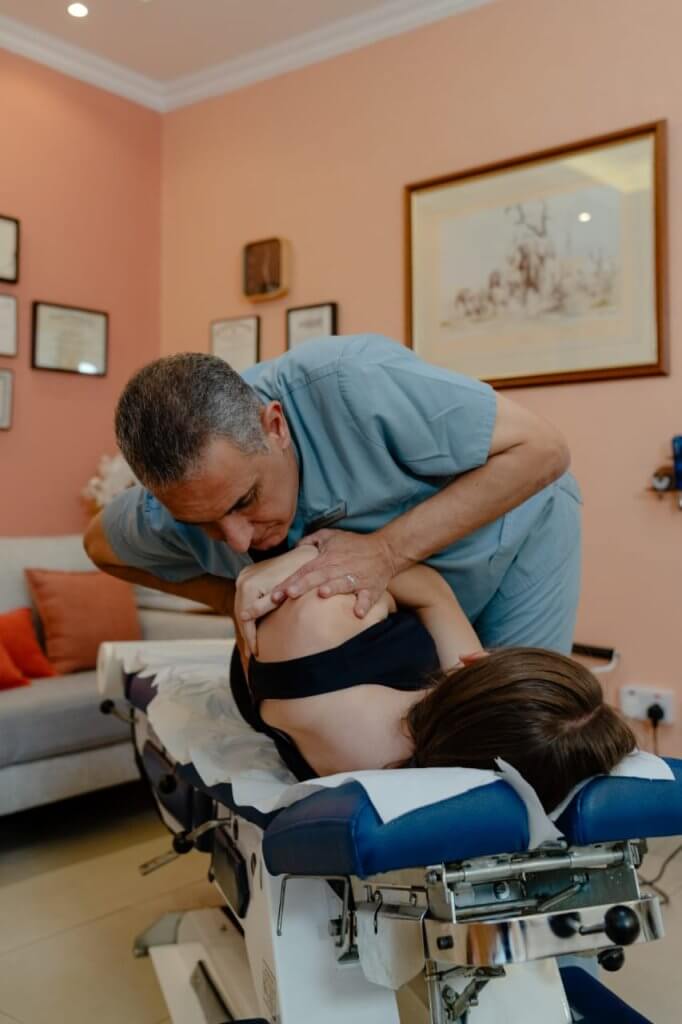
Frequently asked questions
Q: How long before I notice improvement?
A: Many people feel mobility changes within 2–3 visits, with noticeable posture
and endurance gains across 4–6 weeks when exercises and ergonomics are
consistent.
Q: Do adjustments hurt or require “cracking”?
A: Adjustments are typically comfortable. The popping sound is just gas
releasing from the joint. Low-force or instrument-assisted options work well if
you prefer no audible releases.
Q: Can chiropractic care help if I sit all day?
A: Yes. The combination of targeted mobility, strength, and workstation
adjustments addresses the exact stresses from prolonged sitting more
effectively than single-method approaches.
Q: Is it safe during pregnancy?
A: Trained chiropractors use pregnancy-safe techniques and tables. Many
expectant mothers seek care for pelvic and low-back alignment. Always inform
your clinician about your trimester and any complications.
Q: What if I have mild scoliosis?
A: While curves may not fully “straighten,” care can improve symmetry, comfort,
breathing mechanics, and function. Your plan will include mobility,
strengthening, and ergonomic strategies tailored to your curve pattern.
Take
the next step
If poor alignment is holding you back at work, in the gym, or on the weekend, book a posture assessment with a licensed chiropractor in Dubai. With a clear plan, small daily habits, and focused care, you can move freely, breathe better, and stand tall again.

Post Your Ad Here
Comments