Why Pneumatic Filters Are Critical for System Efficiency and Equipment Longevity
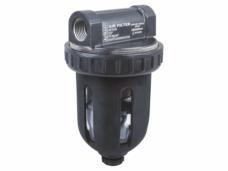
In every industrial automation setup, maintaining clean and efficient airflow is fundamental for performance, reliability, and cost savings. Pneumatic systems rely on compressed air to power various tools, valves, and actuators—but what happens when that air contains impurities like oil, water, or dust? Contaminated air can quickly damage components, reduce system lifespan, and increase maintenance costs. This is where the pneumatic filter becomes an essential component. Designed to purify compressed air before it reaches the equipment, a pneumatic filter helps businesses protect their systems and maintain peak efficiency.
Understanding the Role of a Pneumatic Filter
A pneumatic filter is a device that removes unwanted particles and moisture from compressed air before it enters sensitive components. Air compression can often introduce contaminants—whether from oil carryover, rust in pipelines, or dust particles from the environment. Even tiny impurities can cause wear, clogging, and loss of pressure, which lead to inefficient operation and unplanned downtime.
By installing a pneumatic filter at key points in the system, industries ensure that only clean, dry air flows through their machines. This seemingly small addition makes a significant difference in operational stability and energy efficiency.
Why Clean Air Is Crucial for Pneumatic Systems
In pneumatic automation, air is not just a medium—it’s the power source. Just like clean fuel is vital for an engine, clean air is vital for a pneumatic system. Contaminants can scratch seals, erode valve seats, and block air passages, eventually reducing equipment life and performance. Moreover, dirty air increases friction, causing components like cylinders and actuators to work harder, consume more energy, and wear out faster.
Using a pneumatic filter helps prevent these issues by maintaining consistent air quality. Clean air ensures smooth actuator motion, responsive valve operation, and uniform pressure delivery—factors that directly translate to better performance and lower operational costs.
Key Benefits of Using Pneumatic Filters
1. Improved Equipment Longevity:
The most immediate benefit of a pneumatic filter is the protection it provides to downstream components. By filtering out contaminants, it minimizes damage and extends the lifespan of critical equipment like air cylinders, valves, and tools.
2. Consistent System Performance:
A filter ensures that compressed air flows at a steady pressure and quality, preventing erratic performance or pressure drops that could disrupt production.
3. Reduced Maintenance Costs:
Clean air reduces wear and tear, which means fewer breakdowns and longer maintenance intervals. This results in significant cost savings over time.
4. Enhanced Productivity:
Reliable operation means fewer interruptions and a more stable production process. Operators can trust their pneumatic systems to perform consistently even under demanding conditions.
5. Energy Efficiency:
When pneumatic systems run on clean air, they operate more efficiently, requiring less energy to achieve the same output. Over time, this contributes to a measurable reduction in power consumption.
Applications Across Industries
Pneumatic filters are vital in industries where precision and reliability are key.
Manufacturing and Automation: Filters protect robotic arms, actuators, and assembly line tools from damage.
Food and Beverage Processing: Clean air ensures hygiene and prevents contamination in production environments.
Pharmaceuticals: Filters maintain sterile and particle-free air for production consistency.
Textile and Packaging: Filters safeguard pneumatic tools that operate continuously under high pressure.
Regardless of the application, the goal remains the same—to ensure clean air and uninterrupted performance across all pneumatic systems.
Choosing the Right Pneumatic Filter
When selecting a pneumatic filter, consider factors like air flow rate, filtration level (micron rating), pressure range, and operating conditions. In harsh or humid environments, filters with built-in moisture separators or drain systems are preferred. Regular maintenance—such as cleaning or replacing the filter element—is also crucial to sustain efficiency.
Reliable manufacturers like Airmax Pneumatics offer a range of pneumatic filters designed for various industrial needs. Their filters are engineered to handle demanding applications, ensuring clean air delivery and long-term performance.
Conclusion: Clean Air for Reliable Operations
In an industrial setup, air quality is directly linked to performance, reliability, and cost efficiency. A pneumatic filter is not just a small accessory—it’s a vital component that protects expensive equipment, minimizes downtime, and extends system life. By ensuring that every pulse of air is clean and dry, filters keep automation systems running smoothly and consistently.
For industries focused on maximizing output and minimizing maintenance, investing in high-quality pneumatic filters is not an option—it’s a necessity. Clean air leads to clean performance, and in the world of pneumatics, that’s the foundation of lasting efficiency.

Post Your Ad Here