How Personalized Social Stories with KidScribe Boost Emotional
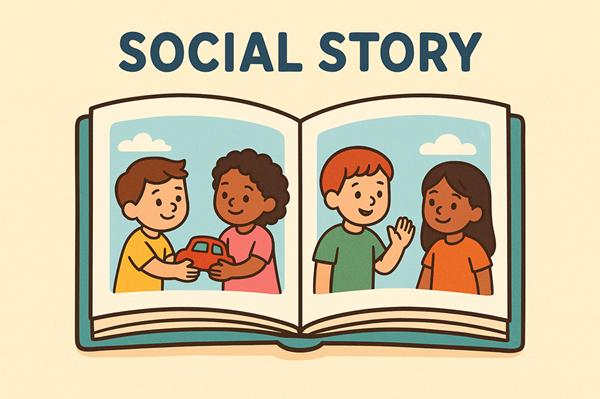
Every child faces challenges when learning how to express emotions, build friendships, or respond to new social situations. For many children, especially those who learn differently, these moments can feel confusing or overwhelming. Social stories are one of the most effective educational tools to guide children through such experiences. These short, structured narratives help children understand emotions, learn empathy, and build confidence.
With the rise of digital learning platforms, tools like KidScribe.ai’s Social Stories have made it easier to create personalized learning materials that connect with every child’s unique needs. By combining creativity, psychology, and technology, personalized social stories help children not only understand the world around them but also discover how to interact with it confidently.
Understanding Social Stories for Children
Social stories were first developed by Carol Gray in the 1990s to help children with autism understand social cues and expectations. They are simple yet powerful narratives that describe social situations and appropriate responses in a calm, structured way. Each story focuses on real-life experiences such as sharing toys, joining a group activity, or understanding personal space.
According to Autism Speaks, social stories are especially helpful for children with autism spectrum disorder (ASD), as they use predictable language and visual structure to explain emotions and behaviors. These stories are now widely used in classrooms and homes to support both neurotypical and neurodiverse learners.
To understand how a Social Story works, it helps to know its structure. Carol Gray’s model includes three main types of sentences:
Descriptive Sentences explain what is happening in a situation.
Perspective Sentences describe the thoughts or feelings of others involved.
Directive Sentences guide the child toward appropriate responses or behaviors.
This structure ensures clarity, predictability, and empathy. It helps children not only know what to do but also why certain behaviors are expected.
By teaching social understanding through storytelling, educators and parents help children develop empathy, problem-solving abilities, and emotional control. This technique turns learning into a natural process where children can imagine, reflect, and connect with familiar situations.
The Importance of Social Emotional Learning (SEL)
Social Emotional Learning (SEL) is an essential part of child development. It focuses on helping children understand and manage emotions, set positive goals, show empathy, and maintain healthy relationships. As defined by CASEL, SEL helps children make responsible decisions and handle daily challenges effectively.
When social stories are used as part of SEL, they allow children to visualize emotions and behaviors through relatable examples. For instance, a story about a child who feels nervous on the first day of school helps young readers recognize and manage their own anxiety. Similarly, stories about sharing or apologizing promote kindness and cooperation.
Educators often integrate SEL-based storytelling into classroom routines to foster inclusive and compassionate learning environments. Studies show that children who participate in SEL activities are more likely to succeed academically and socially, creating a strong foundation for lifelong learning.
Personalized Learning through Technology
Technology has transformed how children learn and engage with educational content. Personalized learning tools like KidScribe.ai make it possible to create stories that match each child’s interests, learning style, and emotional needs. Parents and teachers can generate customized social stories that reflect real-world experiences—whether a child is learning to greet new friends or adapt to change at home.
AI-based personalization enhances understanding by making every story relevant to the child’s life. This method supports neurodiverse learners, including children with autism, ADHD, or social communication challenges, by providing relatable examples in simple, friendly language.
According to EdTech Magazine, digital tools that personalize content improve engagement and memory retention in young learners. When stories feel meaningful and relatable, children are more likely to internalize lessons about empathy, patience, and cooperation.
How Personalized Social Stories Build Emotional and Social Skills
Personalized social stories work because they are emotionally engaging and contextually accurate. They help children process experiences, understand the perspective of others, and respond appropriately to different situations.
For example, a child struggling with sharing can read a story about a friendly character who learns to take turns. Through repetition and gentle reinforcement, the child learns the positive outcome of sharing. Similarly, stories about handling frustration, coping with disappointment, or managing anger teach emotional control.
Children often model what they read. When they see characters expressing emotions safely, they begin to apply those behaviors in real life. Research published in the Journal of Autism and Developmental Disorders found that children who regularly engage with social stories show measurable improvement in social understanding and communication skills.
Moreover, personalized storytelling helps build confidence. By seeing their own name, interests, or situations reflected in a story, children feel valued and understood. This emotional connection motivates them to explore feelings and build relationships more naturally.
The Role of Parents and Educators
Parents and teachers play a vital role in making social stories effective. It’s important to choose stories that match the child’s developmental level and emotional needs. Reading them together encourages discussion, helping children link story lessons to their real experiences.
Educators can use social stories during group sessions or classroom activities to reinforce behavioral expectations. Parents can read them at home during bedtime routines or after challenging situations to guide positive behavior.
Resources like Understood.org recommend combining stories with visual aids, drawings, or role-playing activities to help children practice learned behaviors. Consistency is key—children benefit most when stories are revisited regularly and followed by supportive conversation.
Research and Expert Insights
Several studies highlight the effectiveness of social stories in improving social and emotional development. Research in the Journal of Positive Behavior Interventions reports that consistent use of social stories can reduce anxiety and improve behavioral outcomes for children with autism.
Experts in child psychology emphasize that storytelling is one of the most natural ways children learn. It allows them to interpret emotions safely, without judgment or fear. Platforms that make storytelling easier for educators and parents, such as KidScribe.ai’s Social Stories, enable more families to use this evidence-based approach effectively.
Frequently Asked Questions
1. What age group benefits most from social stories?
Social stories are effective for children aged 3 to 12, though they can be adapted for older children depending on developmental needs.
2. Are social stories only for children with autism?
No. While they were designed for children with autism, they help all children develop empathy, social understanding, and self-regulation.
3. How often should social stories be used?
Consistency matters. Reading social stories a few times per week helps children internalize lessons and recall them in real-life situations.
4. How does technology improve social storytelling?
Digital tools personalize stories, making them more relatable. When children see familiar names or settings, they connect emotionally, which strengthens learning outcomes.
Conclusion
Social stories are more than simple tales. They are learning tools that nurture empathy, emotional intelligence, and confidence in children. Personalized stories, supported by technology, help each child connect lessons to real-life experiences.
By integrating personalized social stories into daily learning, parents and educators can guide children toward a better understanding of themselves and others, building emotional strength and lasting social skills.
Post Your Ad Here
Comments