How Weather and Tides Affect Game Fishing in Andaman
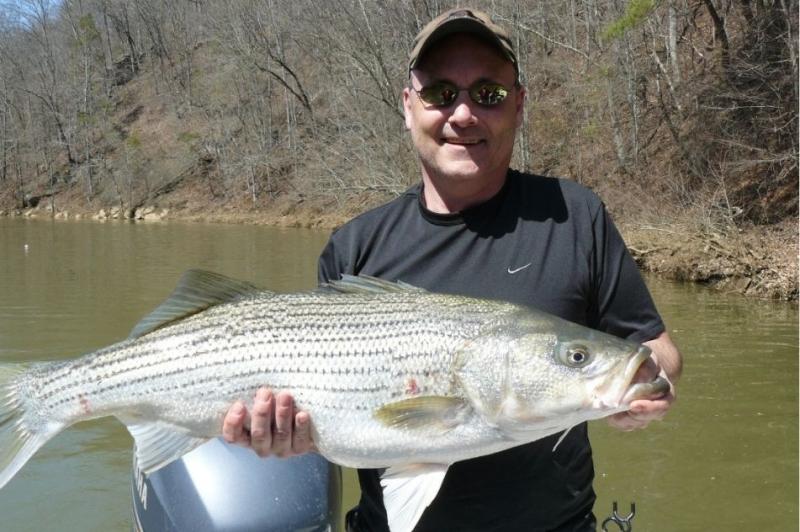
The Andaman Islands are a paradise for adventure seekers, especially those who love the thrill of game fishing. With vast stretches of turquoise water, rich marine biodiversity, and an abundance of trophy fish like marlins, tunas, and barracudas, this tropical destination offers some of the best fishing experiences in the Indian Ocean.
However, if you want to make the most of your trip, understanding how weather and tides affect game fishing in Andaman is essential. Both factors play a crucial role in determining when, where, and how successfully you can fish. Whether you’re an experienced angler or a curious beginner, knowing how to read the signs of nature will help you plan your ideal fishing adventure.
The Role of Andaman’s Tropical Weather in Game Fishing
The Andaman Islands have a tropical climate, which means warm temperatures and high humidity throughout the year. The weather can be divided into three major seasons:
Summer (March to May)
Monsoon (June to September)
Winter (October to February)
Each season brings its own fishing opportunities and challenges.
a. Summer Season (March to May)
Summer is one of the best times for game fishing in Andaman. The seas are usually calm, the water is clear, and visibility is excellent — ideal conditions for spotting large pelagic fish. During this season, you can expect to catch tuna, sailfish, and dorado as they move closer to the surface.
Early mornings and late afternoons are the best times to fish because the water temperature is slightly cooler, attracting more activity near the top. If you’re planning a summer fishing trip, pack sun protection and hydrate well, as the heat can be intense.
b. Monsoon Season (June to September)
The southwest monsoon brings heavy rain, strong winds, and choppy seas to the Andaman Islands. Game fishing activities are limited or paused during this season for safety reasons. However, the monsoon plays a vital role in maintaining marine life balance — the rain and nutrient flow from the land enrich the waters, attracting smaller fish and ultimately larger predators later in the year.
For anglers, it’s best to avoid planning fishing trips during monsoon months. Instead, use this time for equipment maintenance, research, or booking upcoming charters for the next season.
c. Winter Season (October to February)
Once the monsoon retreats, the weather becomes calm, dry, and pleasant — marking the peak fishing season in Andaman. Sea conditions are ideal, with moderate temperatures and steady winds. This is when serious anglers from around the world visit for deep-sea fishing trips.
During these months, you’re more likely to encounter giant trevallies, groupers, and barracudas, along with seasonal big game species like black marlin and dogtooth tuna. Calm waters also mean longer and safer offshore trips, increasing your chances of a rewarding catch.
How Tides Influence Game Fishing
Tides — the regular rise and fall of sea levels caused by the gravitational pull of the moon and sun — are another major factor affecting fish behavior. For anglers in Andaman, understanding the tidal movements can make a significant difference between a slow day and an action-packed fishing trip.
a. Incoming and Outgoing Tides
Incoming Tide (Flood Tide):
When the tide rises, water from the deep ocean flows into shallower areas, carrying nutrients and small fish. This attracts larger predatory fish such as barracuda, trevally, and snapper. The period just before high tide is often considered the most productive for game fishing.Outgoing Tide (Ebb Tide):
As the tide recedes, fish may move toward deeper channels. While the bite rate may slow down, experienced anglers can still find success near reef edges or drop-offs where fish congregate before returning to deep waters.
b. Slack Tide (Between High and Low)
This is the short period when the water is still — right before the direction of the tide changes. During this time, water movement slows, and fish tend to rest. It’s usually the least productive period for fishing, so most anglers prefer to wait until the tide starts moving again.
c. Tidal Range and Its Impact
The tidal range — the difference between high and low tides — varies based on the moon’s phase. During full and new moons, the gravitational pull is stronger, creating spring tides with higher highs and lower lows. This stronger movement stirs up nutrients, resulting in higher fish activity.
On the other hand, during the first and third quarters of the moon, neap tides occur, leading to smaller tidal changes and slower fish movement. Planning your fishing trips around spring tides often yields better catches in Andaman.
Combining Weather and Tide for the Best Results
To plan a successful game fishing trip in Andaman, you need to combine both weather and tide data. Here’s how you can do it effectively:
a. Ideal Conditions
Moderate sea conditions with low wind speed
Clear skies for better visibility
Water temperature between 26°C and 29°C
Active tide (preferably rising or falling)
These conditions usually coincide between October and May, the best window for game fishing tours. The calm waters and active tides ensure that fish are feeding and easy to locate.
b. Avoiding Unfavorable Conditions
Avoid fishing right after heavy rainfall or during stormy conditions. Rough seas can make it difficult to anchor and spot fish. Similarly, fishing during slack tides might yield fewer bites because fish aren’t actively feeding.
Understanding Fish Behavior with Weather and Tide Changes
Different species react differently to environmental changes. Here’s a quick breakdown of how popular game fish in Andaman behave based on weather and tides:
By matching your target fish to the right tide and weather conditions, you’ll increase your chances of landing a big catch.
Importance of Local Knowledge and Guides
Even with the best planning, the Andaman seas can surprise you. That’s why local fishing guides and charter companies are invaluable. They have years of experience reading the weather patterns, tidal changes, and fish migration routes.
Professional Private charters in Andaman, such as those operating from Havelock Island and Port Blair, provide all the gear, safety equipment, and expertise you need. They can also suggest the right time of day and fishing technique — whether it’s trolling, popping, or jigging — based on real-time conditions.
If you’re staying at a resort like Havelock Island Beach Resort, the staff can help arrange personalized fishing trips, complete with expert guidance and modern boats equipped with fish finders and safety tools.
How Technology Helps Track Weather and Tides
Modern anglers in Andaman use apps and digital tools to monitor weather forecasts, wind speeds, and tide charts before heading out.
Some useful tools include:
Windy or Windfinder: For real-time wind and wave conditions
Tide Charts India: To check local tide timings and ranges
Fishbrain or Navionics: For community insights and fishing spots
Marine Weather Apps: For tracking temperature, swell, and pressure changes
Using these tools helps ensure you fish under safe and favorable conditions, maximizing your success and safety on the water.
Safety Considerations During Unpredictable Weather
The Andaman Sea can sometimes experience sudden weather shifts, especially during transitional months. Here are some safety tips to follow:
Always check the local forecast before leaving the shore.
Wear life jackets and carry emergency communication devices.
Inform your hotel or tour operator of your fishing plan and expected return time.
Avoid venturing too far offshore during cloudy or windy conditions.
Carry extra water, sunscreen, and first aid supplies.
Safety should always be your top priority — even the most experienced anglers respect the power of the sea.
When to Plan Your Game Fishing Trip in Andaman
If you want to experience the best game fishing in Andaman, plan your trip between October and May. During these months:
The sea is calm and crystal clear.
Tidal activity is strong and predictable.
Big game species are most active.
The period from December to April is particularly great for catching tuna, marlin, sailfish, and giant trevallies. Many fishing enthusiasts time their trips around the full moon or new moon to take advantage of stronger tides and feeding activity.
Conclusion
Game fishing in the Andaman Islands is an experience like no other — a thrilling mix of adventure, patience, and connection with nature. However, the secret to a successful trip lies in understanding how weather and tides affect fishing conditions.
By aligning your plans with the island’s natural rhythm, you’ll not only improve your chances of landing a big catch but also enjoy a safer and more memorable outing on the sparkling Andaman waters.
So before you cast your next line, take a moment to check the forecast, study the tides, and let nature guide your perfect fishing adventure in paradise.
Post Your Ad Here
Comments