Kirsten Poon of Edmonton Explains How AI Expands Team Capabilities
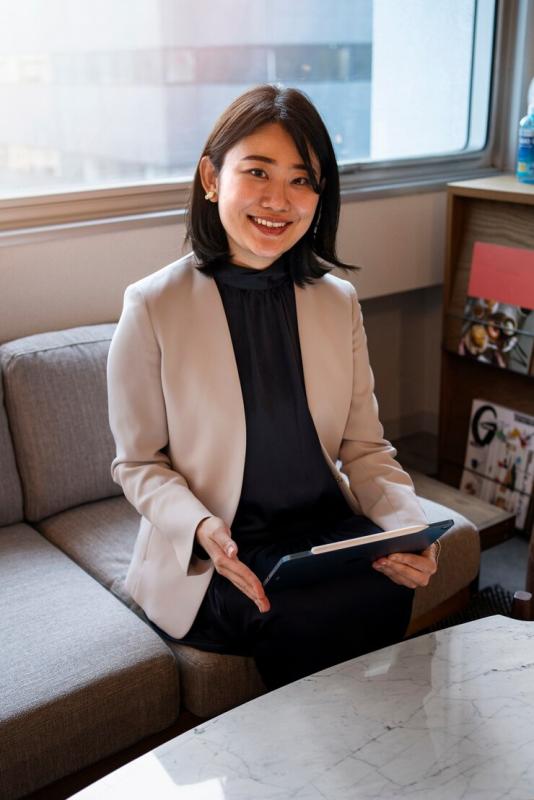
Kirsten Poon is an artificial intelligence analyst from Edmonton who works with businesses to help teams leverage AI to achieve more. Kirsten Poon believes that AI is not about replacing humans but about enhancing what teams can do together. By integrating AI into workflows, teams can increase efficiency, improve decision-making, and strengthen collaboration. According to Kirsten Poon, the combination of human skills and AI capabilities allows teams to handle complex tasks, respond quickly to challenges, and focus on creative and strategic work that drives meaningful results.
Kirsten Poon explains that one of the main ways AI expands team capabilities is by improving communication. Many teams struggle with sharing information across departments or locations, and AI can help by organizing messages, summarizing discussions, and even translating content when needed. With AI handling these tasks, team members can stay aligned and informed without spending excessive time searching through emails or documents. She emphasizes that streamlined communication frees teams to focus on collaboration and problem-solving rather than administrative work.
Another important way AI supports teams, according to Kirsten Poon, is by automating routine and repetitive tasks. Scheduling, data entry, basic reporting, and other administrative work can take up significant time and lead to errors. AI can handle these tasks quickly and accurately, allowing team members to focus on work that requires judgment, creativity, and strategy. By removing the burden of mundane tasks, AI helps teams work more efficiently and dedicate their energy to activities that truly benefit the organization. It notes that this improves both productivity and job satisfaction for team members.
Kirsten Poon also highlights the role of AI in decision-making. AI can process large amounts of data and identify trends or patterns that humans might miss. This information gives teams a clearer understanding of situations, helping them make informed decisions. While AI provides the data, humans add context, experience, and judgment. According to Kirsten Poon, combining AI insights with human decision-making results in choices that are both data-driven and practical. This approach reduces risk, speeds up planning, and strengthens overall team performance.
Collaboration is further enhanced when teams use AI tools to manage projects and tasks. Kirsten Poon explains that AI can track progress, allocate resources, and suggest ways to optimize workflows. Team members can receive real-time updates and recommendations, which keep everyone on the same page and reduce confusion. She emphasizes that when AI handles the organizational side of teamwork, humans can focus on creativity, problem-solving, and strategy. This balance ensures that teams are more coordinated, productive, and capable of achieving shared goals.
AI also contributes to learning and skill development, an area Kirsten Poon considers essential for team growth. AI systems can monitor performance and provide feedback on areas where team members can improve. By combining AI insights with human mentorship and training, teams can continuously develop new skills and adapt to changing business needs. Kirsten Poon explains that this continuous learning makes teams more resilient and capable of handling complex challenges while also improving overall productivity and performance.
Creativity and innovation are strengthened when AI handles repetitive work and provides data-driven insights. According to her, AI can suggest ideas or solutions based on patterns in data, which humans can refine and implement. This combination allows teams to innovate faster and more effectively than they could without AI support. By freeing humans from routine work and providing intelligent insights, AI helps teams focus on solving problems in new and creative ways, enhancing their overall capability.
This points out that AI is especially useful for remote teams. AI-powered tools help keep everyone aligned, track progress, and provide updates in real time. This ensures that distributed teams can work together efficiently, regardless of location or time zone. Kirsten Poon emphasizes that AI makes collaboration seamless, allowing remote teams to maintain productivity, communication, and cohesion while working apart. By supporting coordination and simplifying task management, AI enables teams to function at a higher level than ever before.
Finally, Kirsten Poon explains that AI supports strategic planning by providing insights that guide team priorities. AI can analyze historical data, forecast trends, and highlight areas that need attention. Human team members then use their judgment to interpret the insights and make decisions that align with organizational goals. According to Kirsten Poon, this combination of AI and human intelligence helps teams act proactively, plan effectively, and achieve better results overall.
By integrating AI into workflows and combining it with human skills, teams can operate more efficiently, make smarter decisions, and collaborate more effectively. Kirsten Poon emphasizes that the goal is not to replace human input but to expand capabilities, allowing team members to focus on creativity, strategy, and problem-solving. Organizations that adopt this approach benefit from higher productivity, better communication, and stronger collaboration, ultimately achieving more than they could with humans or AI alone. Kirsten Poon’s insights make it clear that AI is a powerful tool when used in partnership with human expertise, enabling teams to reach their full potential.
Post Your Ad Here
Comments