How Magic Mushrooms Affect Anxiety
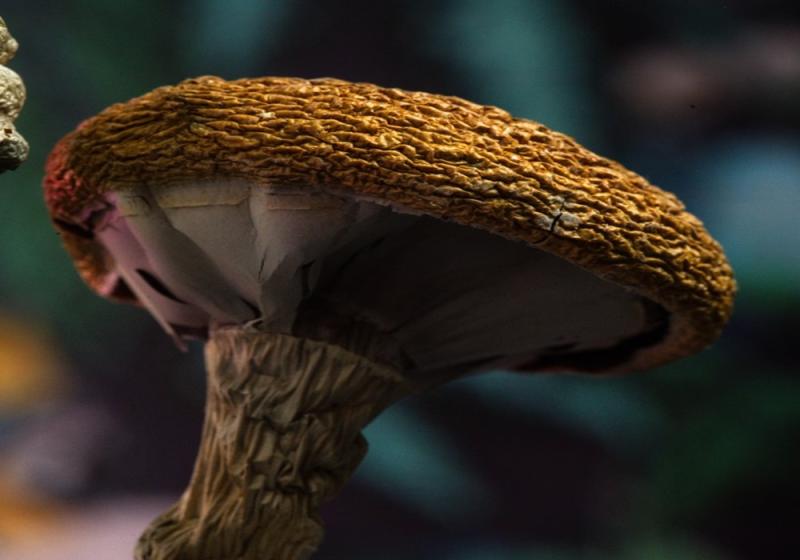
Anxiety disorders affect millions of people worldwide, often interfering with daily life, relationships, and overall well-being. While conventional treatments like therapy and medication help many, some individuals continue to struggle with persistent anxiety. Recently, interest has grown in alternative approaches, including the use of magic mushrooms, scientifically known as psilocybin mushrooms, for managing anxiety.
Psilocybin, the active compound in magic mushrooms, is a naturally occurring psychedelic that interacts with serotonin receptors in the brain. Serotonin is a neurotransmitter that regulates mood, cognition, and perception. By stimulating specific serotonin receptors, psilocybin can temporarily alter consciousness, leading to profound changes in thought patterns and emotional processing. This unique effect has captured the attention of researchers exploring its potential for treating anxiety.
One of the key ways magic mushrooms may reduce anxiety is by promoting neuroplasticity—the brain’s ability to reorganize and form new neural connections. Studies suggest that psilocybin can “reset” certain neural circuits associated with negative thought patterns and rumination, which are common in anxiety disorders. This reset effect can provide a mental break from persistent anxious thoughts, allowing individuals to gain new perspectives and emotional insights.
Research in clinical settings has shown promising results. For instance, studies conducted with patients experiencing anxiety related to terminal illness revealed that guided psilocybin sessions significantly reduced anxiety and depression for weeks or even months after treatment. Participants often report a profound sense of peace, acceptance, and connectedness, which can be transformative for those struggling with chronic anxiety.
Another important factor is the context in which psilocybin is used. Therapeutic settings typically involve careful preparation, guided sessions, and post-experience integration. These structured environments help ensure safety and maximize the potential benefits, minimizing the risks of overwhelming experiences or heightened anxiety. Self-administration without proper guidance, however, can sometimes exacerbate anxiety or lead to unpredictable reactions.
While the research is promising, it is essential to acknowledge that psilocybin is not a universal solution. Individual responses can vary, and long-term effects are still being studied. Psilocybin should be approached responsibly and, where legal, ideally under professional supervision. Additionally, combining psilocybin experiences with traditional therapy and mindfulness practices may enhance overall outcomes for anxiety management.
As interest in natural and alternative treatments grows, magic mushrooms are emerging as a potential tool for anxiety relief. They offer more than temporary distraction; they can provide deep insights, emotional release, and a renewed sense of mental clarity. For those exploring alternative avenues, carefully sourced and lab-tested magic mushrooms could offer a meaningful complement to conventional anxiety therapies.
Whether used in therapeutic settings or as part of a broader wellness approach, magic mushrooms hold promise for transforming how anxiety is understood and treated. By addressing root emotional patterns and promoting mental flexibility, they may open the door to lasting relief and a more balanced, calm mind.
Post Your Ad Here
Comments