What Makes Asbestosis Claims Stand Apart from Regular Workplace Injuries?
When workers face injury on the job, compensation laws usually follow a standard route. Yet, when it comes to asbestos exposure, that route changes shape. Asbestosis builds slowly, invisible at first, then crushing over years. Victims often find their legal and medical battles stretched thin and complex. The laws handle these cases differently due to long latency and severe consequences. This story is not about one accident, but a lifetime altered by invisible dust.
The Long Shadow of Exposure
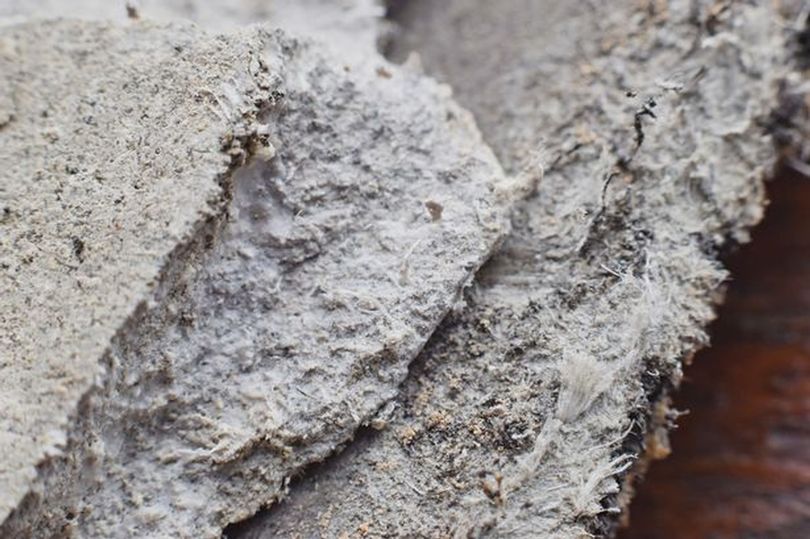
Asbestosis does not strike in a single day of work. It grows silently across decades of inhaling asbestos fibers. This long incubation makes tracing responsibility difficult for workers. Many companies involved might not even exist anymore. The disease connects to past exposure, not a single accident. That delay makes the pursuit of justice harder than typical workplace injury claims.
Why Legal Paths Differ
Workplace injuries usually fall under workers’ compensation programs. They handle immediate harm like falls or equipment accidents. Asbestosis, though, demands a separate legal path due to its delayed onset. Victims often go through civil courts, not standard worker programs. This legal structure allows broader claims, including negligence or product liability. The law treats it as an industrial legacy rather than a short-term event.
Medical Proof and Time Barriers
Medical proof becomes the battlefield in asbestosis claims. Unlike broken bones or burns, asbestosis needs deep diagnostic evidence. Doctors rely on X-rays, CT scans, and occupational histories for confirmation. Time erodes those records, leaving many workers without solid proof. Statutes of limitation add pressure, closing doors before symptoms appear. This medical and legal mix sets asbestosis cases apart from regular workplace injuries.
Employer Liability and Corporate Evasion
Standard injury claims target an active employer with clear responsibility. Asbestosis claims chase multiple entities across years and industries. Some employers closed long ago, others merged or shifted operations. Legal teams trace corporate trails to assign blame for exposure. That process adds layers of complexity to every case. Victims fight corporations that often deny exposure links or shift liability.
The Unique Nature of Compensation
The financial framework of asbestosis compensation reflects this complexity. Payments depend on severity, exposure period, and the proof of corporate negligence. Settlements often involve trust funds created by bankrupt asbestos manufacturers. Regular injury claims rarely face such financial networks. Victims also receive compensation for medical surveillance and long-term care. The system aims to repair lives impacted by decades of corporate neglect.
Conclusion
Asbestosis cases rewrite the meaning of workplace injury law. They stand apart due to time, medical proof, and corporate responsibility. Victims face a unique struggle shaped by years of silence and delayed justice. These claims prove how slow harm demands faster accountability. The difference lies not only in disease but in the system’s ability to remember.
Post Your Ad Here
Comments