Navigating Brain Injury Rehab: A Comprehensive Guide to Recovery Pathways
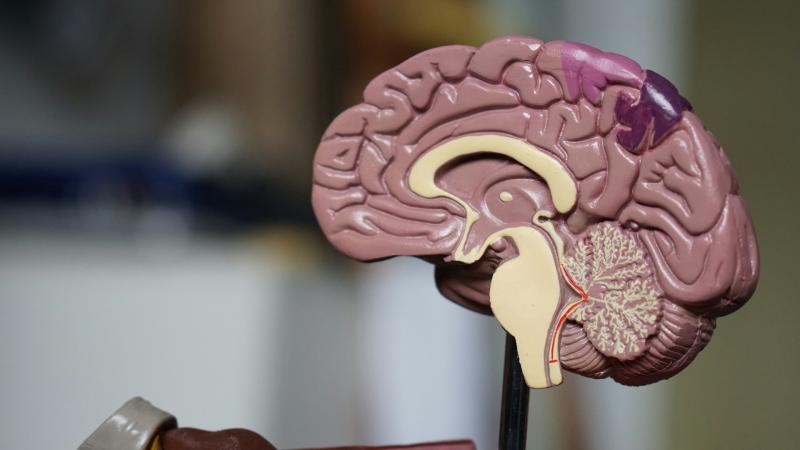
Throughout Ontario's healthcare landscape, families confronting the aftermath of acquired brain injuries face overwhelming decisions about rehabilitation pathways that will fundamentally shape their loved ones' recovery trajectories and future quality of life. Genesis Community Rehab functions as an essential intermediary organization, facilitating connections between individuals affected by brain injuries and the specialized rehabilitation professionals who possess the expertise necessary for addressing these complex medical challenges. The organization's role in coordinating comprehensive support services has become increasingly vital as understanding of brain injury recovery continues evolving, revealing the intricate interplay between medical interventions, behavioral support, and community integration that characterizes successful rehabilitation outcomes.
The Complex Nature of Brain Injury Recovery
Acquired brain injuries encompass an extraordinarily diverse spectrum of neurological conditions that arise from both traumatic incidents—such as vehicular collisions, falls from heights, sports-related impacts, or physical assaults—and non-traumatic medical events including cerebrovascular accidents, anoxic episodes, neoplastic growths, or infectious processes affecting central nervous system structures. The heterogeneous nature of these injuries manifests in dramatically varied clinical presentations, as damage to different brain regions produces distinct constellations of physical, cognitive, emotional, and behavioral symptoms that require highly individualized therapeutic approaches tailored to each person's specific neurological deficits and functional limitations.
The remarkable phenomenon of neuroplasticity offers considerable grounds for optimism in brain injury rehabilitation, as research continues demonstrating the nervous system's capacity for reorganization and adaptation following injury through mechanisms including synaptic sprouting, cortical remapping, and compensatory activation of alternative neural networks. However, harnessing this inherent regenerative potential demands carefully orchestrated therapeutic interventions delivered by multidisciplinary teams comprising physiotherapists who address motor impairments and mobility challenges, occupational therapists focusing on instrumental activities of daily living and vocational readiness, speech-language pathologists targeting communication disorders and dysphagia, neuropsychologists specializing in cognitive remediation and psychological adjustment, and numerous other specialists whose collective expertise addresses the multifaceted consequences of brain injury.
The temporal progression of recovery following brain injury defies simple categorization or predictable timelines, as individual trajectories vary enormously based on factors including injury severity, anatomical location of damage, premorbid health status, age at injury, availability of rehabilitation resources, family support systems, and personal motivation levels. While some individuals demonstrate rapid functional improvements during initial post-injury months, others experience more gradual progress extending across years, with periods of plateau interspersed with breakthrough moments of unexpected gains that underscore the importance of maintaining therapeutic engagement even when progress appears minimal.
The Role of Comprehensive Rehabilitation Support
Contemporary approaches to brain injury rehabilitation acknowledge that optimal outcomes depend upon comprehensive support frameworks extending well beyond traditional medical interventions to encompass environmental modifications, behavioral strategies, family education, and community reintegration planning. Genesis Community Rehab has developed specialized expertise in delivering rehabilitation support and behavior consultation services that complement direct therapeutic interventions by addressing the practical challenges of translating clinical gains into meaningful functional improvements within real-world contexts including domestic environments, workplace settings, and social situations.
The implementation of compensatory strategies represents a cornerstone of effective rehabilitation programming, as these techniques enable individuals to circumvent specific deficits while maximizing remaining capabilities through creative problem-solving approaches. Such strategies might encompass external memory aids including smartphone applications, written schedules, or alarm systems for individuals experiencing cognitive impairments; adaptive equipment such as specialized utensils, mobility devices, or communication boards for those with physical limitations; or environmental modifications including simplified living spaces, visual cues, or structured routines that support independent functioning despite ongoing challenges. The selection and refinement of appropriate compensatory strategies requires ongoing collaboration between rehabilitation professionals, clients, and family members to ensure strategies remain practical, acceptable, and effective as needs evolve throughout recovery.
Behavioral consultation services address one of the most challenging yet crucial aspects of brain injury rehabilitation, as neurological damage frequently produces personality alterations, emotional dysregulation, impulsivity, aggression, or other behavioral changes that strain interpersonal relationships and impede community reintegration efforts. Specialized behavior consultants bring expertise in understanding these manifestations within the neurobiological context of brain injury rather than attributing them to volitional choices or character flaws, developing comprehensive behavior support plans that promote adaptive responses while preserving individual dignity and autonomy through positive behavioral interventions rather than punitive approaches.
The Communication Model That Drives Success
The effectiveness of brain injury rehabilitation programs correlates strongly with communication quality among the diverse professionals, family members, and support personnel involved in coordinating care across multiple settings and timeframes. Genesis Community Rehab has pioneered an innovative communication framework emphasizing continuous information exchange through meticulously documented observations, quantifiable outcome measures, and detailed progress narratives that provide supervising healthcare professionals with comprehensive insights enabling responsive program modifications aligned with emerging client needs and evolving recovery patterns.
This communication model represents a significant departure from traditional rehabilitation documentation practices that typically rely upon periodic formal reports generated at predetermined intervals, potentially overlooking critical developments occurring between scheduled assessments. Through their commitment to generating detailed weekly documentation encompassing objective behavioral observations, functional performance metrics, and contextual factors influencing progress, rehabilitation support specialists enable treatment teams to implement programming adjustments with unprecedented responsiveness to client needs. This dynamic approach fosters sustained engagement by ensuring therapeutic activities remain appropriately calibrated to current abilities while providing sufficient challenge to promote continued neurological adaptation and functional gains.
The transparent nature of this communication framework extends beyond professional circles to encompass family members as valued partners in the rehabilitation process, recognizing their unique insights into premorbid functioning, personal preferences, and motivational factors that influence engagement. Regular communication through progress updates, team meetings, and collaborative goal-setting sessions empowers families to contribute meaningfully to rehabilitation planning while developing competencies necessary for providing appropriate support as their loved ones transition through different recovery phases and care settings.
Client-Centered Approaches in Brain Injury Rehabilitation
Fundamental to contemporary rehabilitation philosophy is the recognition that meaningful recovery must align with individual values, priorities, and life goals rather than conforming to standardized protocols or predetermined outcome measures that may hold limited personal relevance. Client-centered approaches acknowledge the profound disruption brain injury causes to personal identity, life roles, and future aspirations, necessitating rehabilitation programs that honor individual perspectives while working collaboratively to establish meaningful goals reflecting personal definitions of recovery success rather than imposing external standards.
This philosophical orientation manifests practically through comprehensive assessment processes exploring not merely neurological deficits and functional limitations but also personal interests, cultural backgrounds, family dynamics, vocational aspirations, recreational preferences, and spiritual considerations that collectively shape individual recovery priorities. Rehabilitation programs incorporating these multidimensional perspectives demonstrate enhanced engagement levels and superior functional outcomes compared to approaches focusing narrowly on deficit remediation without considering broader life contexts and personal meaning systems.
The involvement of regulated healthcare professionals ensures clinical excellence while maintaining flexibility to accommodate individual preferences and evolving needs throughout recovery trajectories. These professionals bring specialized training in brain injury rehabilitation encompassing both scientific understanding of neurological recovery processes and practical expertise in translating evidence-based interventions into personalized therapeutic approaches that balance appropriate challenge levels with achievable goals, thereby maintaining motivation while promoting optimal neuroplastic changes.
Building Support Networks and Community Resources
Sustainable recovery from brain injury necessitates robust support networks extending beyond formal healthcare services to encompass peer connections, community organizations, and advocacy groups that provide ongoing assistance, education, and social opportunities essential for long-term adjustment and quality of life. Throughout Ontario, numerous organizations have developed specialized programs addressing various aspects of brain injury impact, creating comprehensive resource networks that complement clinical rehabilitation services while addressing psychosocial needs often overlooked in medical settings.
The Ontario Brain Injury Association (OBIA) serves as a provincial hub for education, advocacy, and support services, offering diverse programs including telephone helplines staffed by knowledgeable personnel, individualized advocacy assistance for navigating healthcare and social service systems, educational workshops addressing topics relevant to survivors and caregivers, virtual support groups facilitating peer connections across geographic distances, and mentorship programs pairing newly injured individuals with experienced survivors who provide guidance based on lived experience.
Regional organizations including the Brain Injury Association of Peel and Halton, Brain Injury Society of Toronto, Brain Injury Association of Niagara, and Brain Injury Association of York Region provide localized support reflecting community-specific resources and needs while fostering social connections among survivors within geographic proximity. These organizations typically offer recreational programs promoting community integration, educational seminars addressing practical concerns like returning to work or managing finances post-injury, support groups for family members processing their own adjustment challenges, and advocacy initiatives aimed at improving services and reducing barriers faced by brain injury survivors.
Taking the First Step Toward Recovery
Embarking upon the brain injury rehabilitation journey requires courage, persistence, and access to appropriate resources that can seem overwhelming when families first confront this life-altering challenge without prior knowledge or experience navigating complex healthcare systems. Genesis Community Rehab provides essential guidance through this process by leveraging their extensive experience connecting individuals living with acquired brain injuries, mental health challenges, spinal cord injuries, and various complex conditions with specialized rehabilitation professionals and support services tailored to specific needs and circumstances. Their knowledgeable team stands ready to provide consultation services ensuring quality, cost-effective solutions while accommodating the unique challenges each family faces during their rehabilitation journey. Reach out to Genesis Community Rehab today to discover how their innovative communication model, collaborative approach, and comprehensive network of rehabilitation specialists can facilitate optimal recovery outcomes for yourself or your loved one affected by brain injury.
Post Your Ad Here
Comments