How to Select a Solid Plumber: A Homeowner s Guide to Reliable Plumbing Services
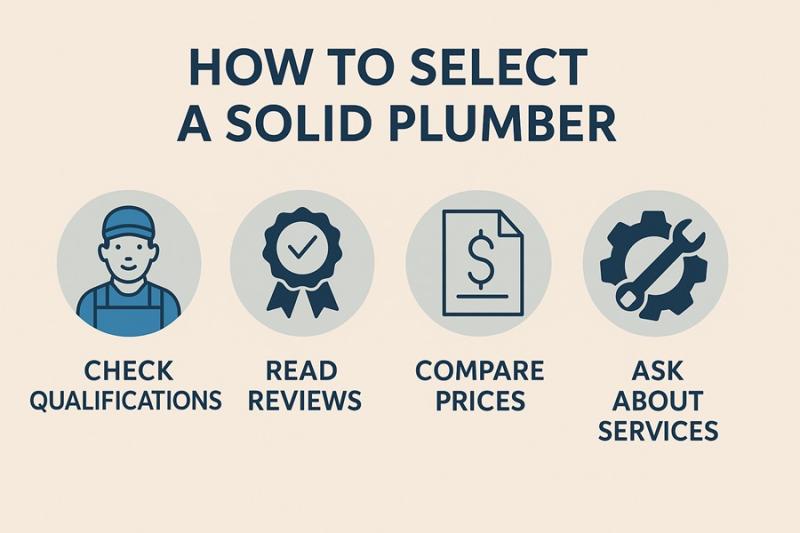
Plumbing and gas services are
some of those things we don’t think about until something goes wrong — a
dripping faucet, a clogged drain, a water heater that’s gone cold, or worse, a
burst pipe.
But how do you tell a true professional from a “guy with a wrench”? This guide
walks you through the key steps for finding and hiring a solid plumber you can
count on, whether for routine maintenance, emergency repairs, or a major
installation.
1. Start With Licensing and Insurance
The very first question to ask any plumber:
“Are you licensed?”
- In most states and municipalities, plumbers must hold a license to perform
work legally. A license means they’ve completed training, apprenticeships, and
passed exams.
- Ask for proof of liability insurance and workers’ compensation coverage as
well. If something goes wrong on your property, you don’t want to be on the
hook.
A reputable plumber will happily provide their license number and insurance
certificate — no evasions or excuses.
2. Check Experience and Specialization
Not all plumbers handle all types of work.
Some focus on residential service calls; others specialize in new construction,
remodels, or specific systems like tankless water heaters or sewer line
replacement.
Ask:
- How long have they been in business?
- Do they have experience with your specific problem? (e.g., slab leaks,
repiping, high-end fixtures)
A plumber who routinely performs the work you need will be more efficient and
less likely to make costly mistakes.
3. Reputation Speaks Volumes
In the age of the internet, reviews are
your friend. Look for:
- Google Business Profile reviews for recent customer feedback.
- BBB or local trade associations to see if they’re in good standing.
- Word-of-mouth from neighbors or family.
Pay attention to not just star ratings but also how the plumber responds to
negative reviews. Professionalism in public replies often mirrors
professionalism in person.
4. Transparent Pricing
A solid plumber will give you a clear,
written estimate before beginning work — especially on anything beyond a basic
service call.
Look for:
- Flat-rate pricing or at least a detailed breakdown of time and materials.
- Disclosure of any trip charges or after-hours rates.
- Warranties on both labor and parts.
Beware of vague quotes like “It’ll probably be about…” without a written
estimate.
5. Ask About Guarantees and Warranties
Reputable plumbers stand behind their work.
Ask:
- How long is the warranty on labor?
- What’s covered under warranty if a part fails?
- Will they return for free if the issue recurs within a set period?
This shows confidence in their workmanship and materials.
6. Professionalism and Communication
The little things add up:
- Do they answer the phone promptly or return calls quickly?
- Do they show up on time, in uniform, with a clearly marked vehicle?
- Do they explain your options in plain language without upselling unnecessary
work?
Good plumbers treat your
home with respect — wearing boot covers, protecting flooring, and cleaning
up after themselves.
7. Compare More Than Just Price
While budget matters, the cheapest bid
isn’t always the best. Consider:
- Experience and training
- Responsiveness and reliability
- Quality of materials used
- Warranty and after-service support
A slightly higher price for a reputable plumber often saves you money in the
long run by avoiding repeat problems.
8. Look for Local Knowledge
Plumbing codes, water pressure issues, and
even soil conditions vary by region. A local plumber familiar with your city’s
infrastructure can:
- Pull permits faster
- Navigate local code requirements smoothly
- Recommend solutions tailored to your area’s water quality or climate
9. Evaluate Their Toolbox
Modern plumbing isn’t just wrenches and
pipe cutters. Solid plumbers invest in:
- Video inspection cameras for sewer lines
- Leak detection equipment for pinpoint accuracy
- Pipe-freezing or expansion tools for non-invasive repairs
Ask what technology they use — it’s a good indicator of whether they’re
up-to-date.
10. Build a Relationship Before an Emergency
The best time to find a solid plumber isn’t
when your kitchen’s flooding — it’s when you’re calm. Consider hiring a plumber
for a small, non-urgent job (like installing a new faucet or performing a water
heater tune-up) to evaluate their professionalism.
When the big emergency hits, you’ll already have someone you trust.
11. Red Flags to Watch Out For
- Unmarked trucks or no company name
- Refusal to provide references, licenses, or insurance
- High-pressure sales tactics for unnecessary work
- Only accepting cash or demanding large deposits up front
Trust your instincts. If something feels off, keep looking.
12. The Takeaway
Plumbing issues can disrupt your life and
your budget. Choosing the right plumber is about more than plugging a leak —
it’s about finding a professional partner to maintain one of your home’s most
essential systems.
By checking licensing, experience, reputation, pricing transparency, and
professionalism, you can confidently select a plumber who will do the job right
the first time and stand by their work.
A solid plumber is an investment in peace of mind. When you find one, stick
with them — your home (and your sanity) will thank you.
Post Your Ad Here
Comments