Clean Beauty: What Women Need to Know
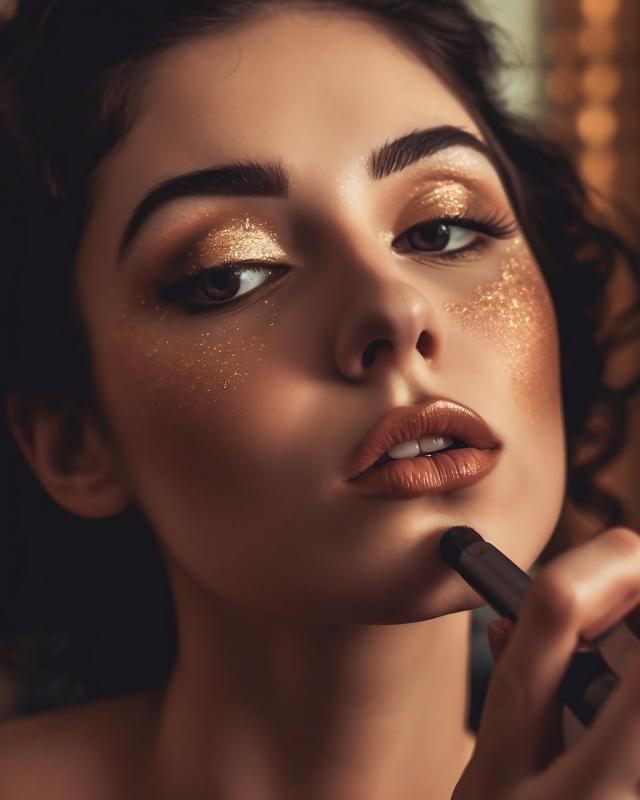
Beauty trends come and go. From no-makeup makeup to smoky eyes, some trends have survived, and others have been forgotten. But one recent development has shifted from a mere trend into a movement: clean beauty.
You might have seen the term "clean beauty" on beauty blogs or magazines, but what does it actually mean?
What Clean Beauty Means
Clean beauty advocates use cosmetic, skin care, and body care products made without harmful ingredients. These beauty products are formulated with your health in mind, ensuring they are safe, clean, and effective.
Brands that advertise their skin, body, or hair care products as "clean” need to exclude artificial colors, harsh preservatives, and strong synthetic scents. The product’s label should not have the following:
Parabens
Formaldehyde
Phthalates
Petroleum distillates
Methylchloroisothiazolinone (MCI)
Resorcinol
Triclosan and triclocarban
Phenoxyethanol
Toluene
Placenta extract
The Food and Drug Administration (FDA) currently bans 11 ingredients in cosmetic products. The European Union (EU) bans more: 1,300 ingredients in personal care products.
These harmful ingredients fall into three categories that brands must avoid when supporting clean beauty: allergens and irritants, potential carcinogens, and potential endocrine disruptors. Substances that fall under any of these categories can contribute to DNA damage. They can trigger inflammation and immune responses that wreak havoc on your skin and overall health.
Part of the clean beauty movement is transparency. For consumers like you, this means being informed about what you’re putting on your face and body. Brands must be true to their labels; if a moisturizer bears the tag “organic” or “natural,” the ingredients should reflect that tag.
What should you look for in beauty or body care products that espouse “clean beauty”?
What to Look For in Clean Beauty
Clean beauty products use “natural,” or for some of the more posh brands, “organic” ingredients. They’re usually plant- or animal-derived, like chamomile, aloe, honey, or goat’s milk. In addition to plant extracts and animal byproducts, look for vitamins and minerals, essential oils, and fruit enzymes.
These natural, usually organic ingredients provide several benefits for most people. These benefits include anti-aging, skin protection, hydration, reduced irritation and sensitivity, a clearer complexion, and long-term skin health.
Gentle, plant–based ingredients, such as aloe vera and calendula, can soothe and calm the skin. Jojoba oil and hyaluronic acid can provide deep hydration without clogging your skin’s pores. Vitamin C and green tea extract can fight environmental damage and premature aging. Manuka honey and tea tree oil can promote a clearer complexion. The absence of harsh chemicals, preservatives, and synthetic fragrances can help ensure your skin stays vibrant and healthy.
Some of the more innovative personal care products use emerging ingredients. You may have heard about some of them and their benefits for your skin.
Niacinamide
A vitamin B3 variant, niacinamide, has been cleared by the FDA and EU for use in cosmetics. Its benefits include hydration, reducing dullness, evening out skin tone, and better skin elasticity.
Squalane
Squalane, also known as squalene, is an emollient derived from sugarcane and olives. Declared safe for use in cosmetics, this ingredient offers free radical protection, hydration, and oil production control for the skin.
Bakuchiol
Derived from the Psoralea corylifolia plant, bakuchiol is the natural equivalent of retinol. Its benefits are not limited to anti-aging (without the irritation typically associated with retinol); it’s also anti-inflammatory and contains antioxidant and antibacterial properties.
Reading Past the Ingredients
Of course, some individuals may experience allergic reactions to certain natural ingredients. Clean beauty is certainly better than products made from harmful ingredients. But seek your dermatologist’s advice when changing your skin care routine with new products.
Aside from the ingredients (and your doctor’s recommendations), look into the beauty brand. Don’t rely on the product label that bears the words “natural,” “organic,” or “green.” Some of these terms might be used just as a marketing tactic.
Clean beauty goes beyond using gentle, natural, or organic ingredients. Brands that truly follow this movement demonstrate it through ethical sourcing, cruelty-free practices, and eco-friendly packaging.
Don’t limit your shopping decisions to the label; look at the brand and see whether its values and practices match the clean beauty principle.
Building a Body Care Routine That Respects Your Skin
Although it might be nice to have a counter or shelf that’s filled with all your clean beauty products, you might not need everything.
A basic routine can be clean and simple, and still feel like a treat. Start with a non-stripping wash — one that cleans your skin thoroughly without leaving it feeling tight. A gentle scrub, once or twice a week, helps, but be gentle. Then come the heavy hitters: a rich moisturizer and, if necessary, a body oil to lock it in.
Body care isn’t just about smelling good or looking dewy. Clean beauty routines are more about doing less and doing it right.
Clean beauty refers to products that are free from ingredients that irritate or trigger sensitivities. The goal is to keep formulas simple and easy on your skin.
Read the label, vet the brand behind the beauty product, and consult with your dermatologist to ensure the product is suitable for your skin.

Post Your Ad Here
Comments