Powering Real-Time Sports Data for the Modern World
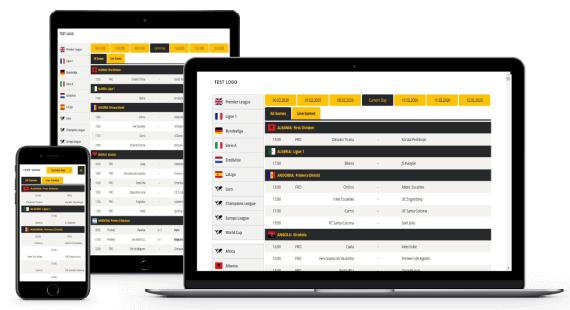
The following article explores how sports feed real-time sports data, their working process, benefits, applications, major providers, and the future of data-driven fan engagement.
Sports feeds have transformed the interaction of fans, broadcast houses, analysts, and sportsbooks with live sporting activities. Sports feeds provide real-time information, scores, player data, detailed analytics, and match commentary to their users, who number in the millions, across the globe. Whether you’re following your favorite football team or monitoring an unreal league, sports feeds ensure you never miss a single moment of the action.
What Are Sports Feeds?
A sports feed is a live or near-live stream of data (related to sporting events). This data consists of scores, player statistics, match schedules, team standings, injury news, and other related information. This feed is typically driven by API integrations -Application Programming Interfaces- which gather, process, and release organized data to websites, applications, and digital platforms.
In essence, sports feeds serve as an intermediary between the sports events and the digital platforms on which the events are being broadcast. As an example, once a player scores a goal in football, such information is captured immediately, validated, and sent via an API feed to various platforms e.g,. ESPN, betting apps, fantasy leagues, and live score sites.
How Sports Feeds Work
Sports feeds rely on a combination of advanced technologies, including data scraping, human verification, AI algorithms, and machine learning. Here’s a simple breakdown of the process:
Data Collection – Data is captured in real time from official scoreboards, on-ground reporters, or computer vision systems.
Data Processing – The raw information is formatted and verified for accuracy through algorithms and human checks.
Data Distribution – Using sports APIs, the processed data is distributed to clients such as sports websites, mobile apps, or broadcasters.
User Integration – The data is displayed in user-friendly formats such as live scoreboards, stats dashboards, or visual infographics.
This seamless system ensures users get reliable, up-to-the-second information, no matter where they are.
Types of Sports Feeds
Sports feeds come in several formats, each serving a different purpose and audience. Here are the most common types:
1. Live Score Feeds
These provide real-time match updates, including current scores, time played, and game progress. They are ideal for mobile apps, websites, and media outlets that focus on live coverage.
2. Player and Team Statistics Feeds
This feed includes in-depth player and team data such as goals, assists, fouls, win rates, and other performance metrics. They are essential for sports analytics and fantasy gaming platforms.
3. Fixtures and Results Feeds
These feeds deliver match schedules, fixtures, and results for different leagues and tournaments. Broadcasters and sports management systems widely use them.
4. Betting Odds Feeds
Used by sportsbooks, these feeds display live betting odds and outcomes. They combine statistical data with predictive models to help bettors make informed decisions.
5. Fantasy Sports Feeds
Fantasy sports platforms rely heavily on accurate and timely data. These feeds provide real-time player scores, injury updates, and event outcomes, allowing players to adjust their teams strategically.
6. Historical Data Feeds
These feeds store and provide access to past sports data, which analysts, journalists, and developers use for predictive modeling, reporting, and machine learning projects.
Benefits of Sports Feeds
1. Real-Time Engagement
Sports feeds keep fans engaged by delivering instant updates as events unfold, increasing excitement and audience retention.
2. Data Accuracy
Trusted sports feed providers ensure verified, precise, and consistent data — a crucial factor for broadcasters and betting platforms.
3. Customization
Developers can tailor sports feeds to specific needs — filtering by sport, league, region, or statistic — making integration highly flexible.
4. Enhanced User Experience
Apps and websites offering real-time updates and visualized data attract more users and sustain long-term engagement.
5. Business Insights
Sports organizations, media houses, and marketers use data-driven insights to improve decisions, content strategy, and audience targeting.
6. Monetization
Data feeds enable fantasy sports, betting, and sports media companies to create revenue-generating digital products with premium subscriptions and advertisements.
Use Cases of Sports Feeds
1. Sports Media and News Outlets
Platforms like ESPN, BBC Sport, and Yahoo Sports use feeds to populate scoreboards, news articles, and live tickers automatically.
2. Fantasy Sports Platforms
Apps like Dream11 or FanDuel depend on accurate, up-to-date sports feeds to calculate player points and game outcomes.
3. Sports Betting Companies
Betting websites use real-time odds and outcome feeds to manage live betting markets dynamically.
4. Mobile Applications
Developers integrate feeds into mobile sports apps for real-time notifications, match summaries, and data visualization.
5. Team and League Websites
Official sports organizations use data feeds to maintain live statistics, match reports, and season records on their digital platforms.
The Future of Sports Feeds
With the rapid evolution of AI and machine learning, the future of sports feeds is shifting toward automation, prediction, and immersive experiences. Key trends IPL API Data include:
Predictive Analytics: Algorithms predicting player performance, match outcomes, and injury risks.
Augmented Reality (AR) and Virtual Reality (VR): Enhanced fan experiences with live data overlays during broadcasts.
Blockchain Integration: Ensuring transparency and authenticity in data distribution.
AI Commentary and Highlights: Automated video highlights and voice commentary powered by real-time feeds.
As technology evolves, the demand for fast, accurate, and interactive sports data will only increase, driving innovation in how fans consume and experience sports content.
Empowering Global Sports Experiences
NCAA Basketball API deliver instant updates, live scores, and player statistics to millions of fans worldwide. By using advanced APIs, these data streams ensure accuracy, speed, and real-time engagement across platforms like mobile apps, websites, and broadcasts. From football to cricket, they enhance fan interaction, support fantasy leagues, and power sports analytics. With AI-driven insights and automation, sports feeds are transforming how audiences follow and experience live sports globally, ensuring every moment counts.
Conclusion
In today’s fast-paced digital sports environment, sports feeds serve as the backbone of engagement, analysis, and entertainment. Whether you’re a developer building a fantasy sports app, a broadcaster streaming live matches, or a fan checking scores on the go, these feeds ensure you stay informed, connected, and entertained.
The integration of sports feeds not only enriches user experiences but also transforms the business of sports into a data-driven, interactive, and global ecosystem.
Post Your Ad Here
Comments