How Can Bulk Radon Systems Save Money for Businesses?
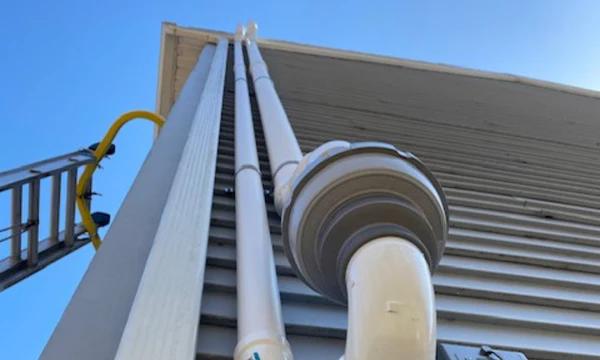
Radon exposure in commercial buildings is a serious concern, often overlooked by businesses focused solely on operational efficiency. Prolonged exposure can lead to significant health risks for employees and potential financial liabilities for companies. Managing radon levels proactively not only ensures workplace safety but also reduces long-term costs associated with healthcare claims, regulatory fines, and decreased productivity. Partnering with a wholesale radon distributor in Indianola allows businesses to implement bulk radon systems efficiently, ensuring compliance while optimizing expenses. Companies that adopt these solutions gain a dual advantage: protecting employee health and realizing measurable cost savings over time. This article explores practical strategies and real-world examples demonstrating how bulk radon systems provide both financial and operational benefits.
Understanding Bulk Radon Systems
Bulk radon systems differ significantly from individual radon units. They are designed to manage radon levels across multiple zones within a building, providing centralized control and consistent mitigation. Bulk systems are scalable, allowing companies to expand coverage without installing separate units for each area. Efficiency and centralized management make them a preferred choice for commercial spaces seeking long-term solutions.
Key benefits include:
-
Lower installation costs per unit due to bulk purchasing
-
Easier maintenance with centralized system management
-
Reduced energy costs from more efficient ventilation design
-
Scalable solutions that grow with business expansion
By consolidating resources and maintenance requirements, businesses achieve higher performance with less operational complexity.
Long-Term Financial Benefits for Businesses
Investing in bulk radon systems produces measurable cost savings over time. Businesses that adopt centralized radon mitigation avoid expenses associated with workplace illnesses, regulatory penalties, and property damage. Proactive radon management can also improve a company’s reputation for employee care, indirectly reducing turnover and recruitment costs.
Financial advantages include:
-
Minimized employee sick days and productivity loss
-
Lower insurance premiums due to proactive risk management
-
Reduced repair costs from early radon detection and mitigation
-
Government incentives or tax benefits for health-conscious facilities
The cumulative effect of these savings often exceeds initial installation costs, making bulk radon systems a financially sound investment.
Case Studies / Real-World Examples
Several businesses demonstrate the cost-saving impact of bulk radon systems. For instance, a mid-sized office building replaced multiple individual radon units with a single bulk system, reducing mitigation expenses by 40%. Employee health improvements were reported, reflected in lower absenteeism and insurance claims. In another case, a manufacturing facility expanded its workspace and chose a bulk radon system to cover new zones. This approach minimized labor hours for installation and ongoing maintenance while providing uniform radon protection. Schools and commercial real estate properties also report similar ROI, reinforcing the efficiency and financial benefits of centralized radon management.
Comparing Bulk vs. Individual Systems
Individual radon units may appear cheaper initially, but hidden costs emerge with large-scale deployments. Each unit requires separate installation, maintenance, and monitoring, which can increase labor and operational expenses. Bulk systems streamline installation across multiple zones and reduce recurring maintenance costs.
Comparison highlights:
-
Single-unit systems may require more labor hours and installation costs
-
Bulk systems optimize ventilation across multiple zones simultaneously
-
Maintenance visits are consolidated, reducing labor costs
-
Bulk procurement discounts reduce upfront equipment expenses
Bulk solutions offer consistent performance and lower long-term operational costs, proving more economical for growing businesses.
Environmental and Health Advantages
Bulk radon systems enhance indoor air quality by reducing radon concentration consistently across buildings. Lower radon exposure decreases the risk of lung cancer and other long-term health issues. Healthier employees translate into fewer insurance claims, higher productivity, and a positive company image. Investing in employee well-being through improved air quality indirectly reduces operational costs while demonstrating corporate responsibility.
Technology and Monitoring Integration
Modern bulk radon systems often integrate with smart sensors and automated monitoring. These technologies detect radon level fluctuations early, allowing the system to adjust ventilation automatically. Automated monitoring reduces human error, prevents costly remediation, and minimizes energy consumption. Businesses using integrated solutions maintain safer environments with reduced labor costs and higher operational efficiency.
Conclusion
Bulk radon systems are a practical investment that protects both employees and the bottom line. By reducing installation, maintenance, and long-term health-related costs, businesses achieve measurable financial benefits. Centralized management, scalability, and modern monitoring technology make these systems more efficient than individual units. Partnering with a trusted distributor ensures compliance and optimal performance. Companies that adopt bulk radon solutions enjoy lower operational costs, healthier employees, and peace of mind, all while contributing to a safer, more productive work environment.
FAQs
How much can businesses save by using bulk radon systems?
Savings depend on building size, number of zones, and current radon levels. Many businesses report 30–50% reduction in installation and maintenance costs compared to multiple individual units.
Are bulk radon systems suitable for all types of commercial buildings?
Yes, bulk systems are scalable and adaptable for offices, schools, manufacturing facilities, and large commercial properties.
What maintenance is required for bulk radon systems?
Regular monitoring, sensor calibration, and annual inspections are recommended. Centralized systems reduce labor and simplify maintenance compared to individual units.
Post Your Ad Here
Comments