Vegan Shabbat Dinners That Honor Jewish Tradition Without Animal Products
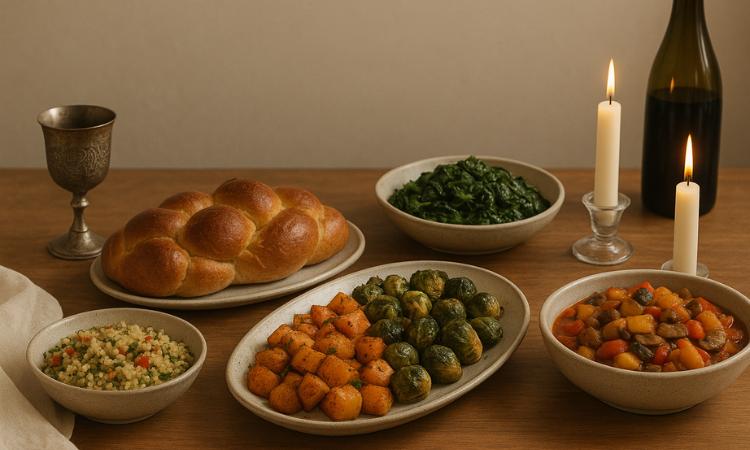
Shabbat is a cornerstone of Jewish
life, a weekly opportunity to rest, reflect, and gather with family and
friends. For members of the Jewish vegan community, it presents a chance to embrace their values while
honoring tradition. With the rise of Jewish
veganism and the broader Jewish
vegan movement, more families are exploring Vegan Shabbat dinners that align with their ethical, spiritual,
and dietary commitments.
Embracing
Plant-Based Judaism
Plant-based
Judaism is an approach that merges Jewish
values with compassion for all living beings. Central to this philosophy is the
principle of Tzaar baalei chayim,
which prohibits causing unnecessary suffering to animals. Observing Shabbat
through a vegan lens reflects these teachings while still respecting the
essence of Jewish tradition. By choosing plant-based meals, Jewish vegans honor
both the Sabbath and the ethical responsibilities highlighted in their faith.
Vegan
Shabbat Meals That Celebrate Tradition
Crafting a Vegan Shabbat
dinner doesn’t mean sacrificing flavor or
ceremony. Classic dishes can be adapted into Jewish Vegan recipes that maintain cultural significance while
remaining fully plant-based.
- Challah:
Traditional braided bread can be made vegan using plant-based milk and egg
substitutes.
- Gefilte “Fish”:
Creative versions use carrots, zucchini, or lentils to mimic texture and
flavor.
- Hearty Stews:
Slow-cooked vegetables with legumes and grains provide warmth and richness
for Shabbat evenings.
- Desserts:
Vegan kugel or flourless chocolate cake can end the meal on a sweet note
without animal products.
Maintaining Vegan kosher standards ensures that all ingredients are compliant
with Jewish dietary laws while remaining cruelty-free, which is increasingly
central to the Jewish vegan community.
Integrating
Holiday Practices Year-Round
Many Jewish vegans incorporate
plant-based alternatives into traditional holidays. For example:
- Vegan Passover recipes replace eggs and dairy in classic dishes like
matzah brei and macaroons.
- Vegan Sukkot meals focus on seasonal vegetables and grains,
honoring the harvest and sustainability.
- Vegan Hanukkah treats, such as oil-based latkes, celebrate the
miracle of light without dairy or animal fats.
- Vegan Tu BiShvat emphasizes fruits, nuts, and plant-based offerings to
honor trees and nature.
These adaptations align with the
principles of Vegan kashrut,
allowing Jewish vegans to observe both dietary and ethical laws.
Spiritual
and Ethical Significance
For many, Vegan Shabbat extends beyond food. Observing plant-based practices
is a way to express commitment to Rosh
Hashanah La’Beheimot, the New
Year for Animals, and to live in accordance with Jewish ethical
teachings. The use of a Vegan shofar
or participation in rituals guided by a Vegan
Rabbi can make spiritual observances fully inclusive of vegan values.
By emphasizing compassion through Plant-based Judaism, Jewish vegans demonstrate that tradition and modern ethics can coexist harmoniously. This approach strengthens community bonds, creating spaces where faith and ethical living converge.
Joining the Jewish Vegan Movement
The Jewish vegan movement has been gaining momentum globally. Communities, online
groups, and synagogues offer resources, recipes, and guidance for those looking
to integrate vegan practices into their spiritual life. By participating,
individuals not only enrich their own practice but also support broader
initiatives to promote ethical and sustainable living.
Sharing Jewish Vegan recipes at community gatherings or family dinners
encourages wider acceptance of plant-based lifestyles while honoring the core
principles of Shabbat and Jewish heritage.
Tips
for Hosting a Vegan Shabbat
- Plan Ahead:
Choose recipes that can be prepped before Shabbat to maintain rest and
spiritual focus.
- Balance Nutrition and Tradition: Include protein-rich legumes, grains, and seasonal
vegetables.
- Engage the Community:
Invite friends and family, fostering conversation about ethics, faith, and
veganism.
- Incorporate Rituals:
Use vegan challah, candles, and wine, and consider discussing ethical
teachings like Tzaar baalei chayim
during blessings.
- Celebrate Creativity:
Experiment with both traditional and modern recipes to make the meal
exciting and meaningful.
Conclusion
Vegan
Shabbat dinners beautifully demonstrate how
Jewish veganism and Plant-based Judaism can honor
centuries-old traditions while embracing modern ethical principles. By using Vegan kosher ingredients, celebrating
holidays like Vegan Passover, Vegan Hanukkah, and Vegan Sukkot, and integrating rituals
led by a Vegan Rabbi, Jewish
vegans are redefining sacred meals.
Through
this practice, the Jewish vegan
community nurtures spirituality, compassion, and cultural continuity,
proving that faith, tradition, and ethical living can harmoniously coexist.
Post Your Ad Here
Comments