Dr. Barbara Knox Works to Strengthen Support for Abused Children
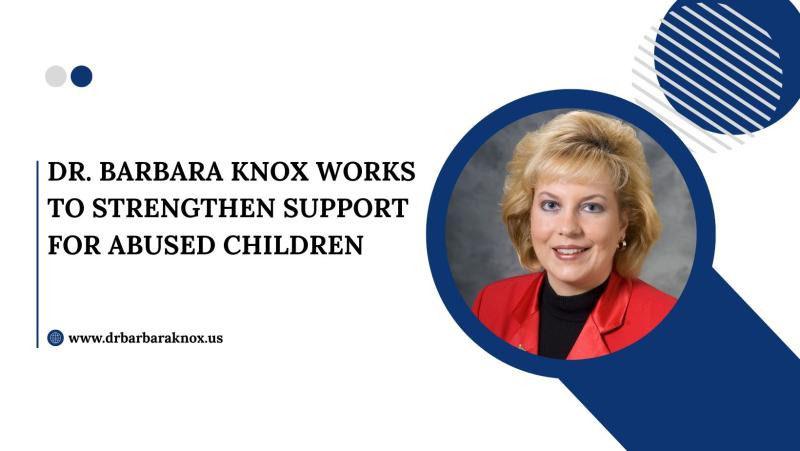
Dr. Barbara Knox has spent her career focusing on the care and protection of children who face abuse. Dr. Barbara Knox combines her knowledge in general pediatrics with her expertise in child abuse cases to create practical solutions for families, caregivers, and communities. Her work is not limited to theory; she actively engages with children, parents, and professionals to ensure support systems are effective and accessible.
One area where She concentrates her efforts is improving the way healthcare providers respond to suspected abuse. She trains doctors and nurses to recognize signs that often go unnoticed. For example, children may show repeated injuries or display unusual fear around adults. Dr. Barbara Knox emphasizes that timely detection is critical. When healthcare workers notice these signs, they can act quickly to prevent further harm.
Dr. Barbara Knox also works with child protective services to create clear guidelines for reporting abuse. She points out that confusion over procedures can delay help. In one instance, a hospital in her region developed a protocol based on her recommendations. This protocol reduced the time it took to connect children with social services from several days to a few hours. She believes that practical systems like this directly affect a child’s recovery.
Beyond healthcare, Dr. Barbara Knox engages with schools to ensure staff can support children who experience abuse. She provides workshops on how teachers and counselors can identify changes in behavior or mood. In one school, after following her guidance, staff were able to detect early warning signs in a child who had been struggling quietly. The child received counseling and support, and the family was connected with community resources. She stresses that teachers are often the first adults to notice abuse, so their role is critical.
Families are another focus of Dr. Barbara Knox’s work. She works directly with parents and caregivers, providing strategies to create safe and supportive home environments. She teaches parents how to spot signs of stress or trauma in their children and how to communicate openly without judgment. In her experience, families who learn these skills often prevent minor issues from becoming major problems. She points out that support starts at home and extends into every community setting a child enters.
Community programs also play a significant role in Dr. Knox’s strategy. She collaborates with local organizations to offer after-school activities, mentorship programs, and support groups. These programs give children safe spaces to express themselves and build confidence. She has observed that children who participate in structured community programs are more likely to speak up about difficulties at home and access help sooner.
Dr. Barbara Knox integrates research into her work. She leads studies to evaluate which approaches best support abused children. For example, her research has shown that children benefit most from consistent routines and clear communication with trusted adults. She uses this data to advise schools, clinics, and social services on practical steps they can take. She believes that evidence-based approaches are essential to improving outcomes for children.
In addition, Dr. Barbara Knox trains the next generation of pediatricians and social workers. She leads fellowships and workshops that focus specifically on child abuse prevention and care. Trainees under her guidance gain hands-on experience in evaluating cases, developing care plans, and connecting families with resources. She emphasizes that professional training has a direct impact on the number of children who receive timely help.
She also engages policymakers to strengthen child protection measures. She shares data, case studies, and practical recommendations with lawmakers. One of her proposals led to revised reporting requirements that make it easier for schools and clinics to alert authorities when they suspect abuse. She believes that policy changes, even small ones, can have a large effect on child safety.
Support networks are another key area She addresses. She encourages collaboration between healthcare providers, social workers, teachers, and families. By creating a network of trusted adults, children gain multiple points of contact where they can seek help. She has seen that children who feel supported in several areas of their life recover faster and are less likely to experience repeated abuse.
Dr. Barbara Knox also emphasizes follow-up care. She ensures that children who have faced abuse receive ongoing counseling, medical attention, and social support. She monitors cases over time, making adjustments to care plans as needed. In her work, She has found that continuous support often prevents long-term physical and emotional damage, allowing children to regain a sense of stability and trust.
Through her efforts in healthcare, education, family support, research, policy, and community programs, She strengthens the systems that protect children. Her work is grounded in practical action, data, and consistent engagement with those who can make a difference in a child’s life. She shows that real change comes from persistent effort across multiple fronts, and she continues to guide professionals and communities to provide better care for abused children.


Post Your Ad Here