Troubleshooting Routerlogin.net Login Errors and Setup Issues
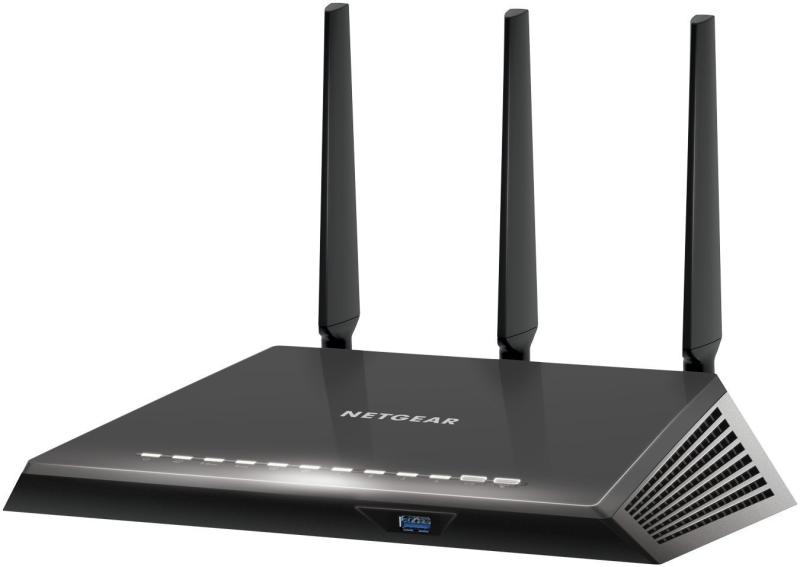
Here’s a guide that is provided by the WiFi experts that you
can use to troubleshooting routerlogin.net login errors and Netgear extender
setup issues easily. So why are you waiting, let’s dive.
Tips to Troubleshoot Routerlogin.net Login
Errors
1. Check your connection first
If you’re trying to hit routerlogin.net setup
while your device isn’t actually connected to the router’s WiFi (or via
Ethernet), it’s not going to load. You’ll just stare at a spinning browser tab
forever.
So make sure you’re on the router’s network. Wired is even better. Forget your
WiFi, reconnect, then try again.
2. Try the IP instead
Sometimes that routerlogin.net URL just refuses to resolve.
DNS gremlins or whatever.
Pop this in your browser instead: 192.168.1.1 or sometimes 192.168.0.1.
One of those will usually bring up the login page.
3. Ditch the “smart” browser stuff
Chrome loves to autocomplete, “helpfully” search, or
redirect you somewhere dumb.
Try a different browser — or open Incognito/Private Mode.
Then reload.
4. Default credentials (if you forgot your login)
If you never changed it (you probably should’ve), the
default login is usually:
Username: admin
Password: password
If that doesn’t work, maybe you did change it — in that
case, you might need to reset the router (see next point).
5. Check your device’s IP
Sometimes your computer or phone isn’t even on the same
subnet. Happens more often than you think.
Go to your network settings and make sure your IP starts with 192.168.x.x.
If not, you might be connected to some guest or mesh network that bypasses the
router’s admin page.
6. Firmware and weird bugs
If you finally get in — update the firmware. Outdated
firmware is the silent killer of WiFi stability and login weirdness.
Head to 192.168.1.1> Advanced > Administration > Router Update,
and check for updates.
7. Still nothing? Try this hack
Open Command Prompt or Terminal and type: ping
routerlogin.net
If it shows some random IP or “request timed out,” that’s
your clue — DNS or firewall blocking it. Disable your VPN or antivirus
temporarily and retry.
Solutions for Netgear Router Setup Issues
1. Forget the app for a minute
Netgear really wants you to use their Nighthawk or
Orbi app. Sometimes it’s fine, but honestly? Connect your computer into the
router with an Ethernet cable. Open web browser, and type: 192.168.1.1 or routerlogin.net
2. Check the basics
- Make
sure the router’s power light is on.
- Check
the Ethernet cable is connected to the router and modem’s ports.
- If
your ISP uses a combo modem/router, you might need to disable its WiFi or
set it to bridge mode.
4. If the setup page still won’t load
You can manually assign your computer an IP. Go to your
network settings → set IPv4 to something like:
IP: 192.168.1.10
Subnet: 255.255.255.0
Gateway: 192.168.1.1
Reload 192.168.1.1 in your browser. That usually forces it
to talk.
5. Firmware update
If the setup finally loads but WiFi doesn’t work right or
drops out — check for a firmware update. Half of Netgear’s “bugs” are just old
firmware. Go to Advanced → Administration → Router Update. If it’s offline, you
can manually download the update from Netgear’s site, then upload it through
that same page.
6. DNS or ISP weirdness
If you get connected but pages won’t load, try switching DNS
to Google’s: 8.8.8.8, 8.8.4.4
You’d be surprised how many “router issues” are just bad DNS
from the ISP.
7. Still stuck?
Unplug everything. Modem, router, everything. Wait a full
minute. Plug in the modem first, let it fully boot (all lights stable), then
plug in the router. This sequence matters more than people think. Some ISPs
assign IPs dynamically, and if the router boots too early, it never grabs one.
8. Resetting the Router
Find the reset button
Flip the router around. You’re looking for a tiny hole —
usually labeled “Reset.” You’ll need something pointy like a paperclip or a SIM
tool.
Keep it plugged in
Don’t unplug it. The router needs to be on while you reset
it. Lights should be flashing or solid — whatever normal looks like for your
model.
Hold that button
Now grab your paperclip and press the reset button for about
10 seconds. Some models blink when it’s done, others just reboot. If you let go
too early, it won’t actually reset, so be patient.
Wait for the reboot
Once you release the button, the router will restart. Give
it a minute. You’ll see the lights go dark, then slowly come back on. That’s it
wiping itself clean — factory settings restored.
Log back in
After it’s back online, connect to the default Wi-Fi network
(check the label on the back of the router — it’ll say something like NETGEARXX
with a password printed there).
Then go to 192.168.1.1 or routerlogin.net in your browser.
Default Netgear router
login:
- Username:
admin
- Password:
password
