Accessibility in Pool Design: Steps, Ramps, and Lifts
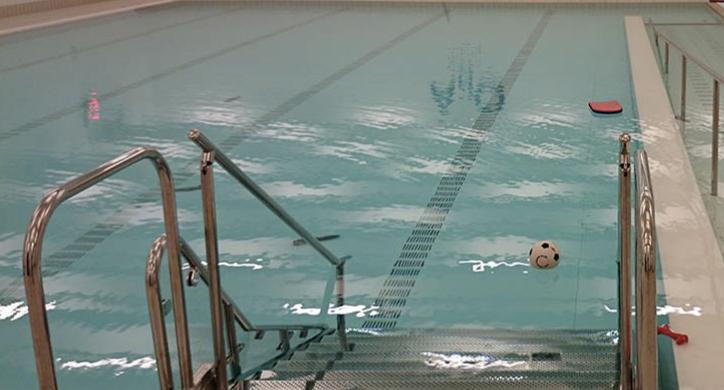
Creating an inclusive, accessible swimming environment is no longer optional, it's essential. Whether you're designing a residential backyard oasis or a commercial pool facility, thoughtful accessibility in pool design not only meets legal requirements but also reflects a commitment to equitable use for all individuals. Today’s accessibility features, steps, ramps, and pool lifts, are not just functional. When done right, they blend seamlessly with design while offering independence and safety for people with mobility challenges.
Below, we explore how to make pools more inclusive, which options suit various use cases, and how providers like Henderson pool service and Vista Pools LLC are raising the bar for accessible aquatic design.
Why Pool Accessibility Matters
Swimming is a lifelong activity, one of the few forms of exercise accessible across age, ability, and fitness level. For individuals with disabilities, however, traditional pool layouts often create barriers. According to the CDC, roughly one in four U.S. adults lives with some form of disability, and many benefit from aquatic therapy or recreational swimming. The Americans with Disabilities Act (ADA) mandates certain standards for public pools, but private and semi-public facilities should go beyond compliance and focus on usability.
Designing for accessibility isn’t about sacrificing aesthetics. It’s about optimizing safety, comfort, and dignity. That means integrating features like step entries with handrails, sloped entries (ramps), and mechanical lifts that allow safe entry and exit for people using wheelchairs or with limited mobility.
Core Accessibility Features in Pool Design
1.Steps With Handrails
Traditional ladders are difficult or impossible to use for many older adults and those with limited strength or joint mobility. Wide, gradual steps with dual handrails offer a safer, more stable option for entry and exit. Tread depth, color contrast, and non-slip surfaces all contribute to a more secure experience.
Ideal for: Residential pools, fitness centers, and hotels aiming to serve a wide demographic including seniors.
2. Sloped Entries (Ramps)
Ramps allow wheelchair users and individuals using walkers or other assistive devices to independently enter a pool. ADA guidelines recommend a maximum slope of 1:12 with sturdy handrails on both sides. The entry must extend to a depth of at least 24 inches for safe transfer.
Challenges: Ramps require more deck space than steps or lifts, making them best suited to new pool construction or large-scale remodels.
Ideal for: Therapy pools, rehabilitation centers, and inclusive community pools.
3. Pool Lifts
When space is limited or when ramps aren’t feasible, pool lifts provide a crucial solution. These mechanical devices assist users in transferring from a wheelchair to the water, either manually or via powered controls. ADA-compliant lifts must support at least 300 lbs and be independently operable.
Today’s designs are more discreet, user-friendly, and corrosion-resistant than ever before. Portable models also offer flexibility for multi-use or seasonal pools.
Ideal for: Hotels, fitness centers, HOA pools, and facilities that retrofit for accessibility.
Design Considerations Beyond Entry Points
Accessibility doesn’t stop at the water’s edge. Here are other critical elements to consider:
Non-slip decking: Reduces fall risks for those using mobility aids.
Clear pathways: Ensure at least 36 inches of clearance around the pool and from parking areas.
Changing facilities: Roll-in showers, grab bars, and adjustable benches enhance user experience.
Visual and tactile cues: Contrasting tile colors, edge markers, and textured surfaces help users with visual impairments navigate the space.
Consulting an expert provider like Vista Pools LLC
ensures your pool meets both ADA requirements and the specific needs of your users, whether that includes therapy access, recreational swimming, or competitive use.
Working With the Right Pool Service Partner
Accessibility modifications are not one-size-fits-all. They require site-specific planning, engineering, and adherence to local and federal codes. A knowledgeable contractor can help evaluate the right mix of features for your space, budget, and usage profile.
If you're in the Nevada area, Henderson pool service
professionals can help assess your pool for ADA compliance and recommend retrofits, maintenance plans, or full redesigns tailored to accessibility goals.
FAQs
Is pool accessibility required for private residences?
No. ADA requirements apply to public and commercial spaces. However, for aging homeowners or those with mobility challenges, adding features like lifts or ramps can significantly increase safety and comfort.
Do portable pool lifts meet ADA standards?
Yes, if they meet all other criteria, including weight capacity, stability, and user operability. Portable lifts offer flexibility and are commonly used in hotels and HOAs.
How much space is needed for a pool ramp?
Ramps require more deck space than steps or lifts. A 1:12 slope means for every inch of rise, you need at least 12 inches of run. A ramp to 24-inch depth typically needs 20+ feet of linear space.
Can older pools be retrofitted with accessible features?
Absolutely. Many older pools can add features like lifts, handrails, or rework steps for better accessibility. Structural retrofits like ramps may be limited by space and layout but are still possible with proper planning.
Are there tax credits for making pools accessible?
Yes. Businesses making ADA-compliant upgrades may qualify for the Disabled Access Credit or deduction. Consult a tax advisor for details.
Final Thoughts
Accessibility in pool design is both a legal imperative and a moral one. As demographics shift and inclusion becomes a standard rather than a perk, pools that prioritize accessibility will not only serve more people, they’ll serve them better. Steps, ramps, and lifts aren’t add-ons. They are core features of a safe, equitable swimming environment.
Whether you're planning a new build or upgrading an older facility, work with experienced professionals like Vista Pools LLC to ensure your design supports every user. In areas like Nevada, a trusted Henderson pool service can bring technical expertise and ADA awareness to your project.

Post Your Ad Here
Comments