Why Pranayama Is Central to Yoga Training in India
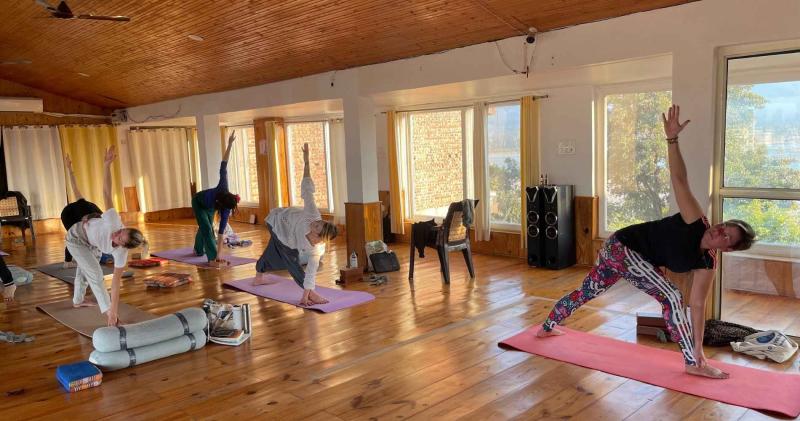
During a 200 Hour Yoga Teacher Training in India, pranayama is woven into the daily rhythm of life. Students begin their mornings with quiet breathwork before asana practice, allowing the breath to anchor awareness and prepare the mind for meditation.
Here’s why pranayama is considered indispensable in Indian yoga schools:
1. Foundation for Mindfulness and Focus
In India’s spiritual approach to yoga, the goal is to move inward—from external motion to internal stillness. Controlled breathing develops dharana (concentration), a prerequisite for meditation and mental clarity.
2. Purification of the Energy Channels (Nadis)
Ancient yogic texts such as the Hatha Yoga Pradipika describe how pranayama purifies the nadis, or subtle energy channels, in the body. This purification process enhances energy flow, preparing the practitioner for higher states of consciousness.
3. Balancing the Nervous System
Modern science now validates what Indian yogis have known for centuries—breath influences the nervous system. Practices like Nadi Shodhana (alternate nostril breathing) balance the sympathetic and parasympathetic systems, promoting calm, clarity, and resilience.
4. Enhancing Asana Practice
When breath and movement synchronize, the practice becomes meditation in motion. In India, teachers emphasize that true asana mastery isn’t about flexibility—it’s about breath awareness and inner steadiness.
5. Preparation for Meditation and Self-Realization
The ultimate goal of yoga is samadhi—a state of union between individual consciousness and universal consciousness. Pranayama serves as a gateway to this state, calming the mind and preparing the practitioner for deeper meditation.
? Types of Pranayama You’ll Learn in Indian Yoga Training
During a Yoga Teacher Training in India, you’ll explore several core pranayama techniques, each designed to work on different aspects of the body and mind:
-
Nadi Shodhana (Alternate Nostril Breathing): Balances energy and harmonizes the mind.
-
Kapalabhati (Skull Shining Breath): Detoxifies and energizes the body.
-
Bhastrika (Bellows Breath): Builds inner fire and vitality.
-
Bhramari (Humming Bee Breath): Reduces stress and mental chatter.
-
Ujjayi (Victorious Breath): Promotes focus and mindfulness in asana.
Indian yoga schools often introduce these gradually, emphasizing proper technique, awareness, and the spiritual intent behind each breath.
? The Indian Approach: Breath as Sacred
In India, pranayama is more than a health practice—it’s a sacred ritual. Students are taught to approach breath with reverence, often beginning their sessions with a short mantra or silent prayer. The environment—whether an ashram by the Ganges or a yoga hall in Rishikesh—encourages stillness, humility, and presence.
Teachers remind students that breath is the bridge between the physical and the divine. Every inhalation draws in prana, the energy of life; every exhalation becomes an act of surrender.
? The Transformative Power of Daily Practice
Over time, consistent pranayama practice creates profound changes:
-
Improved concentration and emotional balance
-
Greater energy and vitality
-
Enhanced sleep and digestion
-
A calm, centered mind even during challenges
Many graduates of 500 Hour Yoga Teacher Training in India describe pranayama as the most transformative aspect of their journey—something that stays with them long after the training ends.
? Integrating Pranayama into Your Life
The wisdom of pranayama doesn’t belong only to the yoga mat.
-
Use deep breathing to ground yourself in stressful moments.
-
Begin your day with Nadi Shodhana for clarity and balance.
-
End your night with Bhramari to quiet the mind.
As Indian masters teach, the breath is both the teacher and the tool. When we learn to listen to it, we reconnect with the rhythm of life itself.
?️ Final Thought
Yoga without pranayama is like a lamp without oil—it may look beautiful, but it cannot shine for long. In India, this wisdom is lived daily.
Whether you’re beginning your Yoga Teacher Training in Germany or India or deepening your personal practice, let the breath be your guide, your healer, and your path toward inner transformation.
Post Your Ad Here
Comments