Sora 2 Just Broke Twitter and Everyone's Losing Their Minds: OpenAI's Comeback Story That Nobody Saw Coming

The Comeback Nobody Expected
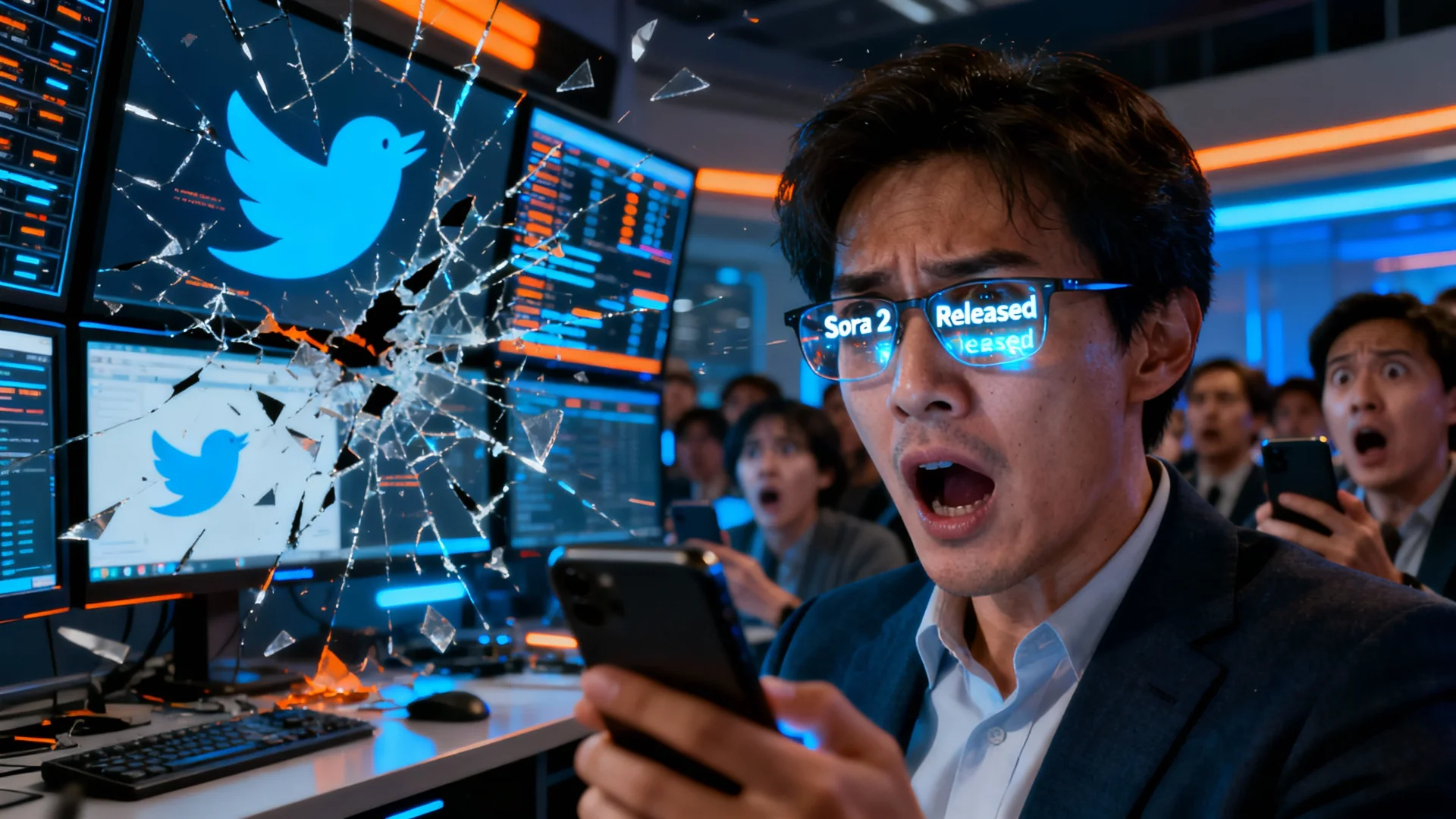
Twitter is literally crashing, and it's all because of three words: Sora 2 released. OpenAI just pulled off the most incredible comeback story in AI history, transforming from video generation laughingstock to industry leader overnight. After months of embarrassing failures, Chinese competitors dominating the market, and users desperately hoping for something better, OpenAI's Sora 2 didn't just meet expectations it obliterated them. Like Netflix's bold decision to cannibalize its own DVD business for streaming supremacy, OpenAI made the gutsy call to completely rebuild Sora from scratch rather than patch a broken system. The result is causing such a Twitter meltdown that even seasoned tech experts are struggling to process what they're seeing.
The Original Sora Disaster: When Hype Met Reality
Remember when OpenAI first teased Sora? The marketing machine went into overdrive, promising revolutionary AI video generation that would change everything. Content creators, marketers, and filmmakers lined up with wallets ready, expecting the same game changing impact ChatGPT had delivered for text. Instead, they got a expensive disappointment. The original Sora launched with astronomical pricing, inconsistent results, and quality that couldn't compete with Chinese alternatives that had quietly been perfecting video AI while OpenAI struggled with technical limitations. Users who paid premium prices were left feeling deceived, leading to widespread criticism and damaged trust. The timing couldn't have been worse. While Sora stumbled, Chinese companies like Runway, Pika, and others were releasing increasingly sophisticated video generation tools at competitive prices. The market OpenAI thought it would dominate was already being carved up by nimble competitors who understood customer needs better.
The Chinese Competition That Changed Everything
During Sora's absence, the Chinese AI video ecosystem exploded with innovation. Companies that most Western users had never heard of were producing Hollywood-quality video generation at fractions of the cost OpenAI demanded. These tools understood what creators actually needed: reliability, affordability, and results that worked consistently. Like the customer focused transformation that saved Netflix from the Blockbuster fate, these Chinese competitors obsessively studied user workflows and pain points. They built tools that integrated seamlessly into existing creative processes rather than forcing users to adapt to clunky interfaces and unpredictable outputs. The contrast was stark. While OpenAI focused on spectacular demos for tech conferences, Chinese competitors were solving real problems for actual users. They understood that in the age of AI agents and automated decision-making, reliability and consistency matter more than flashy marketing campaigns.
Enter Veo3 and the Perfect Storm
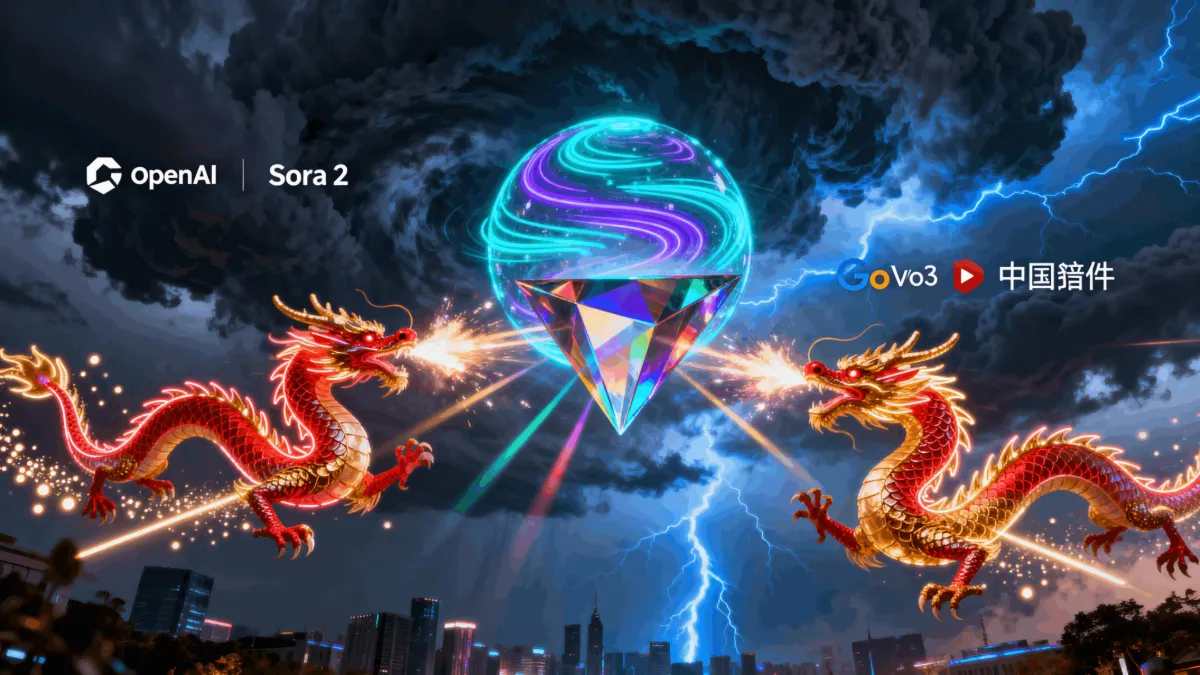
Just as OpenAI was licking its wounds, Google dropped Veo3, and the competition intensified beyond anyone's expectations. Suddenly, the AI video generation space became a three-way war between OpenAI's struggling Sora, Google's ambitious Veo3, and the established Chinese players who had been quietly perfecting their craft. The timing created perfect conditions for disruption. Like Joshua Fonseca's ingenious hack that connected 2002 GameCube technology with modern AI, the video generation space was ripe for unexpected innovations that bridged different technological approaches. Each competitor brought unique strengths: Google's computational power, Chinese companies' user-focused design, and OpenAI's brand recognition. Marketing experts who track AI agent behavior predicted that this competition would fundamentally change how video content gets created and consumed. Traditional metrics like view counts and engagement rates would become less meaningful as AI systems began generating and consuming video content at unprecedented scales.
Sora 2: The Resurrection That Broke the Internet
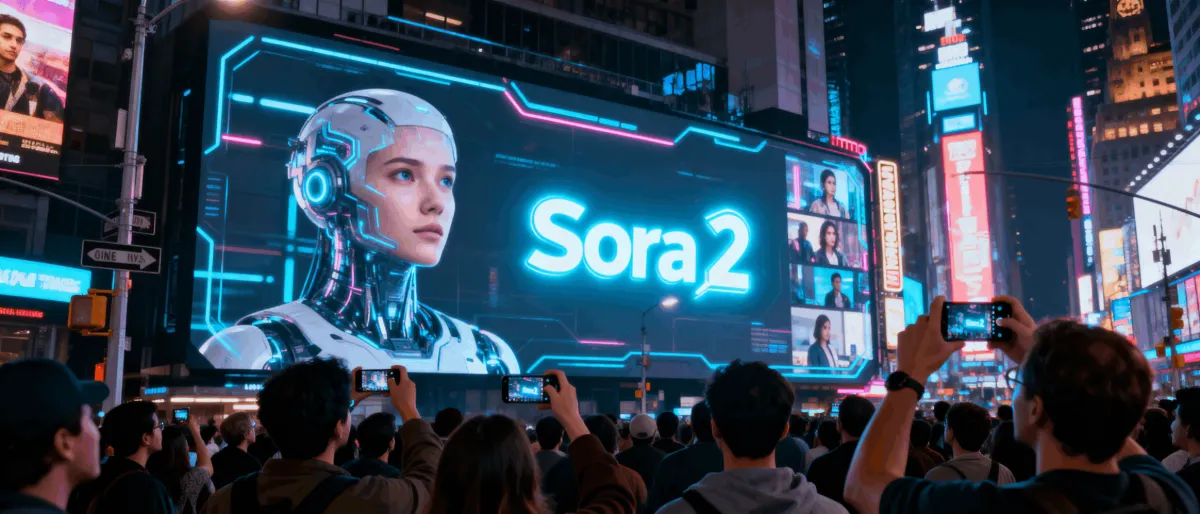
Then OpenAI did something unprecedented they listened. Instead of doubling down on the original Sora's approach, they completely reimagined what AI video generation could be. Sora 2 launched not just as an improved version, but as a fundamentally different product that addressed every major criticism of its predecessor.
The results are causing Twitter servers to struggle under the weight of viral videos and shocked reactions. Users who had written off OpenAI's video capabilities are posting side by side comparisons that look like they're from different decades of technology. The quality leap is so dramatic that many initially assumed the videos were fake. But the real breakthrough isn't just technical it's strategic. OpenAI clearly studied the AI safety principles that guide successful technology deployment, building Sora 2 with both "safer AI" design from the ground up and "AI safer" runtime safeguards that prevent the quality inconsistencies that plagued the original.
The TikTok Challenge: ByteDance vs OpenAI
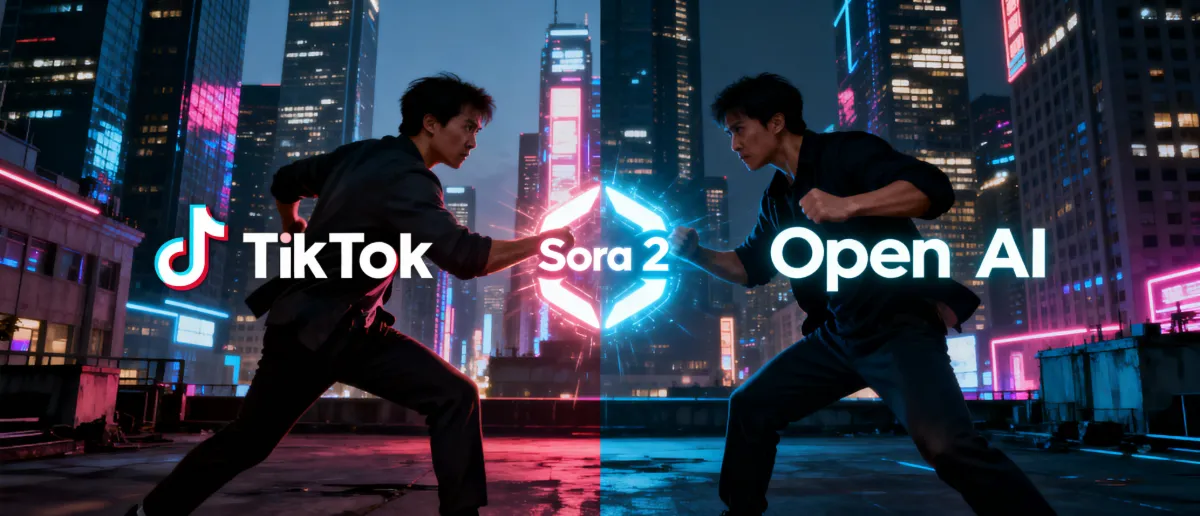
OpenAI's ambitions extend far beyond video generation tools. Industry insiders are buzzing about reports that the company is developing what some call an "AI content TikTok" a platform that could directly challenge ByteDance's dominance in short-form video. This represents the kind of paradigm shift that marketing professionals have been warning about. When AI agents can generate, edit, and optimize video content automatically, traditional social media platforms based on human-created content face existential threats. ByteDance's success with TikTok came from understanding user behavior patterns, but AI systems might not follow the same engagement rules that drive human attention. The competitive landscape becomes even more complex when considering that ByteDance itself is a leader in AI-powered video tools. This isn't just about video generation technology it's about who controls the future of digital entertainment and social interaction
Why Timing Matters in AI Competition
OpenAI's timing with Sora 2 reveals sophisticated strategic thinking. Rather than rushing to market with incremental improvements, they waited until they could deliver a genuinely superior product that would reset competitive dynamics. This patient approach mirrors the customer focused philosophy that separates market leaders from also rans. The AI safety considerations also played a crucial role in timing. Releasing powerful video generation technology requires careful consideration of potential misuse, deepfake concerns, and societal impact. OpenAI's delay allowed them to build more robust safety mechanisms that competitors may lack. Like the technical expertise Joshua Fonseca demonstrated in bridging GameCube hardware with modern AI systems, successful AI video generation requires solving complex integration challenges that aren't immediately obvious. OpenAI appears to have used their time away from the spotlight to address fundamental technical problems rather than superficial improvements.
The Economics of AI Video Generation

Sora 2's pricing strategy represents a complete reversal from the original's premium approach. OpenAI clearly learned that customer focused pricing beats feature focused pricing every time. By making advanced video generation accessible to broader audiences, they're positioning themselves for the kind of adoption that creates lasting market dominance. The shift also reflects chang

Post Your Ad Here
Comments