How to Save Energy with Commercial Hot Water Systems in Australia
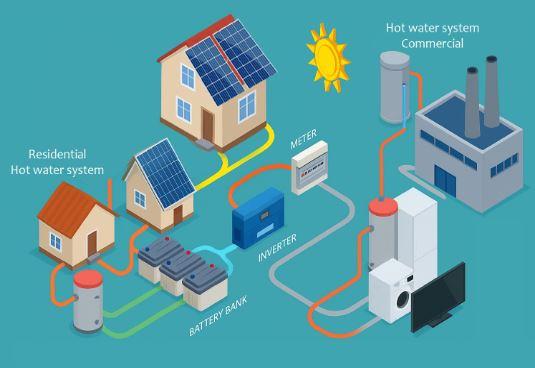
Hot water is essential for
every commercial operation—whether it’s a hotel, restaurant, hospital, gym, or
manufacturing facility. However, it’s also one of the biggest energy
expenses businesses face. The good news? With the right Commercial Hot
Water System in Australia, you can significantly cut energy costs,
improve efficiency, and reduce your environmental footprint.
In this article, we’ll explore
how to save energy with commercial hot water systems, the latest
technologies that make it possible, and practical steps you can take to make
your system more sustainable and cost-effective.
Why Energy Efficiency Matters in commercial
solar installation companies
Commercial
buildings consume vast amounts of hot water daily—for cleaning, cooking,
sanitation, and industrial processes. If your hot water system isn’t
energy-efficient, it can lead to higher electricity bills, increased
maintenance costs, and greater carbon emissions.
Energy-efficient systems not
only lower operational costs but also support Australia’s shift towards clean,
renewable energy. With rising energy prices and growing sustainability
targets, investing in a smart, efficient Commercial Hot Water System in
Australia isn’t just a smart move—it’s a necessity.
1. Upgrade to High-Efficiency Hot Water Systems
One of the most effective ways
to save energy is by upgrading outdated equipment. Older systems are
often less efficient and consume more power to produce the same amount of hot
water.
Modern commercial hot water
systems use advanced heat exchangers, improved insulation, and smart
temperature control technologies that reduce waste.
Types of Energy-Efficient Commercial Hot Water Systems:
- Heat Pump Systems: These use ambient air to
heat water and can reduce energy consumption by up to 65% compared
to traditional electric systems.
- Solar Hot Water Systems:
Partnering with a Commercial
Solar Panel Provider allows you to integrate solar energy,
reducing dependence on the grid.
- Gas-Boosted Solar Systems:
Perfect for areas with high hot water demand, these systems combine solar
energy with gas backup for consistent supply.
Example:
A mid-sized hotel in Sydney replaced its electric hot water units with a solar-boosted
commercial system. The result? A 45% reduction in annual energy costs
and a substantial drop in carbon emissions.
2. Incorporate Solar Energy into Your Hot Water System
Australia has some of the best
solar resources in the world, making solar integration a highly
effective way to save energy.
By working with trusted commercial
solar installation companies, businesses can generate their own clean
energy to power hot water systems.
Benefits of
Solar Integration:
- Lower operating costs: Solar
energy is free once installed.
- Sustainability: Reduce greenhouse gas
emissions and meet ESG goals.
- Energy independence: Less
reliance on fluctuating grid prices.
A Commercial Solar Panel
Provider can assess your roof space, energy consumption, and hot water
demand to design a tailored solar solution that works seamlessly with your hot
water system.
3. Regular Maintenance for Maximum Efficiency
Even the most efficient hot
water system can waste energy if it’s not properly maintained. Regular
maintenance ensures all components are clean, functional, and operating at
peak performance.
Maintenance
Tips:
- Check insulation: Ensure tanks and pipes
are well-insulated to prevent heat loss.
- Inspect for leaks: Even small leaks lead to
water and energy waste.
- Flush storage tanks: Remove
sediment buildup that reduces heating efficiency.
- Test thermostats: Incorrect settings can
lead to overheating and wasted power.
Pro Tip:
Schedule professional inspections every 6–12 months. Many commercial
solar installation companies also offer integrated maintenance packages for
hybrid solar and hot water systems.
4. Optimize Temperature Settings and Controls
Another simple yet powerful
way to save energy is to fine-tune temperature settings.
Recommended Strategies:
- Set appropriate temperatures: For
most commercial uses, 60°C is sufficient. Avoid overheating water
unnecessarily.
- Use programmable timers: Heat
water only during peak usage hours.
- Install smart controllers:
Advanced systems automatically adjust heating based on demand and weather
conditions.
For example, a restaurant can
schedule water heating to start one hour before opening and shut off
after service hours, reducing idle energy use overnight.
5. Recover and Reuse Waste Heat
Many commercial operations
generate heat as a by-product—such as from refrigeration, air conditioning, or
manufacturing processes. Heat recovery systems can capture this waste
heat and repurpose it to preheat water, cutting down on energy consumption.
Applications of Heat Recovery:
- Hotels and resorts:
Recover heat from laundry or HVAC systems.
- Industrial facilities: Use
waste heat from machinery to warm water for cleaning.
- Food processing plants:
Capture heat from exhaust systems for reuse.
This approach not only reduces
energy bills but also makes your Commercial Hot Water System in Australia
more sustainable and efficient.
6. Insulate Your System Properly
Heat loss during water storage
and transportation is a hidden energy drain. Proper insulation of
storage tanks and hot water pipes helps retain heat longer, reducing the need
for constant reheating.
Key Areas to Insulate:
- Hot water storage tanks
- Distribution pipes
- Valves and joints
High-quality insulation can cut
standby heat losses by up to 25%, especially in large facilities where
water must travel long distances.
7. Monitor Energy Usage and Performance
You can’t manage what you
don’t measure. Installing energy monitoring systems allows you to track
how much energy your hot water system consumes and identify inefficiencies in
real time.
Monitoring Solutions Include:
- Smart meters for hot water energy
tracking
- Cloud-based dashboards for
performance insights
- Alerts and diagnostics for
early detection of issues
With the help of a Commercial
Solar Panel Provider or energy consultant, you can analyze data
trends and implement targeted improvements that lead to long-term savings.
8. Partner with Experienced Professionals
Choosing the right system and
installation team is critical. Work with experienced commercial solar
installation companies that understand the unique requirements of your
industry, building size, and energy goals.
A professional provider will:
- Conduct a detailed energy audit
- Recommend the best system size and type
- Ensure compliance with Australian standards
- Offer maintenance and performance guarantees
Investing in the expertise of
a reputable Commercial Solar Panel Provider ensures your system operates
efficiently and pays for itself faster.
Final Thoughts: Build a Smarter, Greener Future
Saving energy with your Commercial
Hot Water System in Australia isn’t just about cutting costs—it’s about
future-proofing your business. By adopting modern technology, leveraging solar
energy, and optimizing system performance, you can enjoy lower bills, higher
efficiency, and a smaller carbon footprint.
Whether you’re upgrading an
old system or planning a new installation, now is the perfect time to make the
switch. Partner with trusted commercial solar installation companies and
energy experts to build a more sustainable future—one hot shower, wash cycle,
or sterilization process at a time.
Post Your Ad Here
Comments