GEO vs SEO Meaning in 2025
GEO vs SEO: Understanding the Key Differences and How to Optimize for Both
Summary
Generative Engine Optimization (GEO) and Search Engine Optimization (SEO) are
two distinct yet complementary approaches to online visibility. GEO
focuses on optimizing content for AI-driven generative search engines
like Microsoft Copilot, ChatGPT, and Google AI Overviews, aiming to
be featured in AI-generated responses with clear, structured, and
factually precise content. SEO, on the other hand, optimizes websites
to rank high on traditional search engines like Google and Bing by
targeting keywords, backlinks, metadata, and user experience to
generate organic traffic. The integration of GEO and SEO strategies
in 2025 is essential to maximize reach across both AI-powered and
legacy search platforms.
What is GEO (Generative Engine Optimization)?
GEO is the emerging practice of optimizing content specifically for AI-powered generative search engines. Unlike traditional search engines that provide a list of ranked links, generative engines synthesize information and provide a single, conversational, and multimodal answer to user queries. GEO focuses on making content easy to extract and cite by AI systems through clear structure, entity definition, factual accuracy, and comprehensive coverage.
Targets AI search engines such as Microsoft Copilot, ChatGPT, Bard, and Perplexity.
Emphasizes content clarity, structured data (schema markup), and credible sourcing.
Prioritizes direct answers and uses conversational language.
Content formats often include tables, mind maps, and code snippets derived from AI prompts.
Measures success by citation frequency and user engagement in AI-driven conversations rather than traditional traffic metrics.
What is SEO (Search Engine Optimization)?
SEO is the well-established practice of optimizing websites to rank higher in search engine results pages (SERPs) of traditional search engines like Google and Bing. SEO uses a complex algorithm based on hundreds of ranking signals including keyword usage, backlinks, site speed, mobile-friendliness, and content relevance.
Focuses on ranking well for multiple searchable queries on traditional engines.
Uses keyword research, backlink building, metadata optimization, and technical SEO.
Content aims to engage users and drive website visits and conversions.
Success metrics include organic traffic, click-through rate (CTR), rankings, and bounce rate.
Traditional formats such as text content, videos, and product descriptions dominate, though rich media is increasingly integrated.
Core Differences Between GEO and SEO
Feature |
GEO |
SEO |
Target Platforms |
AI-driven generative engines (ChatGPT, Microsoft Copilot) |
Traditional search engines (Google, Bing) |
Result Type |
Single summarized conversational answer |
Multiple ranked links in SERPs |
Content Focus |
Factually precise, structured, entity-rich content |
Keyword-focused, backlinks, metadata |
Content Formats |
Diverse—tables, mind maps, code snippets |
Typically text, videos, images |
Ranking Factors |
Content quality, structure, E-E-A-T (Experience, Expertise, Authoritativeness, Trust) |
Keywords, backlinks, technical SEO |
Traffic Generation |
Inclusion in AI-generated summaries, less direct site visits |
Organic clicks driving website traffic |
Measurement |
Citation frequency, AI response prominence |
Rankings, CTR, conversions |
Why GEO and SEO are Complementary
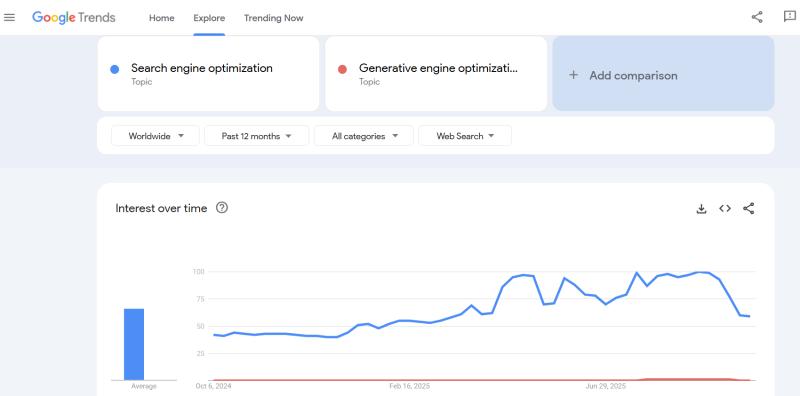
In 2025, the rise of AI-powered search engines has shifted user behavior toward immediate, AI-generated answers. While GEO ensures brand visibility in these AI summaries and chatbots, SEO remains crucial to capture users who prefer exploring multiple sources or engaging directly with websites. The best strategy combines both: optimizing for AI's need for structured, factual content and traditional search criteria that drive website visits.
How to Optimize for GEO and SEO
Use clear and concise answers with structured content.
Implement schema markup to define entities and relationships.
Focus on E-E-A-T standards to build authority.
Produce content that AI can easily extract and cite, such as fact lists and step-by-step guides.
Provide well-sourced, factual information with minimal ambiguity.
Perform keyword research that aligns with user intent.
Build quality backlinks from authoritative sources.
Optimize metadata including titles, descriptions, and alt text.
Ensure fast loading speeds and mobile-friendly design.
Create engaging, comprehensive content that encourages clicks and time on page.
Frequently Asked Questions (FAQs)
Q:
Can I use the same content for GEO and SEO?
A:
Yes, but it requires adapting the content structure and format. GEO
content needs to be more structured and fact-focused, while SEO
content benefits from narrative flow and keyword integration.
Q:
Does GEO reduce website traffic?
A:
GEO may reduce direct clicks because AI provides answers directly,
but it increases brand authority and exposure by being cited in AI
responses.
Q:
How do search engines rank content differently for GEO and SEO?
A:
SEO relies on ranking hundreds of factors such as backlinks and
keywords, while GEO depends on AI's ability to extract and synthesize
high-quality, authoritative content.
Q:
Is GEO a replacement for SEO?
A:
No, GEO complements SEO in the new AI-driven search environment. Both
approaches should be integrated for maximal online presence.
Conclusion: By understanding and implementing both GEO and SEO strategies, brands can achieve comprehensive search visibility across the evolving landscape from traditional search engines to generative AI platforms.


Post Your Ad Here
Comments (1)
Henry James13
Best Investing Tips Worldwide
Visibility in AI tools such as ChatGPT, Perpexlity, Gemini or Copilot is very important beside traditional SEO in 2025 and beyond that.