Get insights into the colourful revolution of garment dyeing
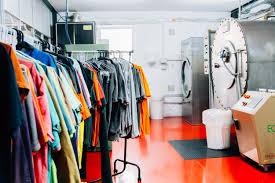
Whether it is the deep indigo colour of your favourite jeans or the crimson of the summer dress, colour plays a fundamental role in the clothing we wear. For many centuries, the process of applying numerous colours to the fabric has been environmentally taxing and labour-intensive. Many textile dyeing methods consume large amounts of chemicals and water, thus contributing to the environmental footprint of the fashion industry. In all this, a major shift is underway through the process of changing the point at which the entire garment is dyed. It moves through the process from the very fabric stage to the finished garment.
All the more, the industry has been unlocking the different levels of flexibility, creativity, and sustainability. This evolution, referred to as garment dyeing, is at the very heart of the colourful revolution.
Garment and Textile Dyeing: The fundamental shift
If you want to understand the impact of garment and textile dyeing, it is essential to distinguish them from the conventional method.
- Textile or piece dyeing
It is a traditional approach where the entire fabric roll is dyed before being sewn or cut. This method is efficient for mass production and ensures a consistent colour across large quantities of material. It requires many manufacturers to make the colour decisions in advance, leading to a significant risk. If the colour trend fails or the demand shifts, the entire inventory of pre-dyed fabrics can be left unsold, thereby resulting in massive waste.
- Garment dyeing
It is one form of modern approach where the garment is constructed from the undyed fabric before it is completely immersed in the dye bath. This process offers unparalleled flexibility, with brands waiting to see if the colours are trending. Garment dyeing minimises the waste from the unsold inventory and reduces any need for the water-intensive and large-scale dyeing. Garment dyeing creates an aesthetic look and gives the item a vintage and soft feel, with the numerous colour variations on the different seams and stitching becoming impossible to achieve with the piece dyeing.
Beyond Dye Bath with the dyeing techniques
The move towards sustainable dyeing practices can go beyond the process itself. A lot has to do with rethinking the chemicals and dyes used. The debate between natural dyes and synthetic dyes is more relevant than ever.
- Natural dyes
Derived from minerals, insects, and plants, natural colourants are gaining traction. Offering an earthy and beautiful palette and being biodegradable, natural dyes are expensive, have low colourfastness, and require a large quantity of water and land to cultivate the many source materials.
- Synthetic dyes
Synthetic dyes, since their inception in the mid-19th century, have dominated the industry owing to their colour range and exceptional colourfastness. They are derived from petroleum and contain toxic chemicals that lead to significant water pollution.
Furthermore, you would like to address the different issues with some of the groundbreaking techniques in eco-friendly dyeing that are emerging. These include—
- Bio-dyeing
Many scientists are developing different methods through the use of genetically engineered microbes. This includes bacteria that produce many pigments. The entire process requires minimal energy and water, and also creates a sustainable and closed-loop system that creates brilliant colours.
- Waterless dyeing
Innovations like CO2 dyeing make use of the pressurized carbon dioxide as the right solvent instead of water. This kind of technology allows numerous dyes to penetrate the different fibres without a single water drop. It eliminates the need for a rinse cycle and prevents the discharge of polluted wastewater.
Laser technology and smart colourants are the colour future
Several innovations in textile colouration are not just limited to the eco-friendly practices. They are moving into the realm of high-tech design and functionality. Some of the points are—
- Laser technology is used in garment finishing
The ultimate game changer is lasers in denim finishing. These lasers create distressed and faded looks on numerous jeans that involve chemical washes or sandblasting. Laser technology etches the same patterns onto the denim with extreme precision. It uses a computer-controlled light beam that not only saves water but also eliminates harmful chemicals. This way, it opens up the world of design possibilities.
- Smart colourants used in textiles
You can imagine a t-shirt changing colour based on the weather or even a running jacket. It becomes vibrant due to the rise in body temperature. Smart colourants are one form of materials that react to environmental stimuli. Thermochromic pigments can change colour with temperature, while photochromic pigments can react to UV light. The textiles are a futuristic concept, but are integrated into fashion and sportswear. They offer practical and aesthetic functions.
Conclusion
In a nutshell, the textile dyeing industry has undergone a profound transformation over the past couple of years. The entire shift to garment dyeing is coupled with an increase in eco-friendly dyeing techniques and technological leaps like laser technology and smart colourants. They are steering the industry towards a creative and sustainable future. Through reducing water consumption, lowering waste, and minimising the use, the innovations are improving production processes. They are changing the way you can think about the clothes and colours you wear. The future of fashion is efficient and brighter, and most importantly, more responsible.
Like others, you would like to know more about the uses of textile dyeing and garment dyeing, and the consumer goods they produce in fast-changing times. If so, you can visit our webpage www.ibphub.com or call us now! If you want to grow your network and avail leads, you can List Your Business with us!
Post Your Ad Here
Comments